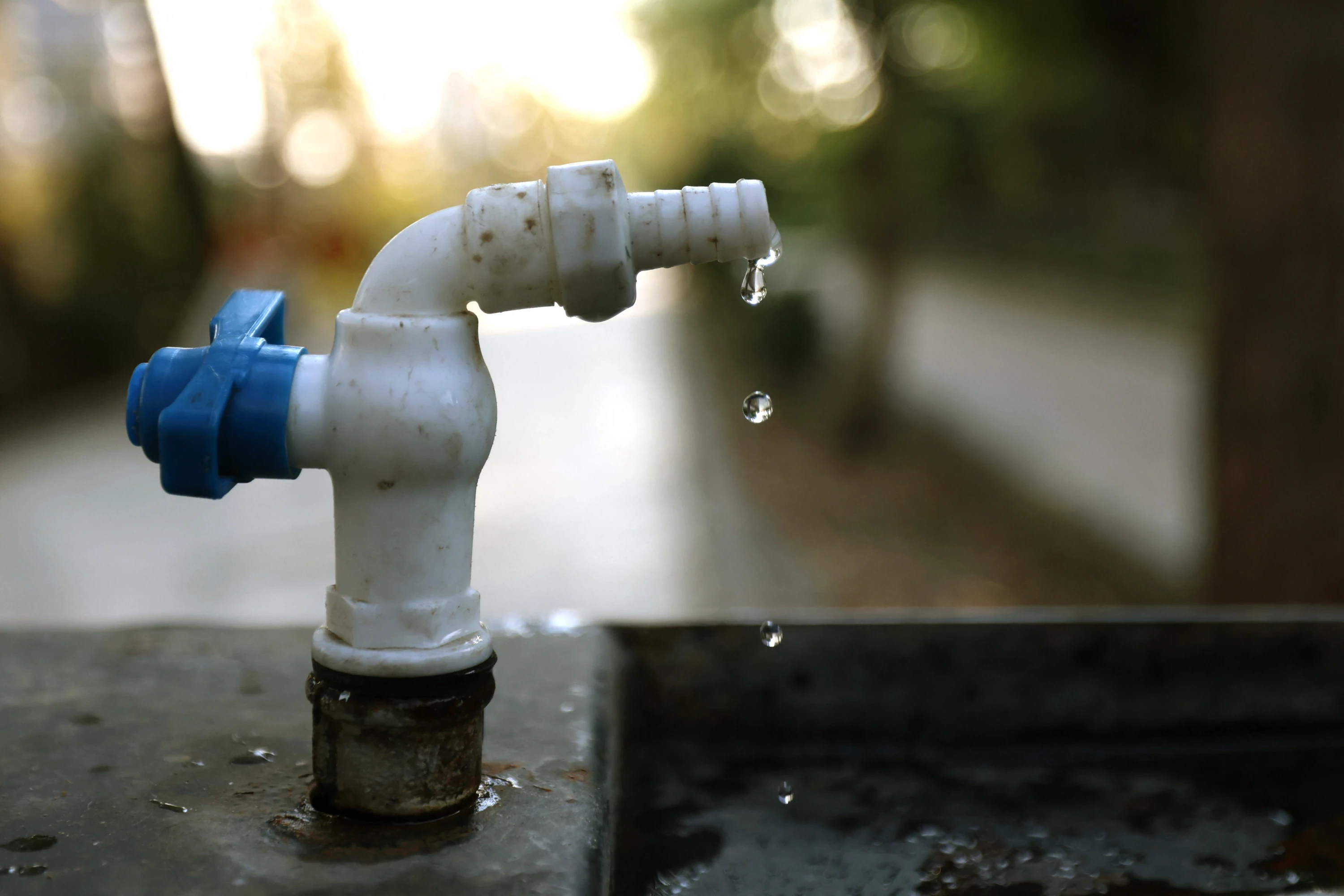
ERBIL, Kurdistan Region of Iraq - Iran’s Energy Minister Abbas Aliabadi said on Wednesday that Tehran plans to import water from neighboring countries, while also utilizing the water flow into the sea amid intensified water scarcity in recent months.
Iran has faced severe water shortages in recent years, amid a broader regional water crisis, which has intensified over the past few months.
“Water imports are on our agenda both virtually and physically,” Aliabadi was quoted as saying by Iran’s state-run broadcaster (IRIB) on Wednesday, elaborating that Tehran eyes “importing water-intensive products and preventing their export,” while focusing on “efforts to purchase water from neighboring countries.”
In November, Iranian President Masoud Pezeshkian warned that if no rain falls in Tehran by next month, the government will have to ration water, and that if the drought continues, "we have to evacuate Tehran."
Pezeshkian has suggested several times previously that the capital should be changed to another city if the issues are not solved.
Aliabadi noted that the government is currently working to “secure Iran’s legal share of water from other countries,” and emphasized that it aims to make use of water that is wasted and flows into the sea.
“If a country is willing to sell water, we will buy it,” he said, adding that negotiations with neighbors are underway to secure surplus water, but currently the entire region is facing drought.
Iran’s water shortages come amid a regionwide scarcity of water, that has also forced neighboring Iraq and Turkey to the negotiating table, with Baghdad and Ankara officials having held several meetings in the last few months to address the water crisis.
Tehran announced in early November that water will be periodically cut in the city to reduce consumption due to shortages.
State media reported in August that 56 percent of Iran’s dam reservoirs were empty, with inflows down 42 percent, while Lake Urmia in West Azerbaijan province faces unprecedented water loss and could dry up this year.
Iran’s struggles with water scarcity have also impacted water levels in the Kurdistan Region’s bodies of water near the Iranian border, with Halabja’s Sirwan river showing diminished water levels, partly owing to increased water retention by Tehran along the upstream dams, as the regional drought continues.
 Facebook
 LinkedIn
 Telegram
 X
X