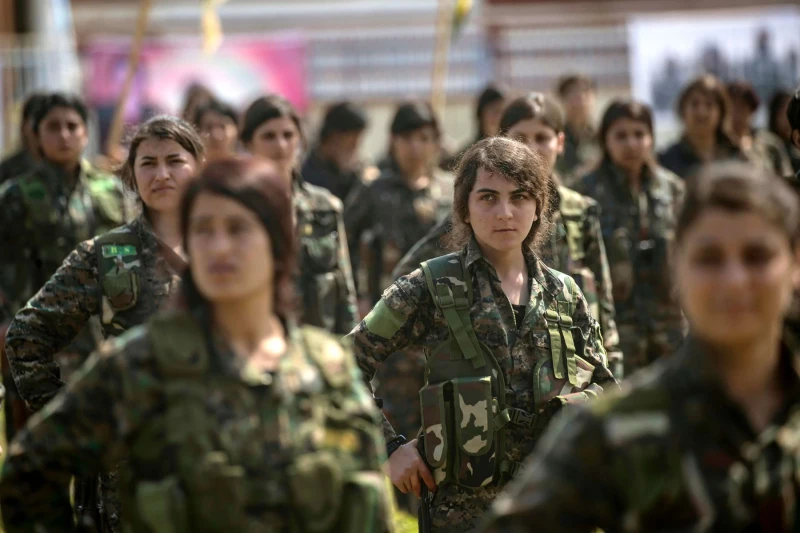
ERBIL, Kurdistan Region of Iraq - The Kurdish-led administration in northeast Syria (Rojava) on Saturday announced a ban on all public gatherings and events on December 7 and 8, saying terrorist cells are trying to use the anniversary of the former regime’s fall to create unrest and launch attacks.
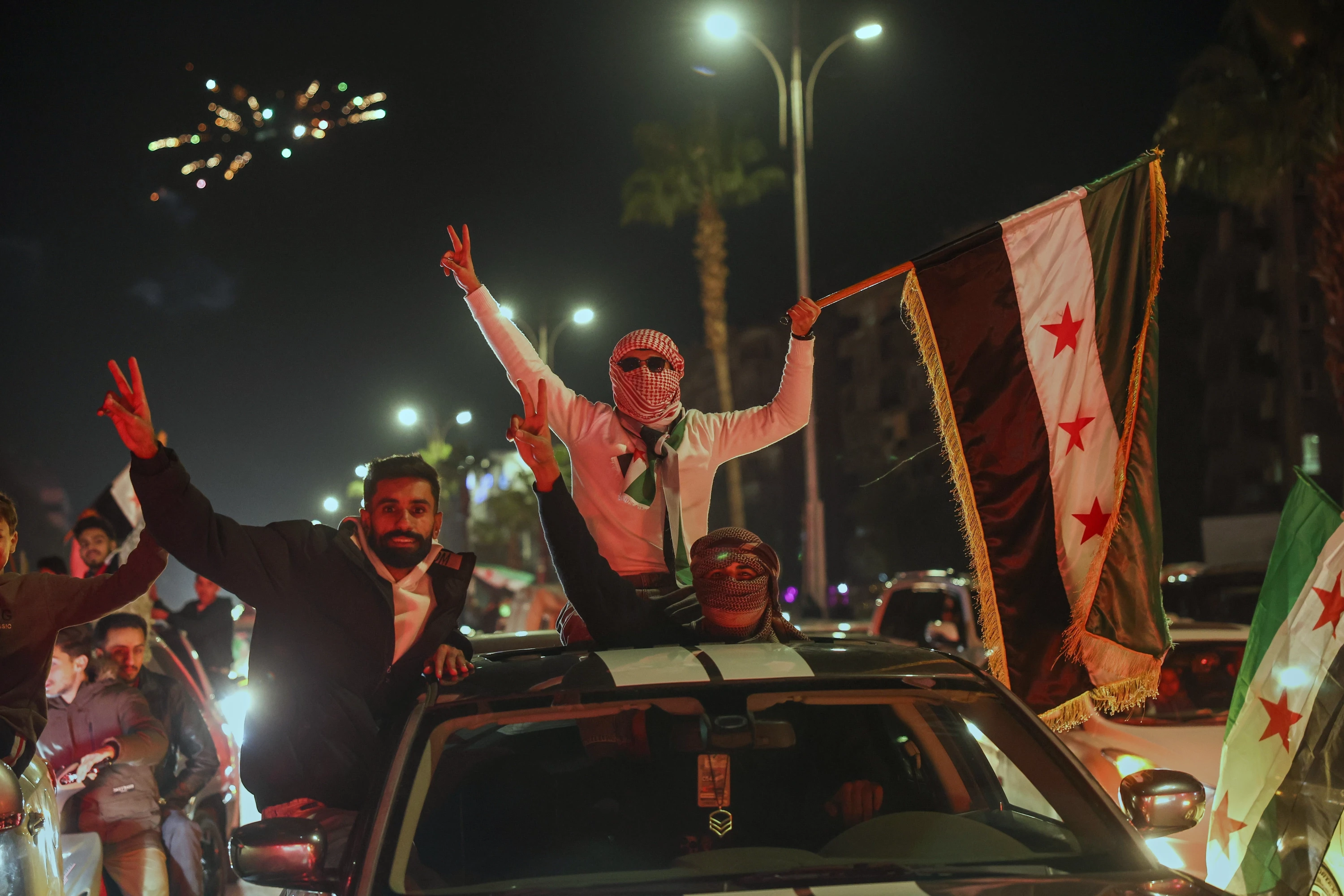
Monday marks the first anniversary of the collapse of Bashar al-Assad’s regime, after rebel groups, spearheaded by Hay’at Tahrir al-Sham (HTS), seized control of the capital Damascus following a 12-day blitz offensive.
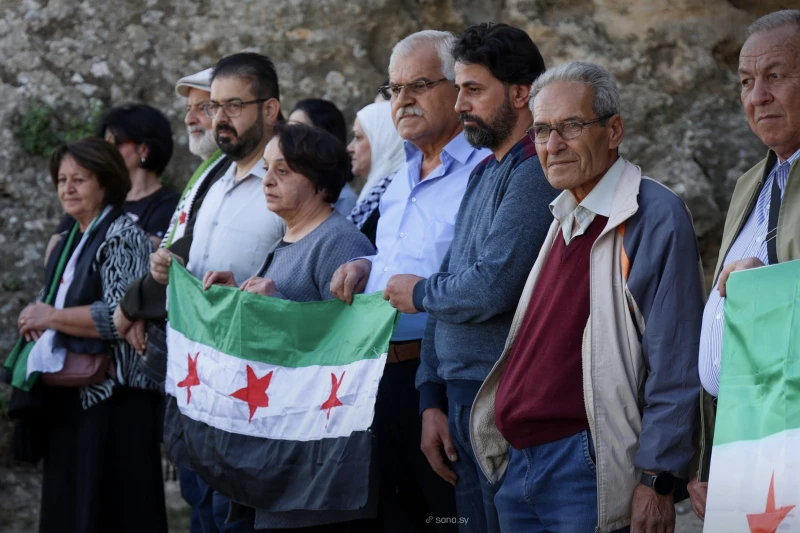
Rojava’s Autonomous Administration of North and East Syria (AANES) on Saturday congratulated the people of the country in a statement marking the anniversary, expressing hope that Syria will continue moving toward prosperity and a democratic, pluralistic, and decentralized system in which citizens live freely and with dignity.
The administration said holding any public or social gatherings or events is prohibited in all areas under its control on December 7 and 8, and also prohibited using weapons and fireworks, citing “increased activity of terrorist cells that are trying to create discord and strike at the components of society, and carry out terrorist operations exploiting the anniversary of the fall of the defunct regime.”
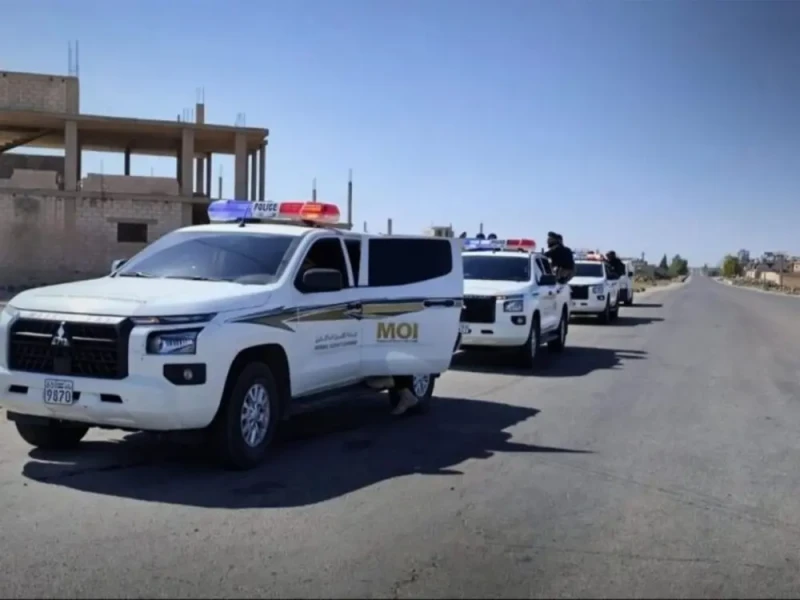
It further warned that violators will face legal consequences, and directed security forces to take necessary measures to implement the circular.
Syria on Friday began commemorations for the toppling of Bashar al-Assad in December 2024 with the launch of nationwide “Path of Liberation” events, state media reported. The activities included a paragliding show, a bicycle convoy traveling from Idlib to Damascus, and a civil defense parade in the city of Hama.
According to state outlets, the Syrian government has also prepared larger celebrations for December 8, planning rallies, cultural events, and public displays in several cities.
In the wake of Assad’s fall, HTS and affiliated groups dissolved and its membership took up the reins of governance in Syria, forming a transitional government led by Sharaa as the country’s interim president.
Sharaa’s government has been widely criticized for its handling of anti-government movements in Druze and Alawite majority parts of the country, and its security forces have routinely clashed with Kurdish forces in the country’s northeast. State-affiliated armed groups are accused of carrying out dozens of violent campaigns against anti-government groups, killing hundreds of civilians.
 Facebook
 LinkedIn
 Telegram
 X
X