ERBIL, Kurdistan Region of Iraq – The Kurdish-led northeast Syria (Rojava) administration on Sunday said that while the fall of Bashar al-Assad was welcomed, the Syrian government has failed to meet the demands of “all segments” of the country, on the eve of the anniversary of Assad’s ouster.
A coalition of rebel forces led by the jihadist Hay’at Tahrir al-Sham (HTS) marched into Damascus on December 8, 2024, and overthrew Syria’s longtime ruler Assad, sending him fleeing to Russia after lightning rebel advances from the north.
“On this historic occasion, the Autonomous Administration extends its warmest congratulations to the families of the martyrs who gave their lives for the freedom of Syria,” the Democratic Autonomous Administration of North and East Syria (DAANES) said in a statement.
However, the administration asserted that the steps taken by the new Syrian government since its rise to power “have failed to reflect the core demands, realities, and aspirations of the Syrian people.”
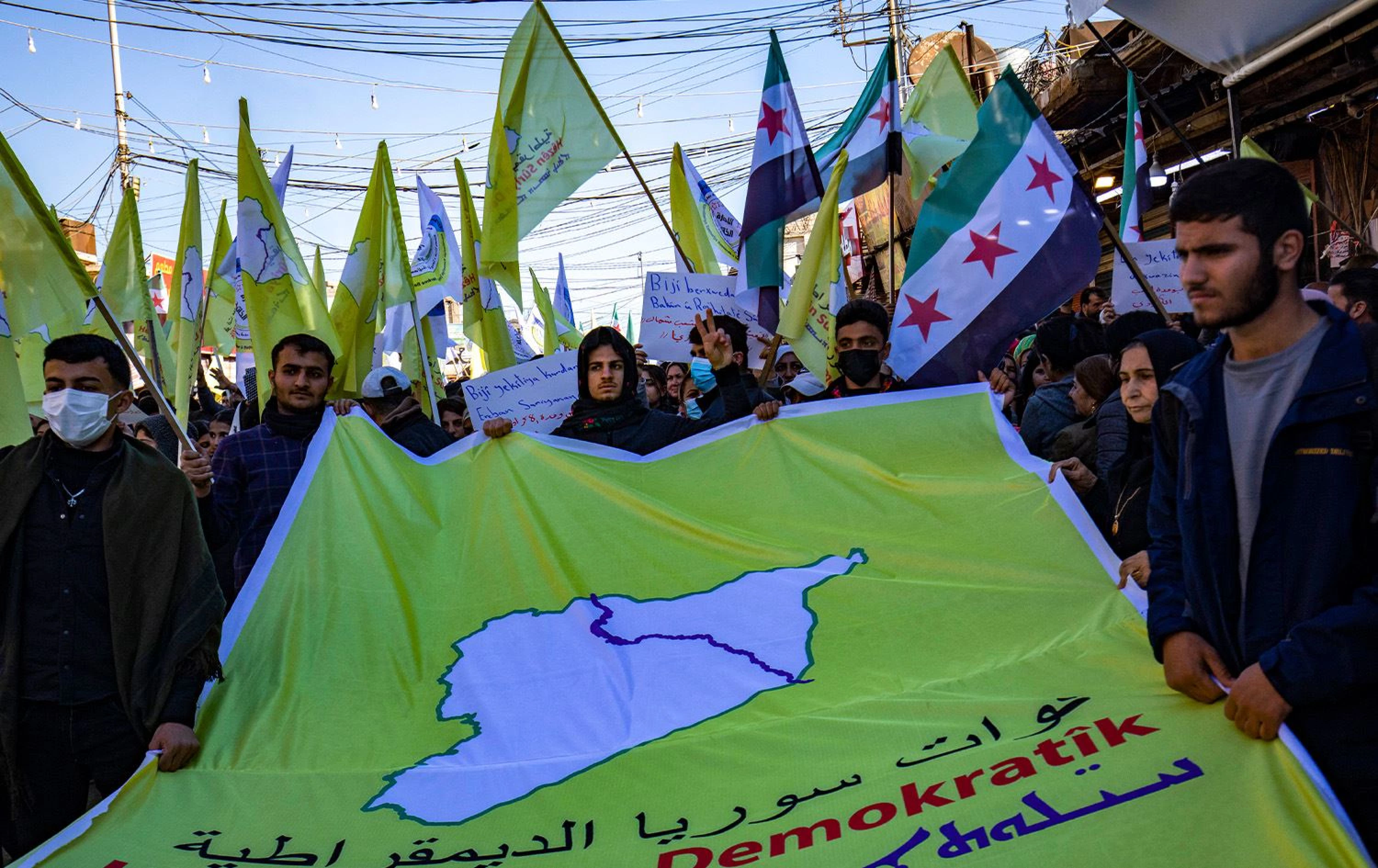
Rojava, which has long demanded a decentralized system to be implemented in Syria, cited a lack of representation “from all segments of Syrian society” in the formation of the new government “and the recent parliamentary elections.”
Parliamentary elections in Syria were postponed in several Druze and Kurdish populated provinces, citing security concerns, leading to widespread backlash from the minorities. Christian and Alawite communities also complained that Sunni Arab candidates were elected in their areas despite almost no Sunni Arab population.
In addition, massacres perpetuated against the Alawites in the Syrian coast and the Druze in Suwayda, also highlighted the shortcomings of Damascus, which “led to a dangerous societal division that has fueled hate speech, incitement, and extremism,” the statement added.
“These measures are strikingly similar to the practices of the Baath regime itself over the past half-century, characterized by the exclusion of national forces, a lack of transparency, unilateral decision-making, and disregard for the will of the people,” the Rojava administration stressed.
Syrian forces have been routinely accused of discriminatory targeting of the country’s minorities, with state-affiliated armed factions carrying out dozens of violent campaigns against anti-government groups, killing hundreds of civilians.
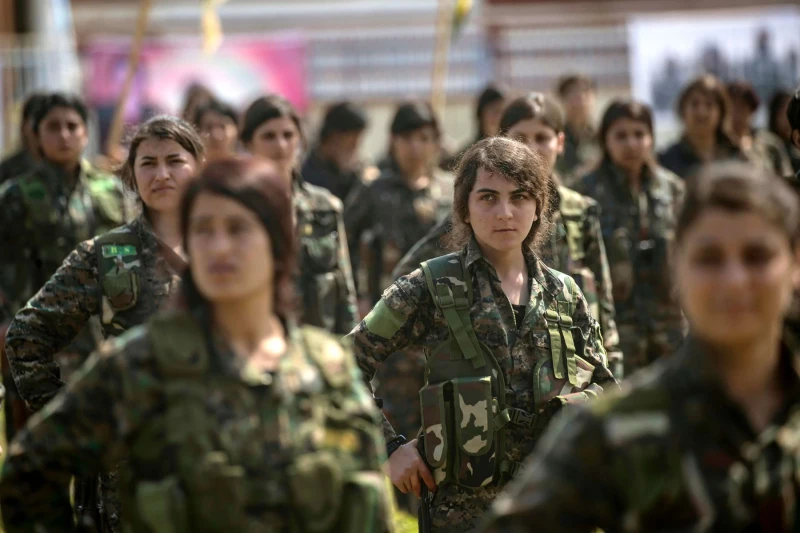
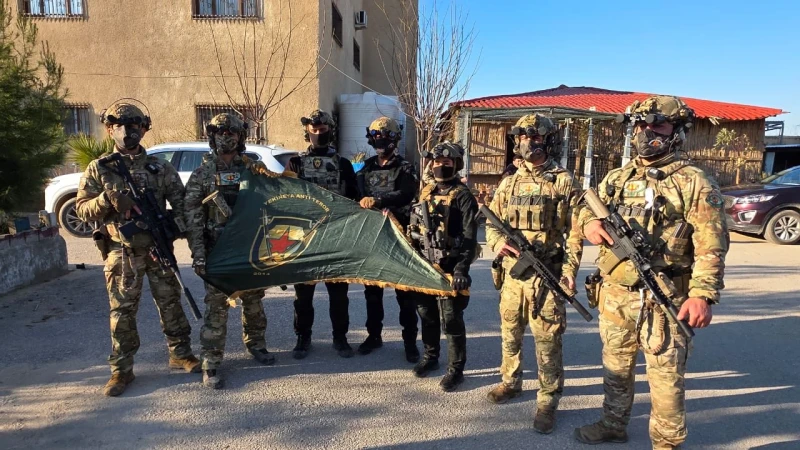
The Kurdish-led Syrian Democratic Forces (SDF), the de facto army of Rojava, is the US-led global anti-ISIS coalition’s main partner on the ground in Syria and the de facto army in Rojava. It fought the lion's share of the battle against ISIS, enduring severe losses.
Syrian President Ahmed al-Sharaa and SDF chief Mazloum Abdi signed an agreement on March 10 to officially integrate the Kurdish-led forces and all other institutions in northeast Syria into the Syrian state institutions.
But nearly eight months later, disagreements still run deep between Rojava and Damascus about the model of governance in Syria, with Sharaa aiming to consolidate power and maintain full control over all Syrian territories while the Kurds advocate for a federal state where they hold a degree of self-governance.
 Facebook
 LinkedIn
 Telegram
 X
X