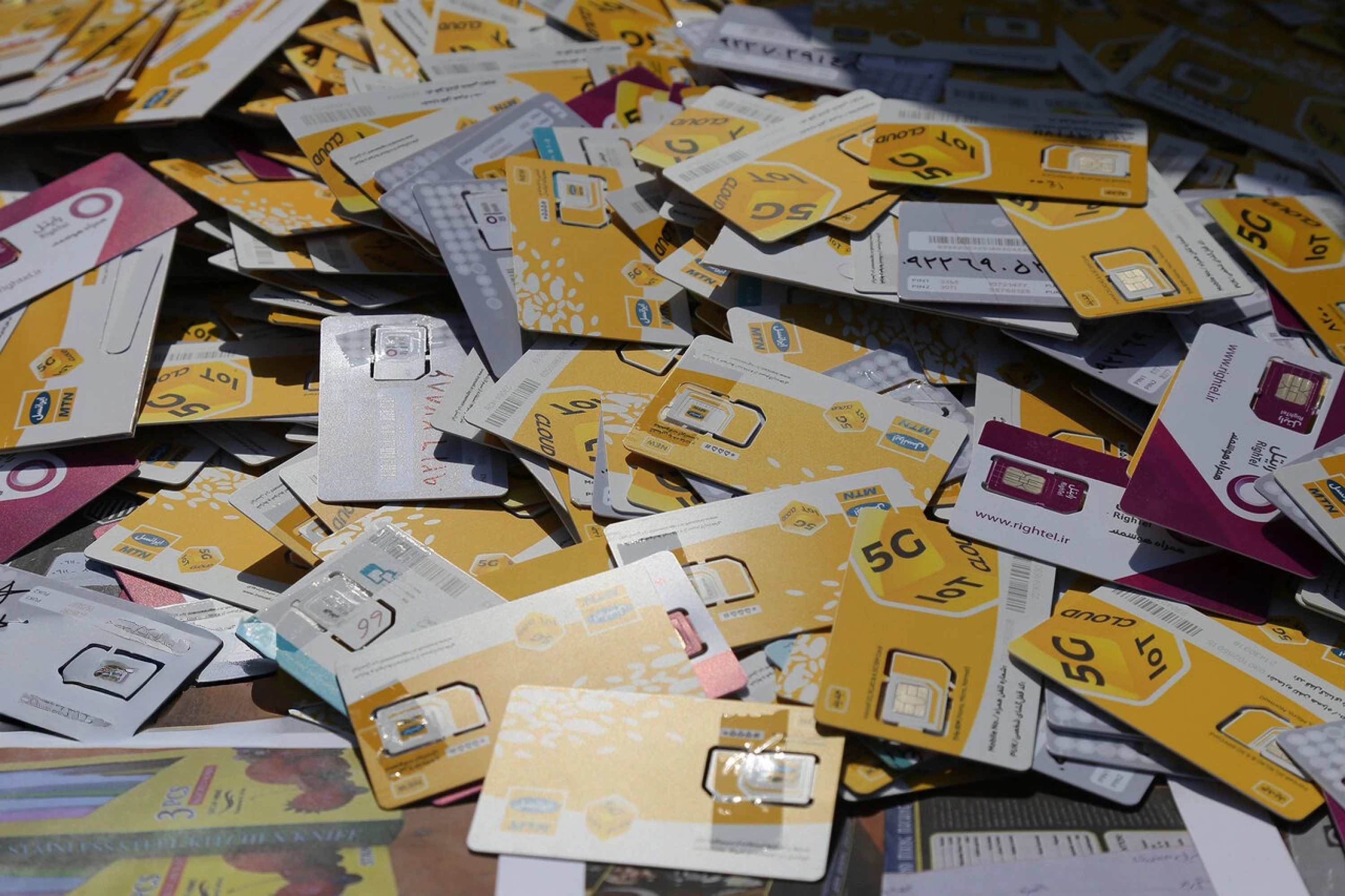
ERBIL, Kurdistan Region of Iraq - The Iranian presidency announced on Thursday that the process of banning so-called white SIM cards, which are not subject to the country’s social media restrictions and have been show to used by state-affiliated figures and officials, is “underway” for “everyone” who uses the lines.
In November, the social media platform X flagged the locations of account users, revealing that some Iranian accounts belonging to government figures were active from inside the country. The update showed that these accounts may be accessing banned platforms in Iran using so-called “white SIM cards”—privileged mobile lines exempt from state restrictions.
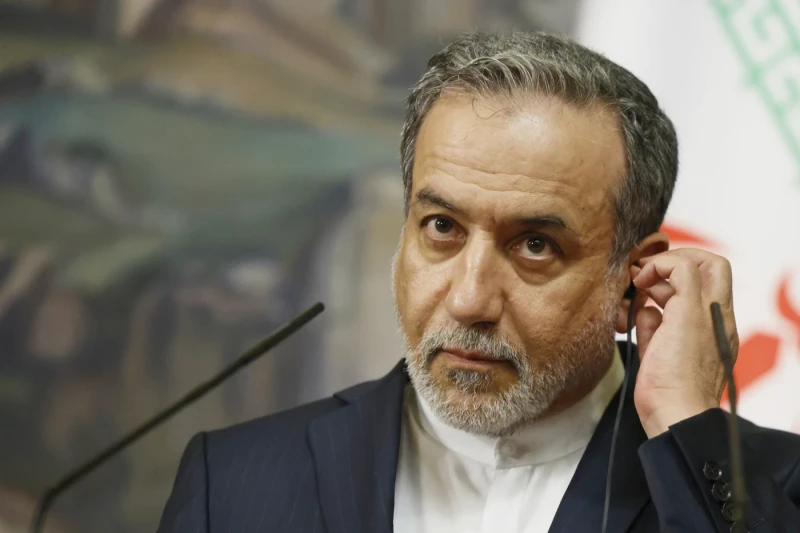
On Tuesday, Iran’s information and communications technology minister ordered an “urgent” investigation into the matter, after Iranian President Masoud Pezeshkian said Sunday, “I ordered the white SIM cards to be blackened.”
Mohsen Haji Mirzaei, head of the Iranian presidential office, said on Thursday that for “everyone who uses the white line, the implementation process is underway,” adding that the ban applies to “everyone who has a white line,” when asked if government officials’ lines would also be affected.
The news has drawn widespread national criticism, as the majority of internet users in the Islamic Republic can only access state-restricted international platforms by paying monthly fees to use virtual private networks (VPNs).
In Iran, access to international online services is restricted under the User Protection Bill (Tarhe-Sianat), which was passed by parliament in 2021. The bill was initially approved but later revoked due to unclear procedural issues, though the majority of social media platforms remain banned.
The Islamic Republic widely uses internet crackdowns and restrictions on international online platforms, especially during periods of heightened tensions and protests, to control the flow of news.
During the nationwide Jin Jiyan Azadi (‘Women Life Freedom) protests in September 2022, which erupted after the death of Zhina (Mahsa) Amini, a young Kurdish woman from Saqqez in western Iran (Rojhelat), in police custody, the Iranian government tightened its crackdown on the Internet.
This followed a similar week-long internet shutdown during the 2019 protests, infamously known as “Bloody November.”
 Facebook
 LinkedIn
 Telegram
 X
X