ERBIL, Kurdistan Region of Iraq - The European Union on Wednesday announced that it would increase funding for a program operated by the Organisation for the Prohibition of Chemical Weapons (OPCW) to dismantle chemical weapons in Syria that were developed during the regime of former leader Bashar al-Assad.
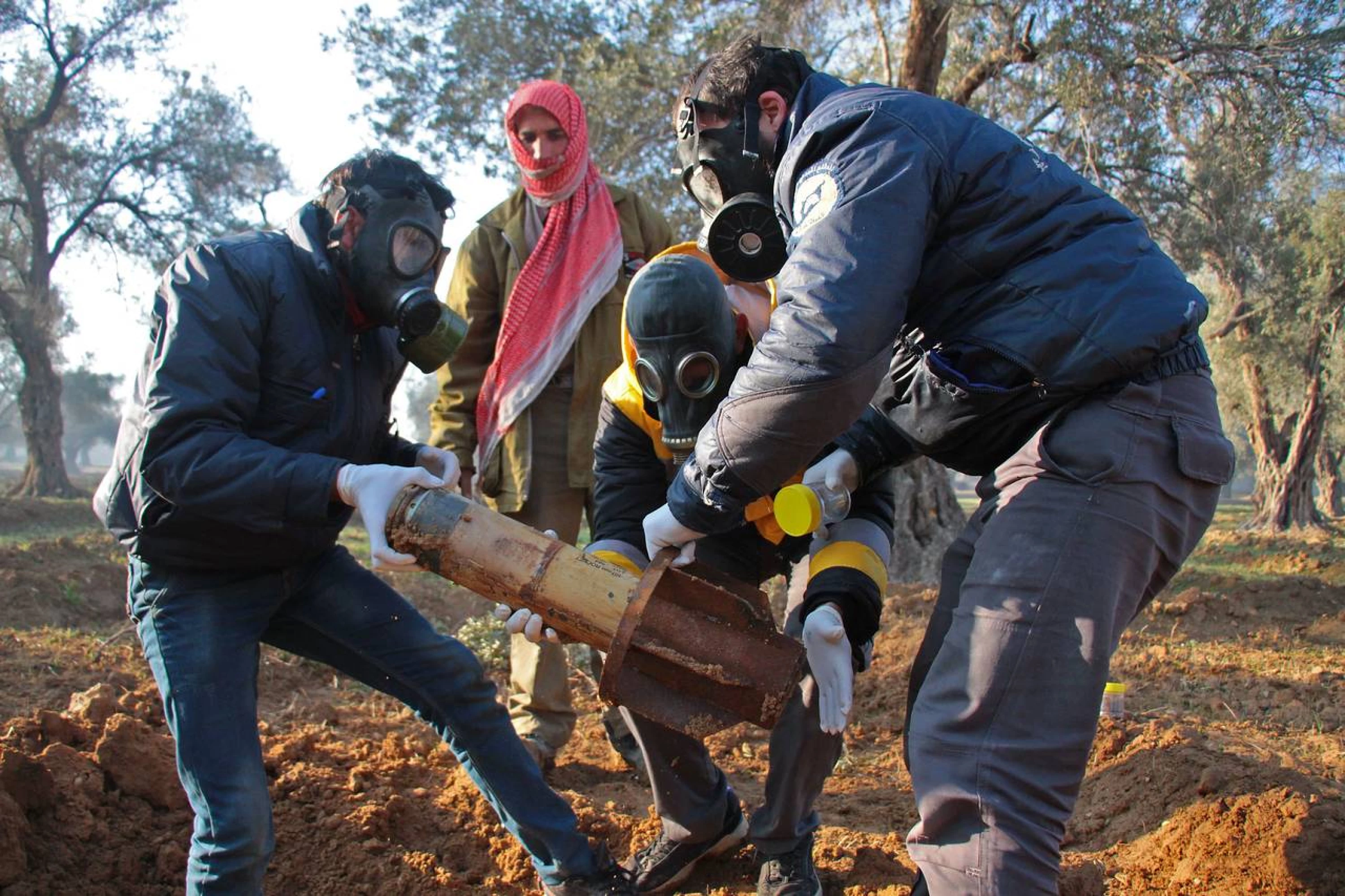
EU Special Envoy for Non-Proliferation and Disarmament Stephan Klement announced in a post on X that Brussels would offer an additional €4.45 million to the organization to "dismantle Assad-era secret [chemical weapons] programs in Syria," as well as expose the usage of chemical weapons in the war in Ukraine.
The proliferation of chemical weapons by the Assad regime before his ouster in December 2024 is considered a serious threat by the international community, both through the use of such weapons by government forces against rebels during the Syrian Civil War and through the risk of them falling into the hands of jihadist groups such as the Islamic State (ISIS).
"Syria acceded to the Chemical Weapons Convention (CWC) in 2013 under a stringent verification regime. While Syria submitted an initial declaration of its chemical weapons (CW) programme, the former Syrian government did not declare all its CW programme and attempted – unsuccessfully – to mislead the international community about the overall scope and scale of the Syrian chemical weapons programme," the OPCW website asserts.
"The fall of the Assad government in December 2024 created an opportunity to uncover the full scope of Syria’s chemical weapons programme and to eliminate it in line with the CWC."
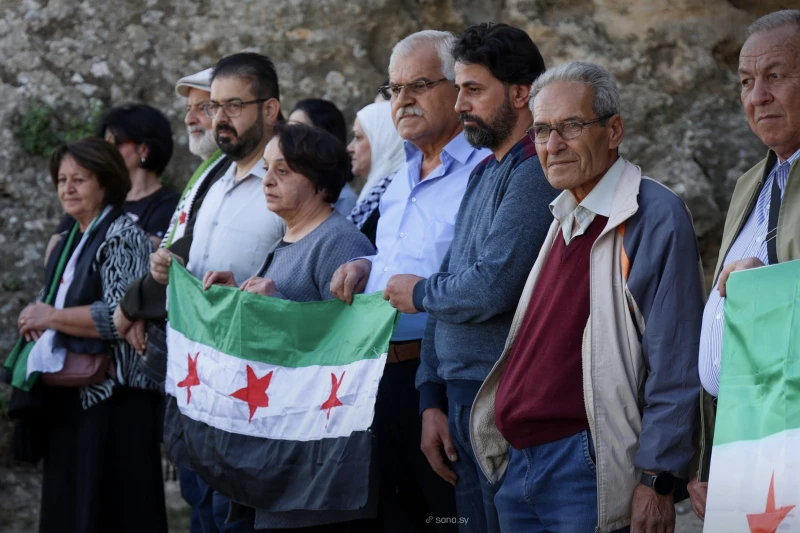
The new Syrian authorities, led by President Ahmed al-Sharaa, have engaged with the OPCW during numerous visits by Fernando Arias to Damascus and by reopening a liaison office at the international organization's headquarters in The Hague in November.
According to an OPCW progress report dated November 24, "the Secretariat has verified the destruction of all 27 chemical weapons production facilities (CWPFs) declared by the Syrian Arab Republic," though noting that "information made available to the Secretariat indicates that over 100 additional locations may have been involved in activities related to chemical weapons."
The Assad regime illegally used chemical weapons against anti-government forces on numerous occasions in the 2010s, with the most notorious incident occurring in Ghouta in 2013, during which state forces deployed sarin gas against rebel-held positions near Damascus. Estimates of the incident's death toll vary, with the US asserting that over 1,400 people were killed.
 Facebook
 LinkedIn
 Telegram
 X
X