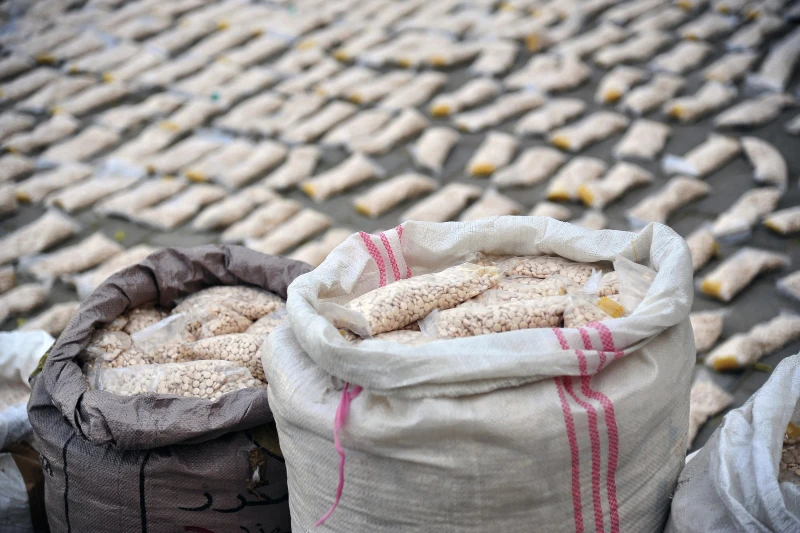
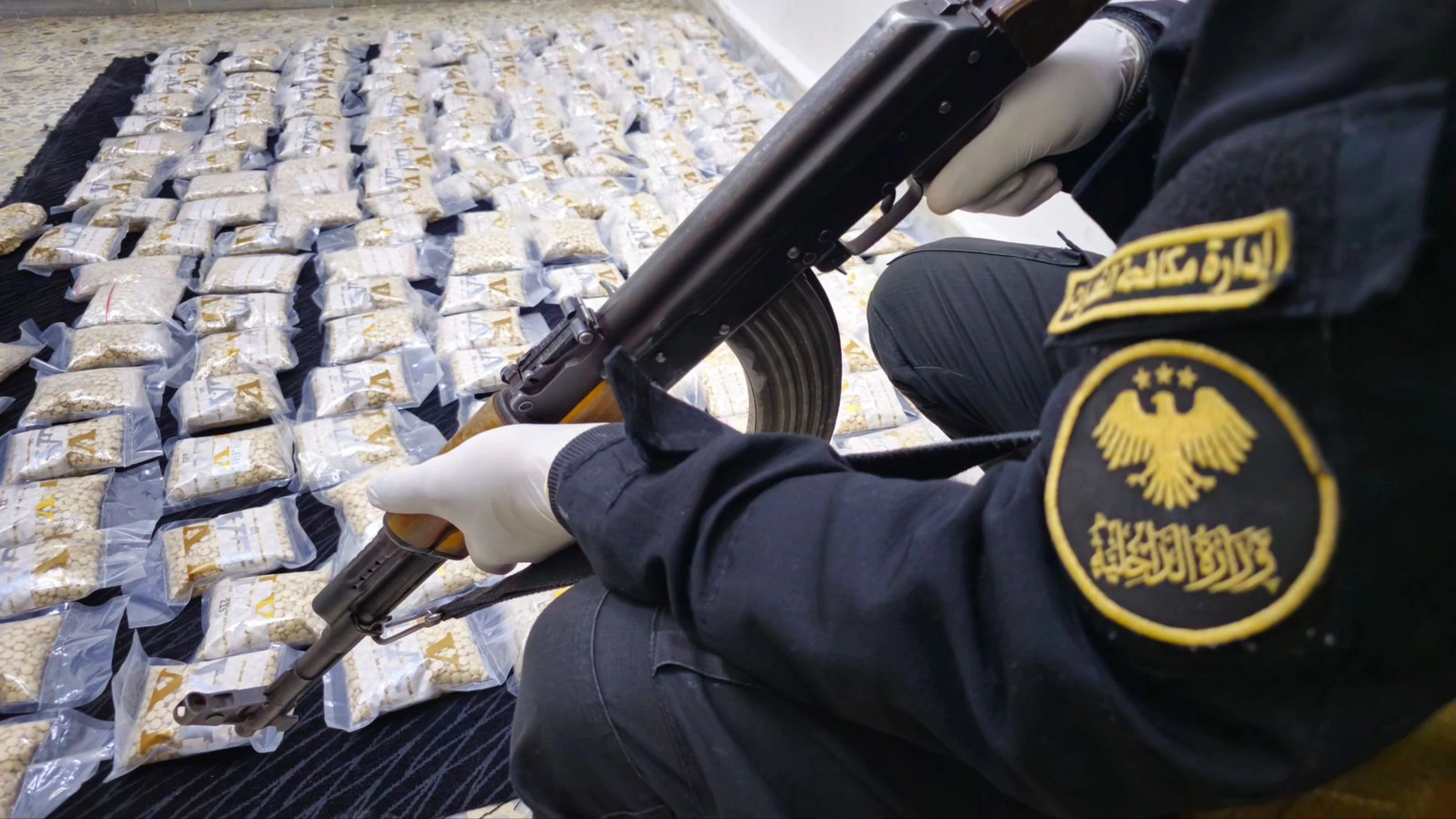
ERBIL, Kurdistan Region of Iraq – Captagon production and sales have decreased in Syria since former President Bashar al-Assad was toppled in December 2024, the UN reported Monday, as the region increasingly cooperates to dismantle smuggling operations.
Captagon, the brand name for the amphetamine-type psychostimulant fenethylline, was mainly produced and distributed in Syria during the former Bashar al-Assad regime. It is mostly used in the Gulf countries, with Saudi Arabia being the main consumer.
“While the drug market expanded in recent years, it divided the region, but the need for action is now bringing it together,” Bo Mathiasen, UN Office of Drugs and Crime (UNODC) Director for Operations said, adding that "countries are collaborating, sharing intelligence and running joint operations, leading to record seizures in 2025.”
Before Assad was toppled by a group of rebels spearheaded by Hay’at Tahrir al-Sham (HTS), led by now President Ahmed al-Sharaa in December 2024, Captagon production could have been in the millions of tablets, the UN said, stressing that it could sustain the supply in the region for a couple of years if not intercepted.
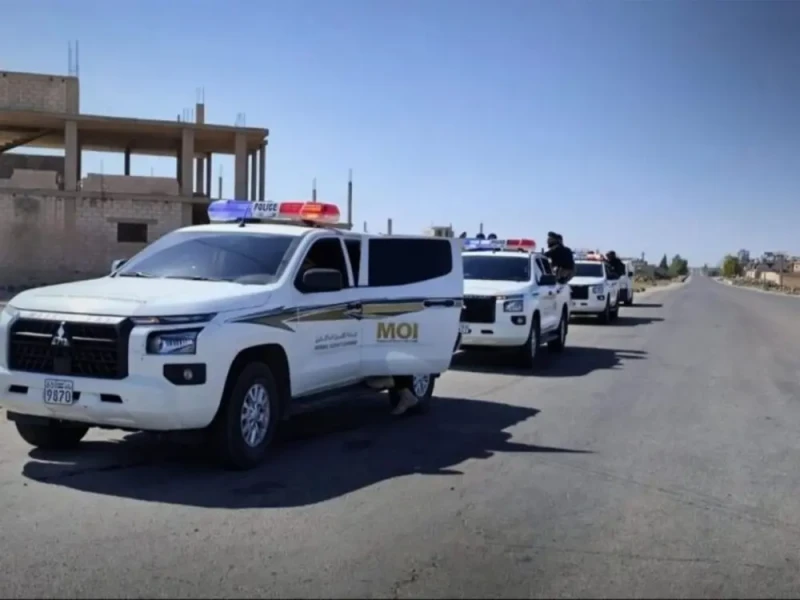
The new Syrian authorities frequently intercept Captagon shipments, while regional countries have renewed joint efforts to curb smuggling.
On Monday, the interior ministry announced the seizure of 200,000 pills from Lebanon bound for Iraq, an operation carried out with support from Iraqi intelligence.
“Interdiction operations have surged in 2025, with several of the year’s largest seizures achieved through joint efforts,” the UN report read.
The new authorities in Damascus have also come under pressure from the international community to crack down on the Captagon trade. Gulf countries are known for being the main consumers of the drug.
The UN said its research showed signs of shortages of Captagon in markets.
“While data on seizures is still being gathered and submitted by countries, since December 2024, UNODC could verify data of a minimum of 177 million tablets (equivalent to 30 tons) that have been intercepted across the Arab region,” it noted.
Traffickers also continue exploring new routes and use a set of new diversion and repacking points, including in Western and Central Europe and North Africa, it added.
The UN also warned that the disruption of Captagon may shift traffickers and users towards other synthetic drugs like methamphetamine, calling for “a comprehensive approach including drug prevention, treatment and recovery systems based on scientific evidence to be strengthened in the region.”
 Facebook
 LinkedIn
 Telegram
 X
X