ERBIL, Kurdistan Region of Iraq – The Kurdish-led Syrian Democratic Forces (SDF) on Tuesday said it has gathered “conclusive evidence” that Syrian government-affiliated factions initiated the deadly attacks on Aleppo’s Kurdish-majority neighborhoods, blasting Damascus for attempts to “fabricate misleading narratives.”
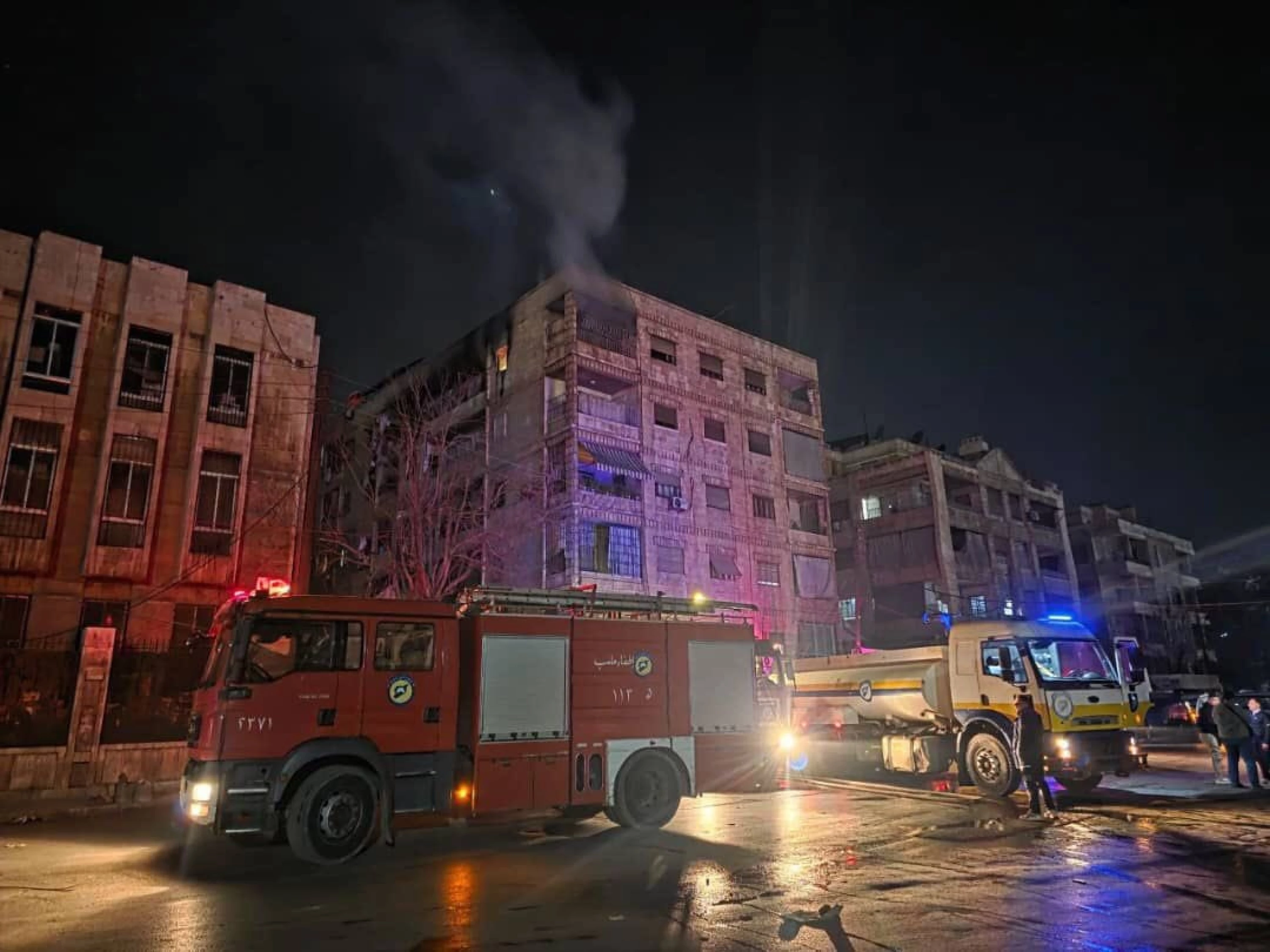
Clashes erupted in Aleppo’s Kurdish-majority Sheikh Maqsoud and Ashrafiyeh neighborhoods on Monday, with Damascus and Kurdish forces trading blame for the altercation. The fighting left a woman dead and injured 19 others, according to the SDF, while Syrian state media said that four were killed.
The confrontations build on political tensions between Damascus and SDF over failures to complete an integration agreement that was signed on March 10 between the two sides' leaderships. Per the agreement, the Kurdish-led force is to integrate into Syria’s state institutions.
“Verified field facts, leaving no place for doubt, confirm that factions affiliated with the Damascus government carried out the shelling of residential buildings in the Al-Jamilia neighborhood of Aleppo, based on the precise match between the target location and the direction of fire,” said Farhad Shami, the SDF’s head of media, on X.
“The angle and direction of the targeted building are completely opposite to the direction of Sheikh Maqsoud and instead face the University and al-Rashideen areas, which are under Damascus government control,” he explained.
According to Shami, the SDF has gathered video evidence that the sheling came from close range, ruling out other areas as the source of fire and indicating that the attacks originated from areas under Syrian government control.
“These consistent field evidences directly implicate the Damascus government’s factions and expose their blatant attempts to fabricate misleading narratives and shift blame onto our forces in order to evade responsibility,” Shami asserted.
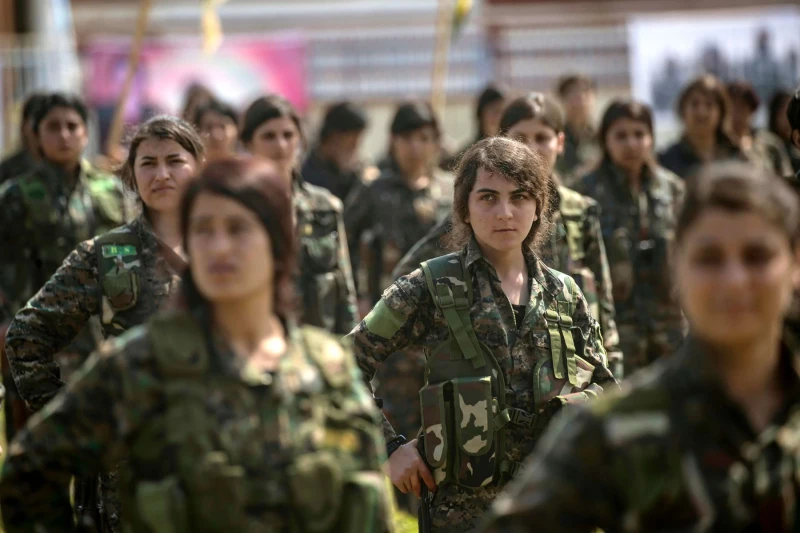
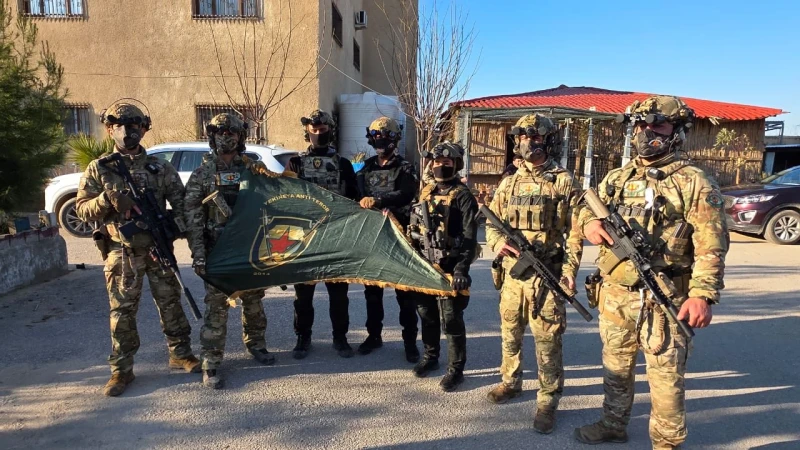
The SDF is the de facto army in northeast Syria (Rojava) and the US-led anti-Islamic State (ISIS) coalition’s main partner on the ground.
Despite coming to an "immediate ceasefire" agreement in early October with high-level delegations from both sides, clashes have continued between the two forces.
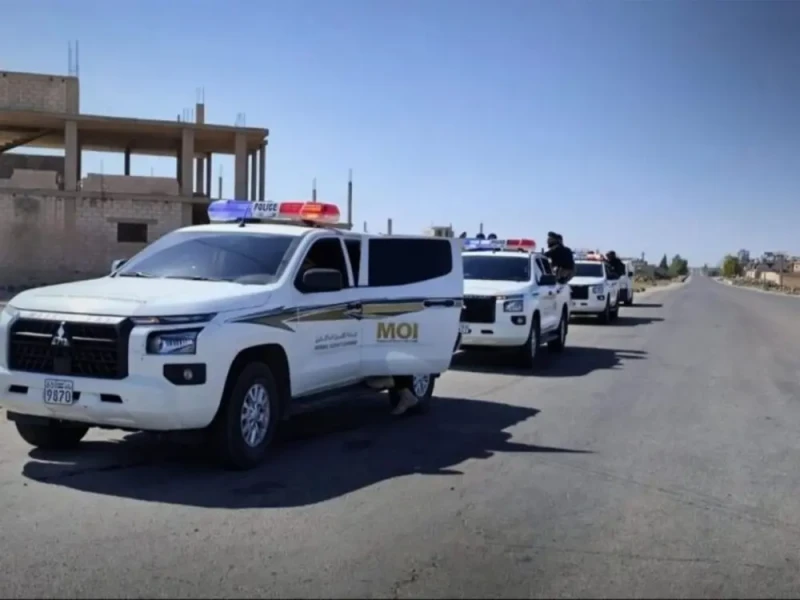
Sheikh Maqsoud and Ashrafieh are under the control of local forces affiliated with Rojava, while government forces control the entrances and exits.
On Tuesday, the local council for the two Kurdish-majority neighborhoods also blamed the Syrian government and “the governor of Aleppo in particular” for the altercations, calling on the Damascus government “to hold accountable those rogue factions operating under the umbrella of the defense ministry.”
Salih Muslim, co-chair of Rojava’s ruling Democratic Union Party (PYD), accused Turkey of being behind the clashes, which followed a visit by a high-level Turkish delegation to Damascus, where the March 10 agreement was discussed.
Muslim “asserted that the Turkish occupation aims, through this escalation, to ignite the Syrian arena and undermine the March 10 agreement,” according to a statement from his party.
On March 10, Syrian President Ahmed al-Sharaa and SDF chief Mazloum Abdi signed an agreement that would see the Kurdish-led group and its institutions in Rojava integrate with the Syrian state.
Syrian Foreign Minister Asaad al-Shaibani on Monday held the Kurdish-led SDF accountable for delays in implementing the agreement in a joint presser with Turkish Foreign Minister Hakan Fidan, warning of negative consequences for the region.
Turkey is the main backer of the new Syrian authorities, who have been repeatedly criticized for failing to protect minorities since taking power.
 Facebook
 LinkedIn
 Telegram
 X
X