ERBIL, Kurdistan Region of Iraq – Turkey’s pro-Kurdish Equality and Democracy Party (DEM Party) on Thursday urged the Syrian government and Kurdish-led forces in northeastern Syria to implement the March 10 agreement, stressing that democracy in Syria could pave the way for democracy in Turkey, amid clashes between Damascus and Rojava in recent days.
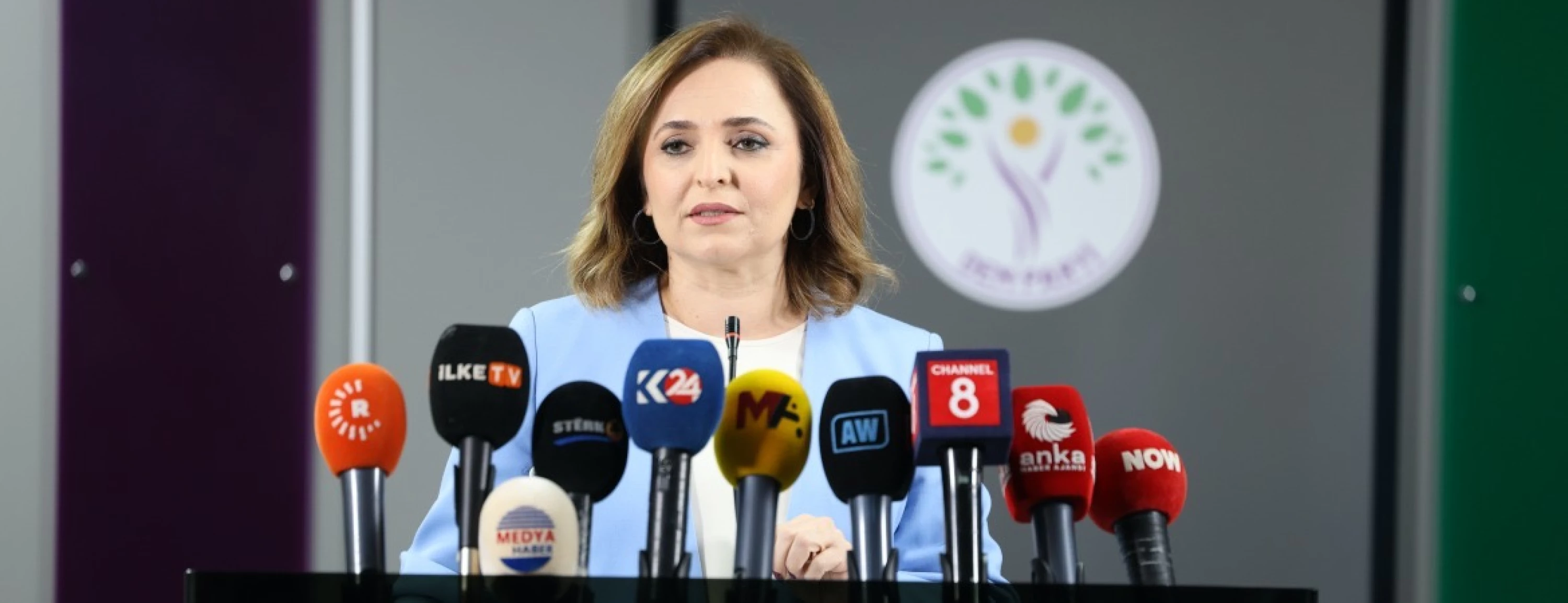
“There are various discussions and statements regarding the March 10th Agreement. We are following it closely and carefully,” DEM Party spokesperson Aysegul Dogan said on Thursday during a presser.
“We know that a democratic Syria will also contribute to democracy in the Middle East, and to democracy in Turkey,” She added.
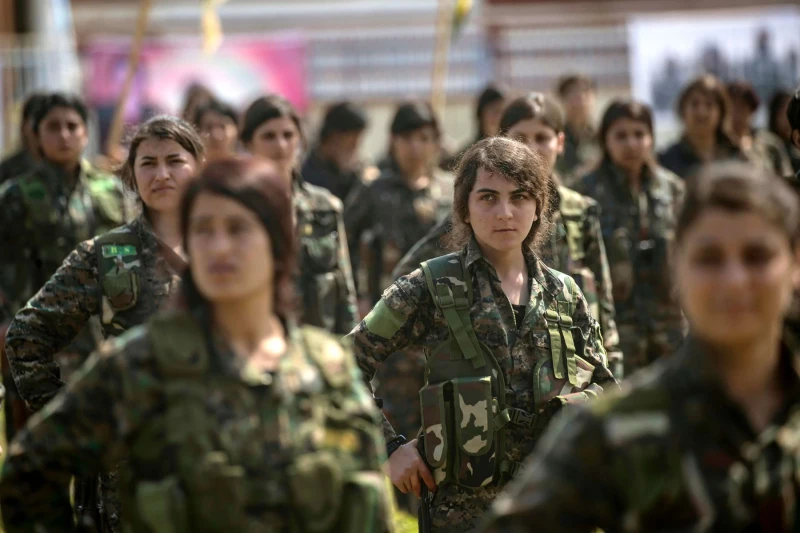
Dogan's remarks came shortly after Commander Mazloum Abdi of the Syrian Democratic Forces (SDF) said that a "shared understanding" had been reached with the Syrian government to integrate the Kurdish-led force into the Syrian security apparatus.
The SDF is considered the Rojava administration's de facto army and controls large swathes of territory in Syria's northeast region.
Abdi said the SDF and the Syrian government have reached a shared understanding on integrating military forces “in a way that serves the public interest," according to Rojava TV, the official channel operating in Rojava, describing the integration as "a key step in the path toward a solution."
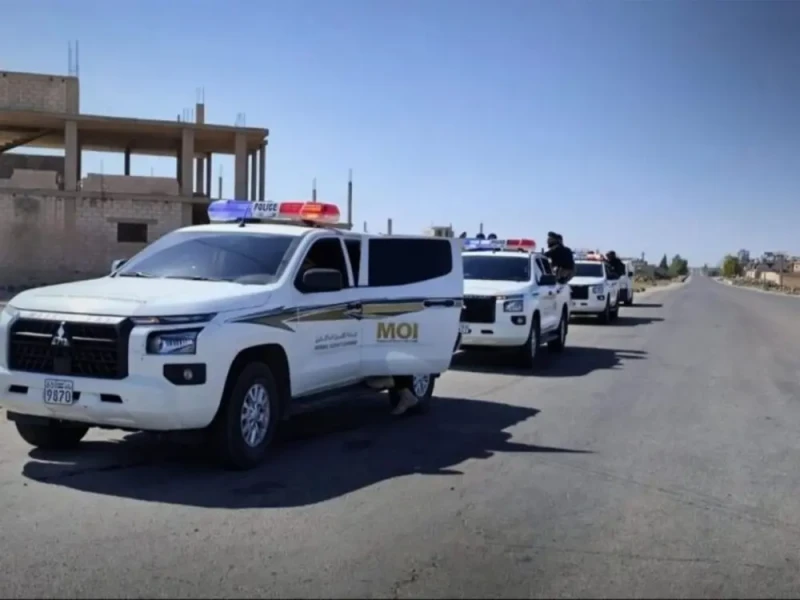
The renewed talks of integration come agains the backdrop of clashes that erupted in Aleppo’s Kurdish-majority Sheikh Maqsoud and Ashrafiyeh neighborhoods on Monday, with Damascus and Kurdish forces trading blame for the altercation. The fighting left a woman and a child dead and injured 20 others, according to the SDF, while Syrian state media said that four were killed.
Damascus and the SDF have repeatedly traded blame over failures to complete an integration agreement.
Dogan further asserted that the stalled integration agreement is “constituting conflict,” and urged dialogue to prevent further challenges.
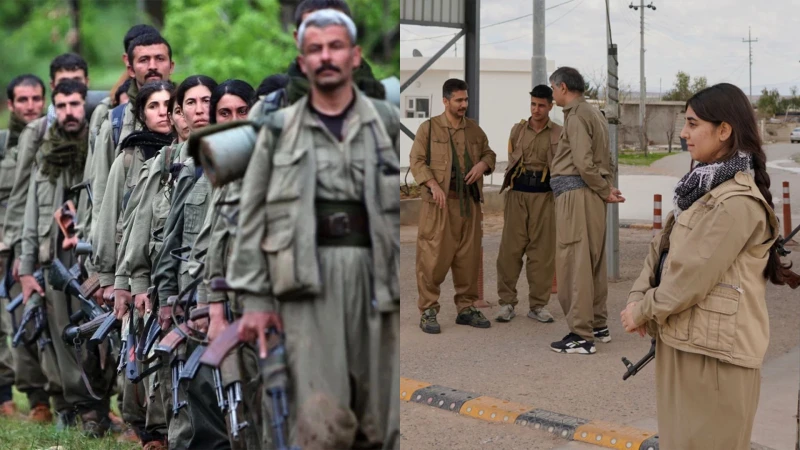
Turkey considers the People’s Protection Units (YPG), the backbone of the SDF, to be inextricably linked to the Kurdistan Workers' Party (PKK) and thereby sees the SDF as an extension of their now-disbanded domestic foe.
The PKK in May announced its decision to dissolve and disband upon jailed leader Abdullah Ocalan’s historic call, marking an end to their armed struggle against the Turkish state that spanned four decades and claimed tens of thousands of lives.
The US-backed SDF is the global coalition’s main ally on the ground in the fight against the Islamic State (ISIS). Despite the SDF's intimate counterterrorism ties with the US military, Washington has strongly pushed for the integration of the March 10 agreement as relations with the new Syrian administration have warmed.
Kurds and other minorities in Syria have called for decentralized governance, a request Damascus has firmly rejected.
 Facebook
 LinkedIn
 Telegram
 X
X