ERBIL, Kurdistan Region of Iraq - An official source in Syria's foreign ministry on Friday bemoaned the lack of "tangible results" regarding the integration of the Syrian Democatic Forces (SDF) into the Syrian state, contradicting claims by the Kurdish-led force that the process is advancing.
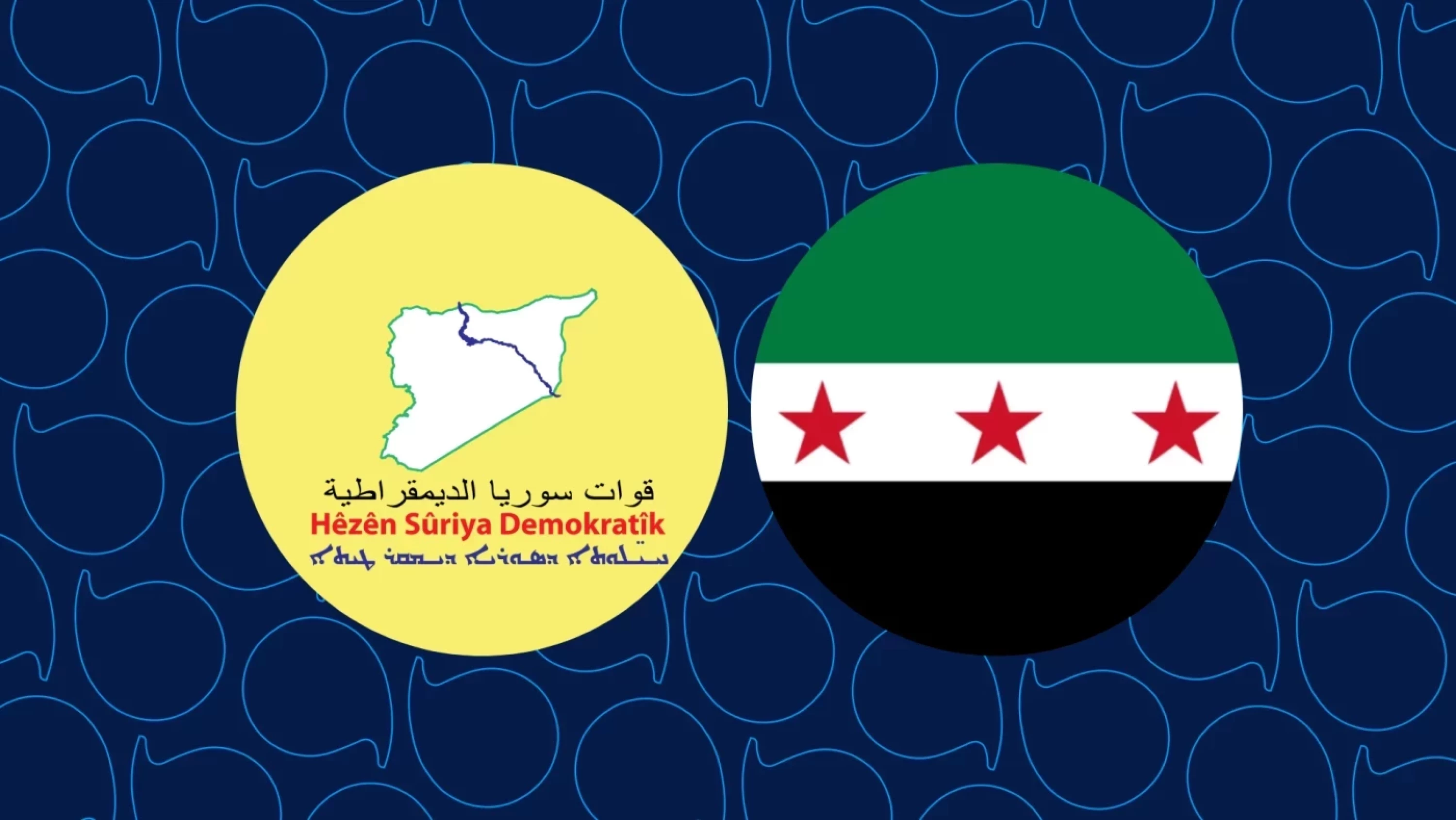
On March 10, the SDF and Syrian President Ahmed al-Sharaa signed an agreement that would bring the former, and other institutions in northeast Syria (Rojava), under the auspieces of the latter. However, sporadic violent clashes between both sides have seen the implementation of the accord gain little traction.
SDF chief Mazloum Abdi said Thursday that talks with Damascus have made “notable progress,” with a "shared understanding" having been reached with the Syrian government to integrate the Kurdish-led force into the Syrian security apparatus.
However, in comments carried by Syrian state media on Friday, a senior foreign ministry source said discussions on integrating institutions in the northeast into the state have remained theoretical, with no concrete steps or timelines, raising doubts about the seriousness of the SDF’s commitment.
The source said claims by SDF leaders that dialogue with the Syrian state is ongoing have not led to tangible results, describing the rhetoric as largely aimed at easing political pressure while talks remain stalled.
The ministry said realities on the ground contradict repeated assertions of unity, citing the continued operation of administrative, security and military bodies outside state control, which it said reinforces fragmentation rather than resolving it.
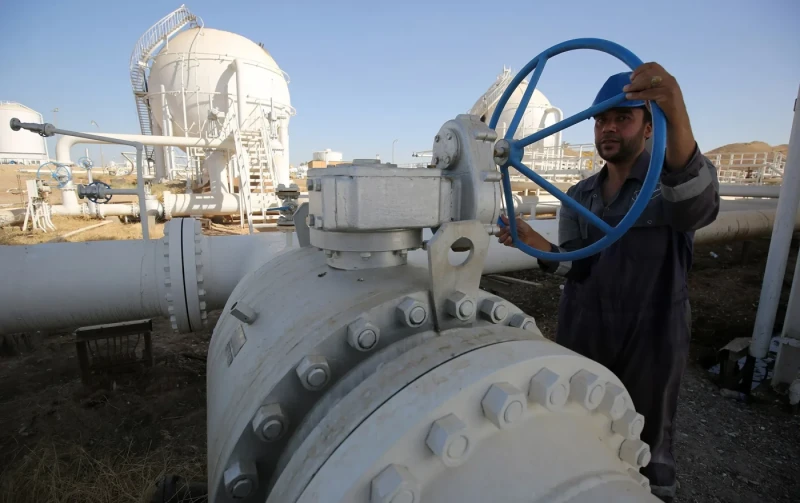
It also dismissed SDF statements that oil belongs to all Syrians as lacking credibility as long as resources are not managed by state institutions or included in the national budget. Any talk of convergence, the source added, is meaningless without formal agreements and clear, time-bound implementation mechanisms.
On governance, the ministry said current decentralization proposals exceed an administrative model and amount to political and security decentralization that threatens Syria’s unity and entrenches de facto authorities.
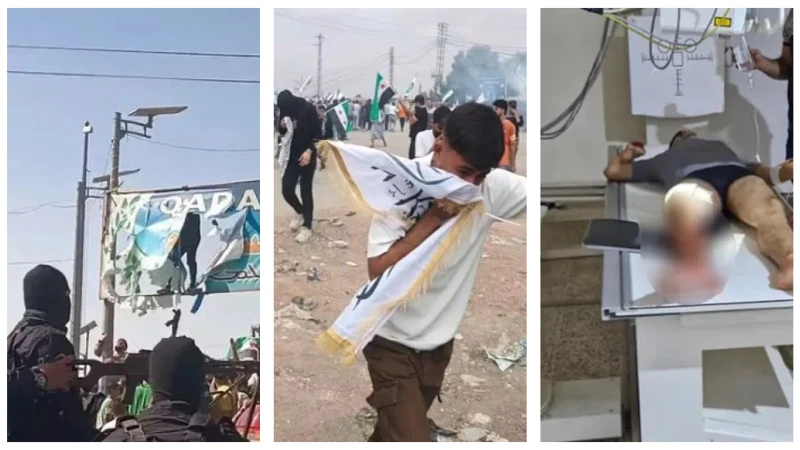
The renewed talks of integration come agains the backdrop of clashes that erupted in Aleppo’s Kurdish-majority Sheikh Maqsoud and Ashrafiyeh neighborhoods on Monday, with Damascus and Kurdish forces trading blame for the altercation. The fighting left a woman and a child dead and injured 20 others, according to the SDF, while Syrian state media said that four were killed.
The violence concurred with a visit by a senior Turkish delegation to Damascus, during which Syrian Foreign Minister Asaad al-Shaibani accused the SDF of delaying implementation of the March 10 agreement.
In a joint press conference with his Turkish counterpart, Shaibani warned that continued delays could have negative consequences for the region, further escalating political tensions between Damascus and the Kurdish-led authorities.
 Facebook
 LinkedIn
 Telegram
 X
X