ERBIL, Kurdistan Region of Iraq – The Iranian government is taking steps toward softer measures and recognizing protesters’ demands, as strikes and demonstrations in Tehran enter their third day and hardliner threats fail to halt their continuation.
As strikes and protests at Tehran’s Grand Bazaar entered their third day on Tuesday over the falling value of the rial against the US dollar, the Iranian government adopted a softer approach, with threats failing to stop the demonstrations and Tehran acknowledging the protesters’ demands.
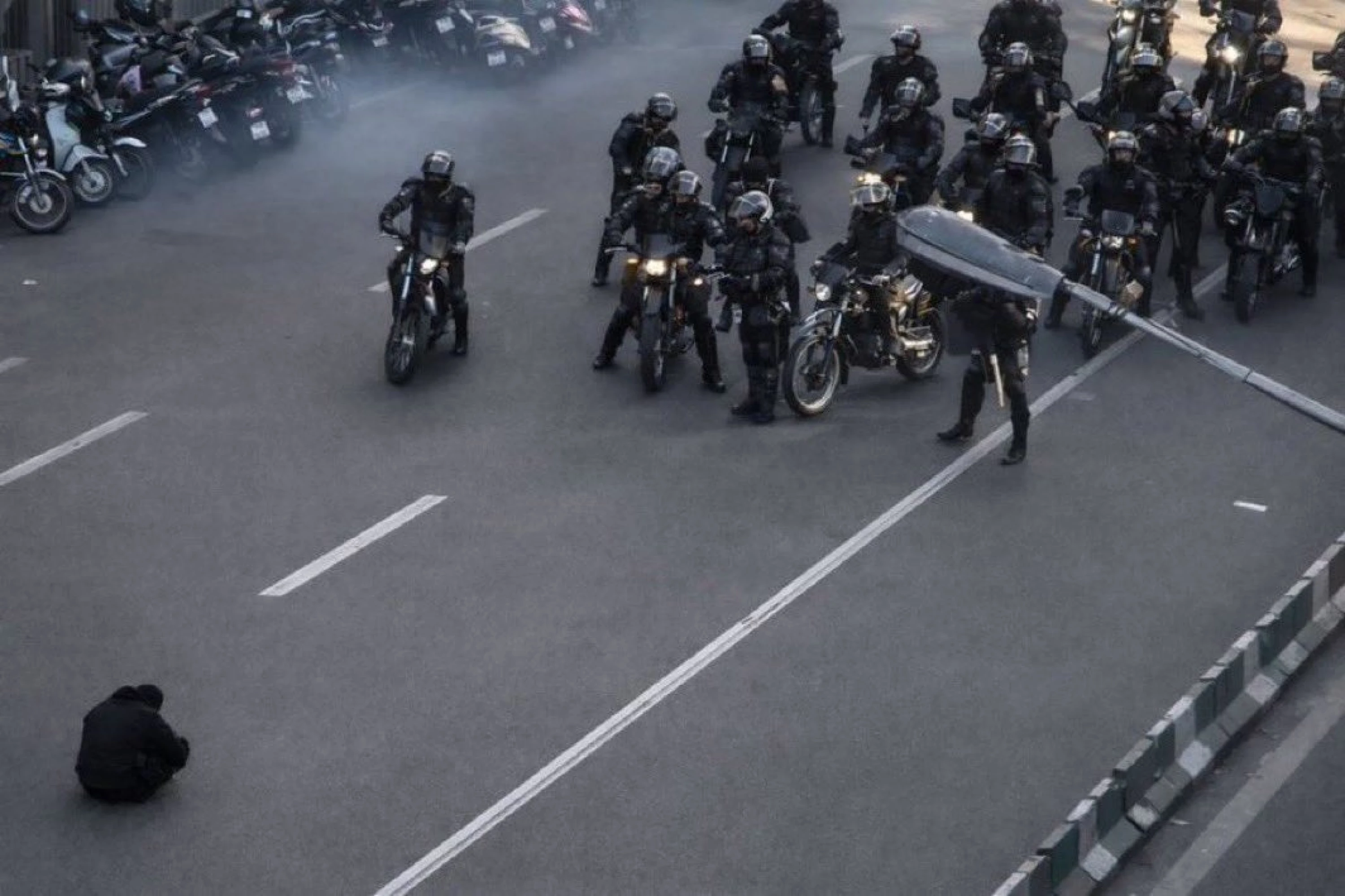
On the second day of widespread protests, Iran’s judiciary and the Islamic Revolutionary Guard Corps (IRGC) warned demonstrators of legal action as the state remained on alert amid clashes with security forces.
On Monday night, the protests expanded to other areas of Tehran, including the Ekbatan neighborhood and universities, and continued until late into the night.
These areas have been active during previous nationwide protests in recent years.
"The government, even if there are harsh voices, will listen to these voices patiently, because we believe that our people are patient enough and when they raise their voices, it indicates the high pressure being placed on them,” Government spokesperson Fatemeh Mohajerani said during a presser on Tuesday.
She noted that the Islamic republic “recognizes the people's protests” and calls for “peaceful gatherings.”
Mohajerani said the government plans to support livelihoods and protect living standards through a “basket of goods” and “livelihood credit,” while addressing the root cause of rising prices, as salaries have increased over the past 20 years, but people’s purchasing power has declined.
Tehran signaled a lower likelihood of cracking down on the internet, despite the Islamic republic’s frequent use of online restrictions during periods of heightened tensions and protests to control the flow of news.
As the first proposals of User Protection Bill (Tarhe-Sianat) did not work properly, “we must know that free access to information is the right of the people,” she said, adding that “the government's view is to support free access to information, and therefore anything that contradicts this will naturally not be supported by the government.”
In Iran, access to international online services is restricted under the User Protection Bill, which was passed by parliament in 2021. The bill was initially approved but later revoked due to unclear procedural issues, though the majority of social media platforms remain banned.
Iranian Parliament Speaker Mohammed Bagher Ghalibaf on Tuesday acknowledged the recent protests, saying “livelihood problems must be responded to with full responsibility,” and adding that “necessary measures must be taken,” the state-owned IRNA news agency reported.
Ghalibaf further warned, “Iran does not seek permission from anyone to defend itself,” adding that “defense will not necessarily be predictable or similar to the past.”
Late Monday, Iranian President Masoud Pezeshkian ordered the interior minister to “hear the legitimate demands of the protesters,” saying the government can act to resolve problems and respond responsibly.
Tehran’s bazaar remains a strategic location as the country’s largest and forms a cornerstone of Iran’s economy.
Videos posted on social media and verified by The New Region showed that protests and strikes expanded to several cities, including Kermanshah and Shiraz, as well as several neighborhoods in Tehran, amid clashes with security forces.
The protests carry particular significance for the state, as Iran’s economy heavily relies on the Grand Bazaar, which has rarely participated in demonstrations, especially during the country’s largest nationwide protests in 2022, when much of the crowd urged the bazaar to join a strike against the government.
 Facebook
 LinkedIn
 Telegram
 X
X