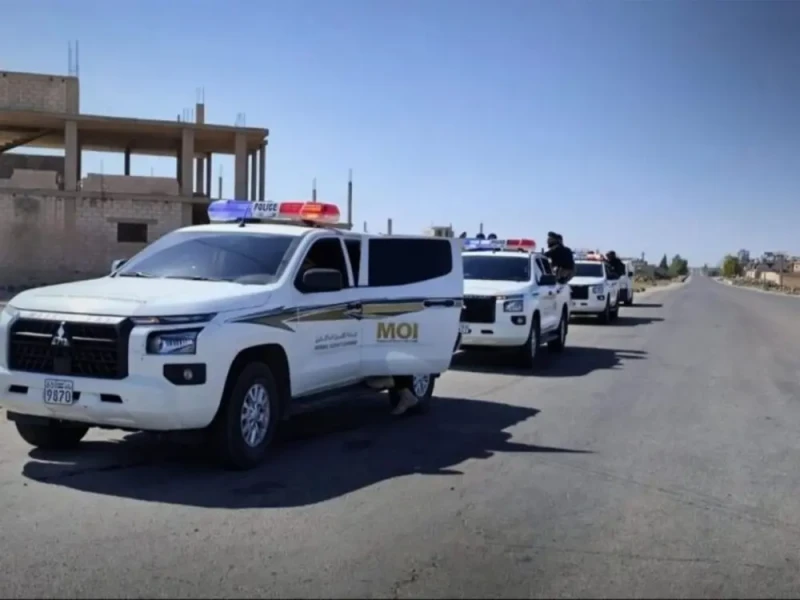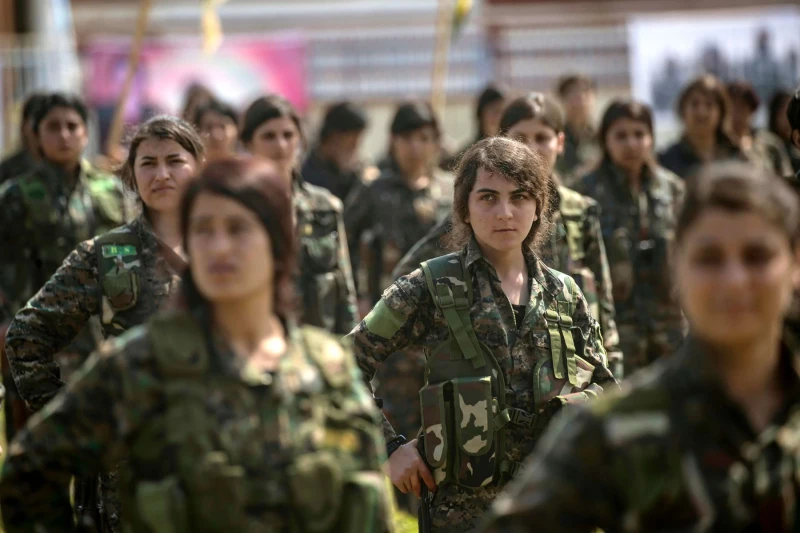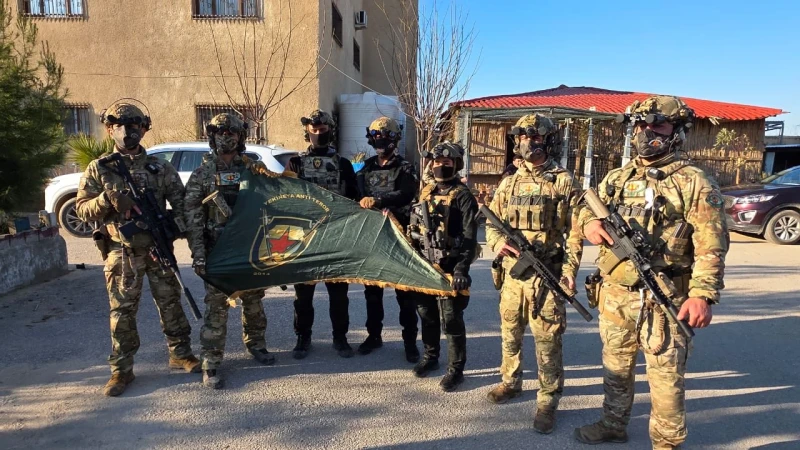

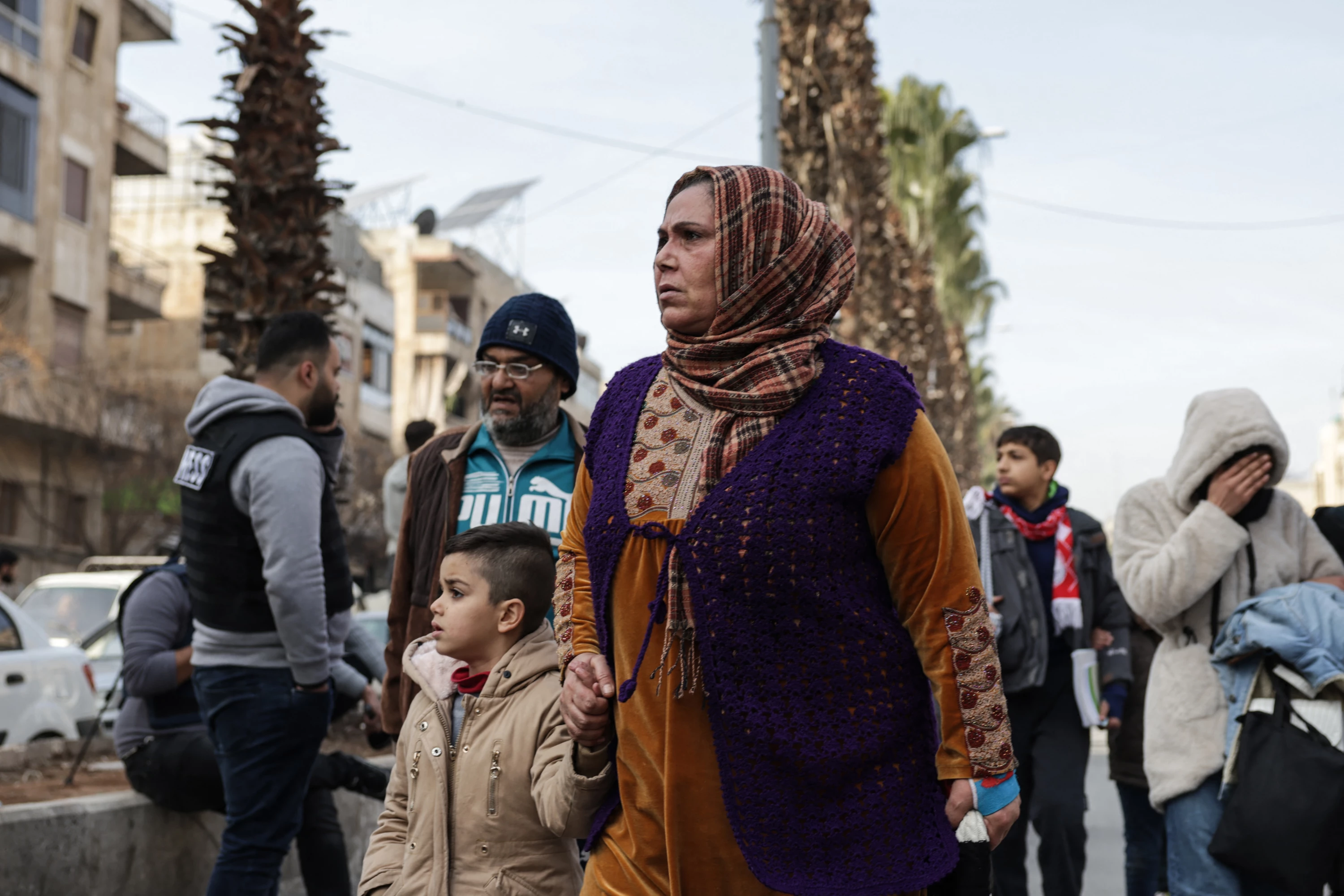
ERBIL, Kurdistan Region of Iraq – The Kurdish-led internal security forces (Asayish) in Aleppo on Wednesday accused Damascus-affiliated forces of using civilians in the city's Kurdish-majority neighborhoods as “human shields” during recent clashes, saying residents have been pushed into “forced displacement” in what it described as human rights violations.
Clashes between Damascus-affiliated and Kurdish-led security forces are ongoing in Aleppo’s Kurdish-majority Sheikh Maqsoud and Ashrafiyeh neighborhoods, with at least seven people having been killed and 41 others injured, according to Kurdish-led Syrian Democratic Forces (SDF)-affiliated media.
“In an organized and clear crime, Damascus government factions have resorted to imposing a suffocating siege on the Sheikh Maqsoud neighborhood, accompanied by intensive shelling and the encirclement of neighborhoods with tanks, along with explicit threats of a comprehensive invasion, in a criminal attempt to exhaust the population and push them toward forced displacement,” the Asayish said Wednesday.
The Kurdish-led forces described the clashes as a “systematic policy” that represents a “blatant violation of international laws and norms,” saying it reflects a mentality that relies on “military coercion” and psychological pressure to control civilians.
The statement further accused Damascus-affiliated forces of using residents of the Sheikh Maqsoud neighborhood as “human shields” after failing to “subjugate” the area, saying the forces forced civilians onto the front lines of their attack in what they described as a brutal method that violates "all human values."
“At the same time, they returned elderly people to the besieged neighborhood, in an obvious attempt to exploit them as leverage and impose control over civilians without restraint,” it said.
The Syrian Observatory for Human Rights (SOHR) later orroborated reports of Damascus-linked factions using young men as "human shields," by forcing them into the front lines of the clashes.
Both sides have traded blame for the clashes. The Damascus-linked Aleppo Media Directorate on Tuesday accused the Kurdish-led SDF of initiating the attacks, reporting several casualties among government personnel, while the Kurdish forces on Wednesday blamed Damascus for the recent clashes.
Northeast Syria's (Rojava) autonomous administration earlier on Wednesday reaffirmed that the SDF are not present in the two neighborhoods, considering an earlier statement by the Syrian government's defense ministry, which declared the two neighborhoods a military zone as "a direct threat to target" the two Kurdish-majority civilian zones.
The UK Foreign Office on Wednesday expressed concern over civilian injuries and displacement in Aleppo, urging “immediate de-escalation, dialogue, and the protection of civilians” in a post on its Arabic-language X account.
“We continue to monitor the situation closely,” the UK foreign ministry said.
The Asayish have previously said their forces in the two neighborhoods are not under SDF control.
The US-backed SDF is the de facto army of Rojava and controls about a third of Syria’s territory. The Kurdish-led force has repeatedly stated that it has no presence in Aleppo, with local Asayish units overseeing security in the Kurdish-majority neighborhoods instead.
An April 1st agreement between the Civil Council of Sheikh Maqsoud and Ashrafieh neighborhoods and the Syrian government saw the SDF evacuate the two neighborhoods in Aleppo, leaving the internal Asayish forces in charge.
The escalations follow a high-level meeting on Sunday between an SDF delegation headed by the forces’ chief Mazloum Abdi and officials in Damascus, discussing the implementation of the March 10 agreement concerned with the integration of Kurdish-led units in the country into the Syrian army.
While the Kurdish side asserted that the meeting was held in a “professional and responsible” manner, ensuring “well-considered results,” Syrian sources told state media that it did not lead to any “tangible results.”
The implementation of the agreement has been stalled due to the Kurdish side demanding a democratic integration while Damascus maintains its centralized stance, with frequent clashes between the two sides further escalating tensions.
 Facebook
 LinkedIn
 Telegram
 X
X