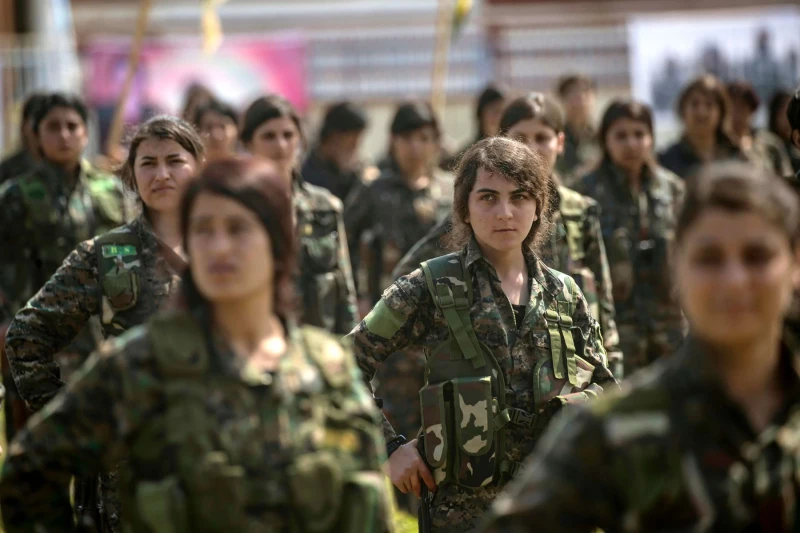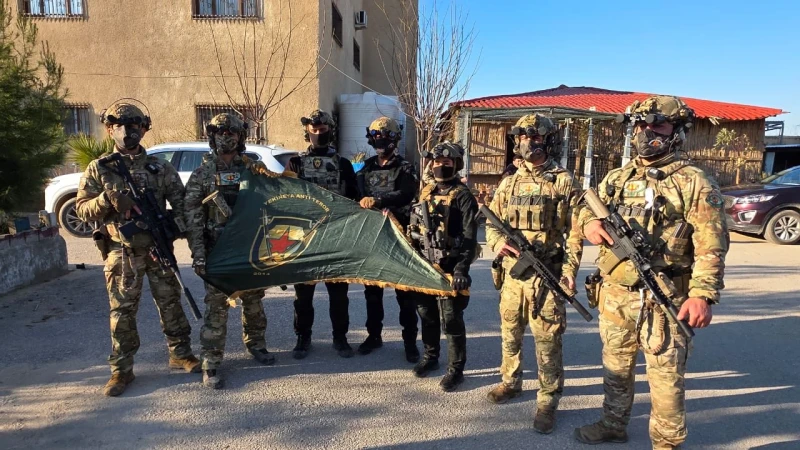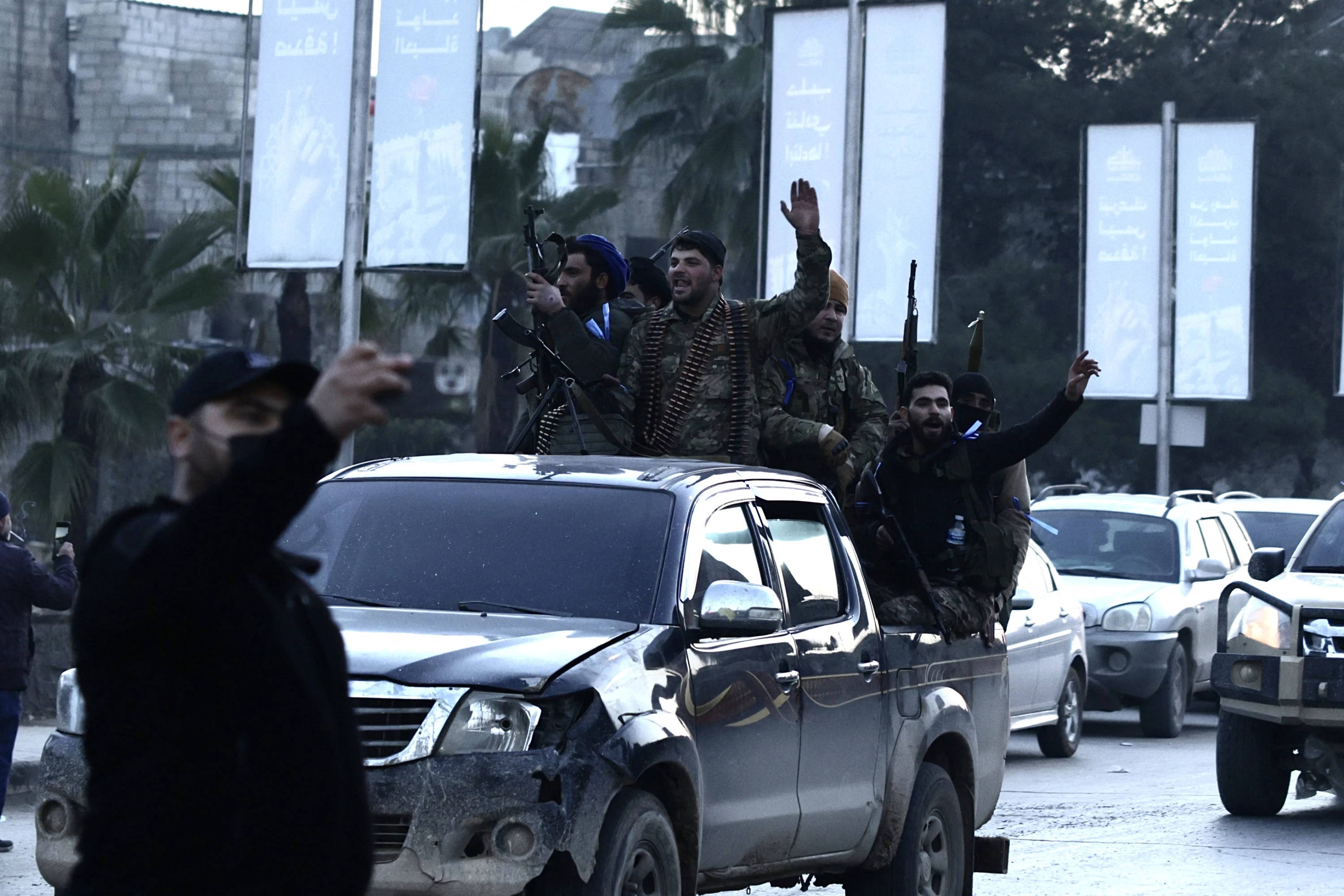
ERBIL, Kurdistan Region of Iraq – The Kurdish-led internal security forces (Asayish) in Syria on Wednesday accused Damascus-affiliated forces involved in ongoing Aleppo clashes of being the same groups responsible for sectarian atrocities in Suwayda and Latakia, noting they are listed on international sanctions lists due to what it described as a record of “grave violations.”
Clashes between Damascus-affiliated and Kurdish-led security forces are ongoing in Aleppo’s Kurdish-majority Sheikh Maqsoud and Ashrafiyeh neighborhoods, with at least eight people having been killed and 52 others injured, according to the Asayish statement.
Both sides have traded blame for triggering the clashes and accused one another of targeting civilian areas with heavy munitions.
The Asayish on Wednesday blamed the clashes in Aleppo on "the same factions involved in committing documented massacres in Suwayda and along the Syrian coast," referring to epsiodes in which Syrian state forces clashed with the country's Druze and Alawite religious minorities respectively.
The statement identified the Damascus-affiliated forces involved as Division 62, known as the so-called Suleiman Shah Division (al-Amshaat); Division 72, the so-called Sultan Murad Division; Division 76, the so-called Hamza Division; and Division 80, the so-called Nour al-Din al-Zenki Movement.
The UK in December sanctioned the Sultan Murad, Sultan Suleiman Shah, and Hamza divisions, who were purportedly involved in the armed aggression in March against the Alawite population along the coastal Latakia province that led to at least 1,400 deaths, most of them Alawite civilians.
The Sultan Suleiman Shah and Hamza divisions, colloquially called the Amshat and the Hamzat, have a strong tie to Turkey and are regarded as Ankara’s proxy forces. They have been accused by the UN of extrajudicial executions, looting, and sexual and ethnic violence, particularly against Alawites and Kurds.
The Sultan Murad division is similarly Ankara-backed. The Turkmen rebel group is widely known for abuses committed in Afrin and Sari Kani, where a war monitor accused it of seizing thousands of olive trees following Ankara’s 2018 invasion.
"These armed groups have been fighting by proxy since their inception and have never been part of any national project. Instead, they possess a dark record of crimes and violations against civilians," the Asayish added.
The Kurdish-led forces also blamed Syria’s Defense Ministry for what they described as its “direct [public] coverage and adoption” of the factions’ actions in Damascus, “in blatant disregard for their crimes,” saying this makes the Syrian government responsible for what is happening.
A spokesperson for UN Secretary-General Antonio Guterres told The New Region on Wednesday that he "is alarmed by reports of civilian deaths and injuries following hostilities in Aleppo," calling on all actors to immediately de-escalate, exercise maximum restraint, and take all measures to prevent further harm to civilians.
"We continue to encourage all parties to demonstrate flexibility and goodwill, on both the military and political tracks, and promptly resume negotiations in order to fully implement the March 10 agreement," said Farhan Haq.
Northeast Syria's (Rojava) autonomous administration earlier on Wednesday reaffirmed that the Syrian Democratic Forces (SDF) are not present in the two neighborhoods, considering an earlier statement by the Syrian government's defense ministry, which declared the two neighborhoods a military zone as "a direct threat to target" the two Kurdish-majority civilian zones.
The Asayish have previously said their forces in the two neighborhoods are not under SDF control.
The US-backed SDF is the de facto army of Rojava and controls about a third of Syria’s territory. The Kurdish-led force has repeatedly stated that it has no presence in Aleppo, with local Asayish units overseeing security in the Kurdish-majority neighborhoods instead.
An April 1st agreement between the Civil Council of Sheikh Maqsoud and Ashrafieh neighborhoods and the Syrian government saw the SDF evacuate the two neighborhoods in Aleppo, leaving the internal Asayish forces in charge.
The escalations follow a high-level meeting on Sunday between an SDF delegation headed by the forces’ chief Mazloum Abdi and officials in Damascus, discussing the implementation of the March 10 agreement concerned with the integration of Kurdish-led units in the country into the Syrian army.
While the Kurdish side asserted that the meeting was held in a “professional and responsible” manner, ensuring “well-considered results,” Syrian sources told state media that it did not lead to any “tangible results.”
The implementation of the agreement has been stalled due to the Kurdish side demanding a democratic integration while Damascus maintains its centralized stance, with frequent clashes between the two sides further escalating tensions.
 Facebook
 LinkedIn
 Telegram
 X
X