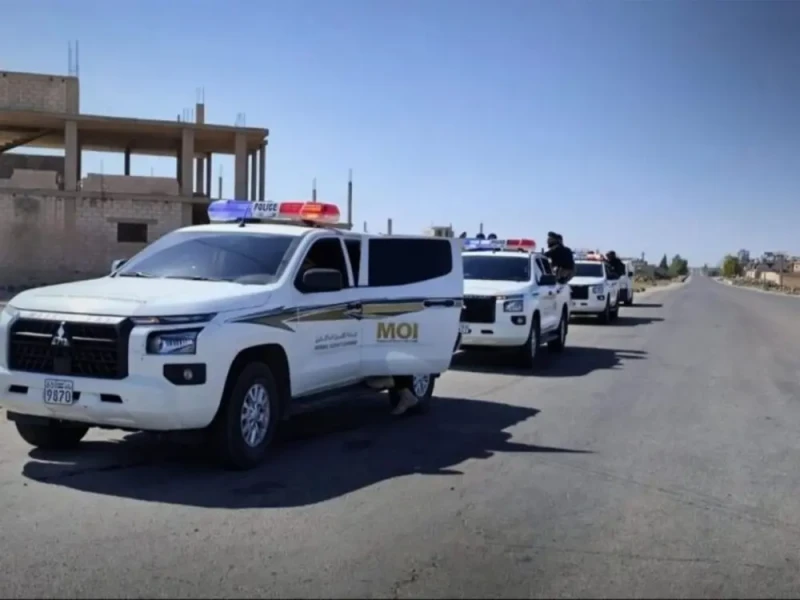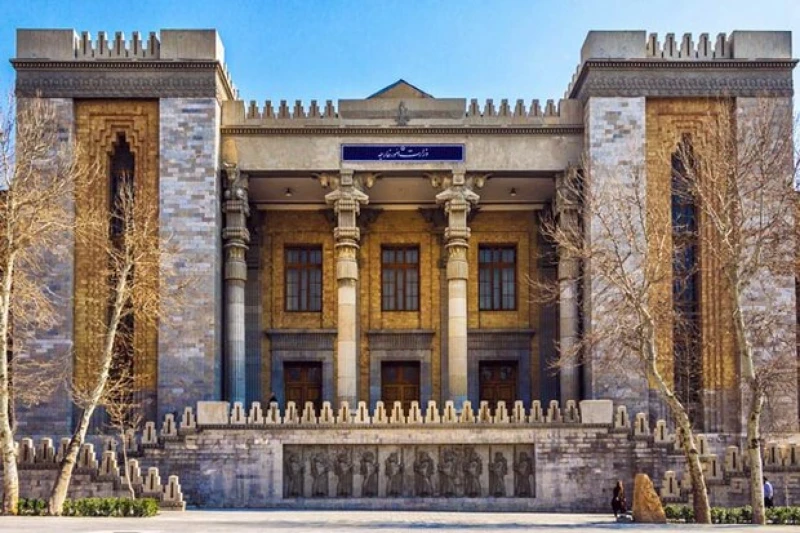
ERBIL, Kurdistan Region of Iraq – Israel’s foreign minister on Thursday condemned as “grave and dangerous” attacks by Damascus-affiliated factions on Kurdish-led forces in Aleppo’s Kurdish-majority neighborhoods, stressing the international community owes Kurds for their fight against the Islamic State (ISIS).
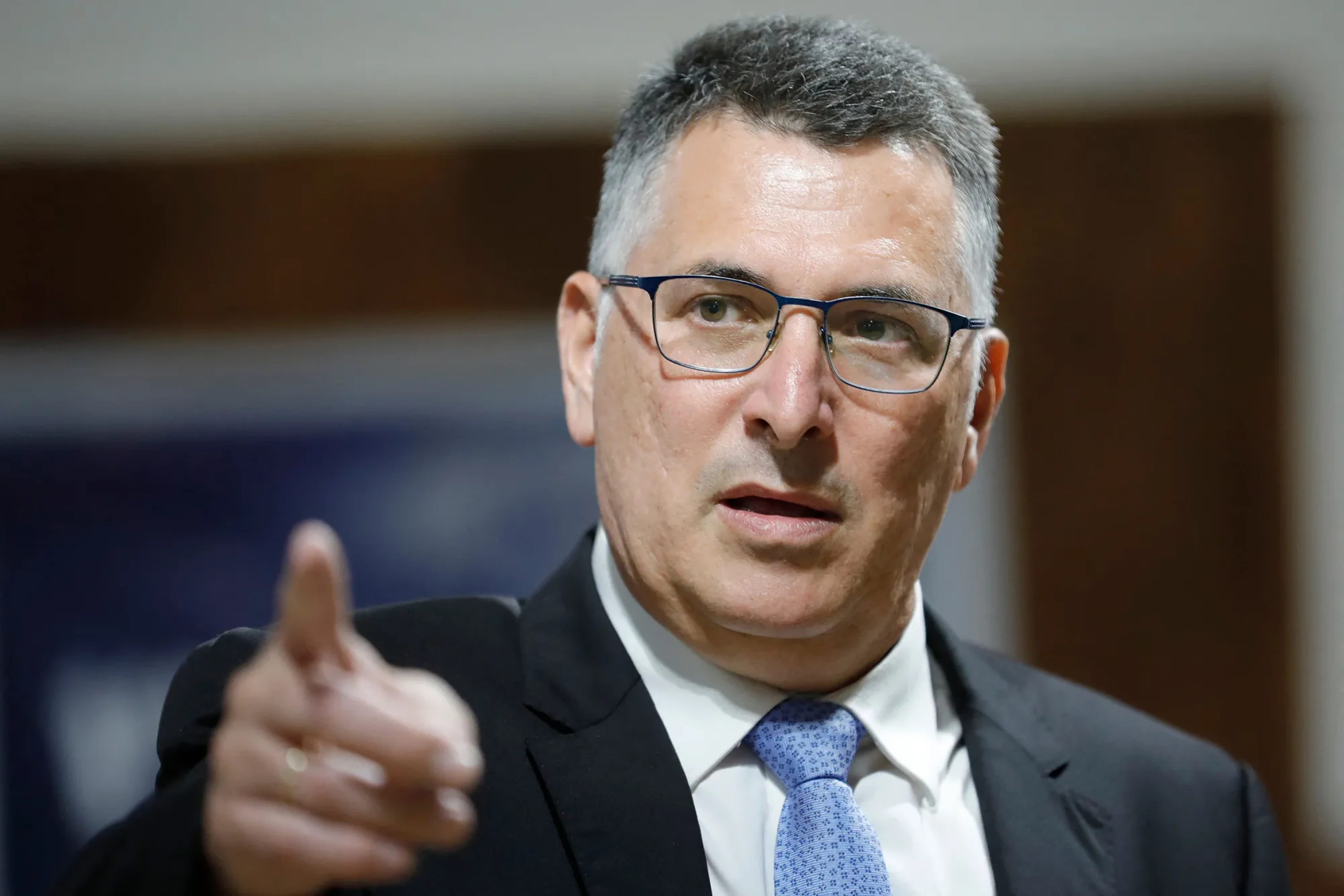
“Attacks by the Syrian regime’s forces against the Kurdish minority in the city of Aleppo – are grave and dangerous,” Gideon Sa’ar said on X.
Clashes between Damascus-affiliated and Kurdish-led security forces are ongoing in Aleppo’s Kurdish-majority Sheikh Maqsoud and Ashrafiyeh neighborhoods, with at least eight people having been killed and 57 others injured, according to figures from the Kurdish-led security forces (Asayish) in the city.
Both sides have traded blame for triggering the clashes and accused one another of targeting civilian areas with heavy munitions.
“The international community in general, and the West in particular, owes a debt of honor to the Kurds who fought bravely and successfully against ISIS,” Sa’ar stressed.
“Systematic and murderous repression of Syria’s various minorities contradicts the promises of a ‘new Syria,’” he asserted.
The Asayish on Wednesday blamed the clashes in Aleppo on "the same factions involved in committing documented massacres in Suwayda and along the Syrian coast," referring to episodes in which Syrian state forces clashed with the country's Druze and Alawite religious minorities respectively.
Tensions surged further on Wednesday after the Syrian army declared a curfew in Sheikh Maqsoud and Ashrafiyeh, announcing the two neighborhoods as “closed military zones.”
The Kurdish-led northeast Syria (Rojava) administration slammed the army’s decision as a “direct threat to target” the two Kurdish-majority areas in Aleppo.
Damascus-affiliated factions continued to bombard Aleppo’s Kurdish-majority Sheikh Maqsoud and Ashrafiyeh neighborhoods in the early hours of Thursday, with material damage reported amid simmering tensions between Damascus-affiliated and Kurdish-led forces pic.twitter.com/HvSshlYlUL
— The New Region (@thenewregion) January 8, 2026
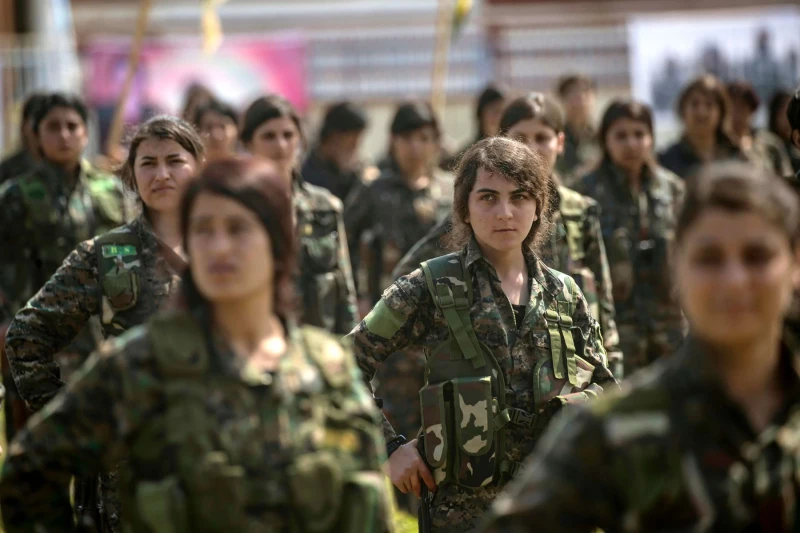
The US-backed SDF is the de facto army of Rojava and controls about a third of Syria’s territory. The Kurdish-led force has repeatedly stated that it has no presence in Aleppo, with local Asayish units overseeing security in the Kurdish-majority neighborhoods instead.
An April 1st agreement between the Civil Council of Sheikh Maqsoud and Ashrafieh neighborhoods and the Syrian government saw the SDF evacuate the two neighborhoods in Aleppo, leaving the internal Asayish forces in charge.
The escalations follow a high-level meeting on Sunday between an SDF delegation headed by the forces’ chief, Mazloum Abdi, and officials in Damascus, which discussed the implementation of the March 10 agreement concerning the integration of Kurdish-led units in the country into the Syrian army.
While the Kurdish side asserted that the meeting was held in a “professional and responsible” manner, ensuring “well-considered results,” Syrian sources told state media that it did not lead to any “tangible results.”
The implementation of the agreement has been stalled due to the Kurdish side demanding democratic integration while Damascus maintains its centralized stance, with frequent clashes between the two sides further escalating tensions.
 Facebook
 LinkedIn
 Telegram
 X
X