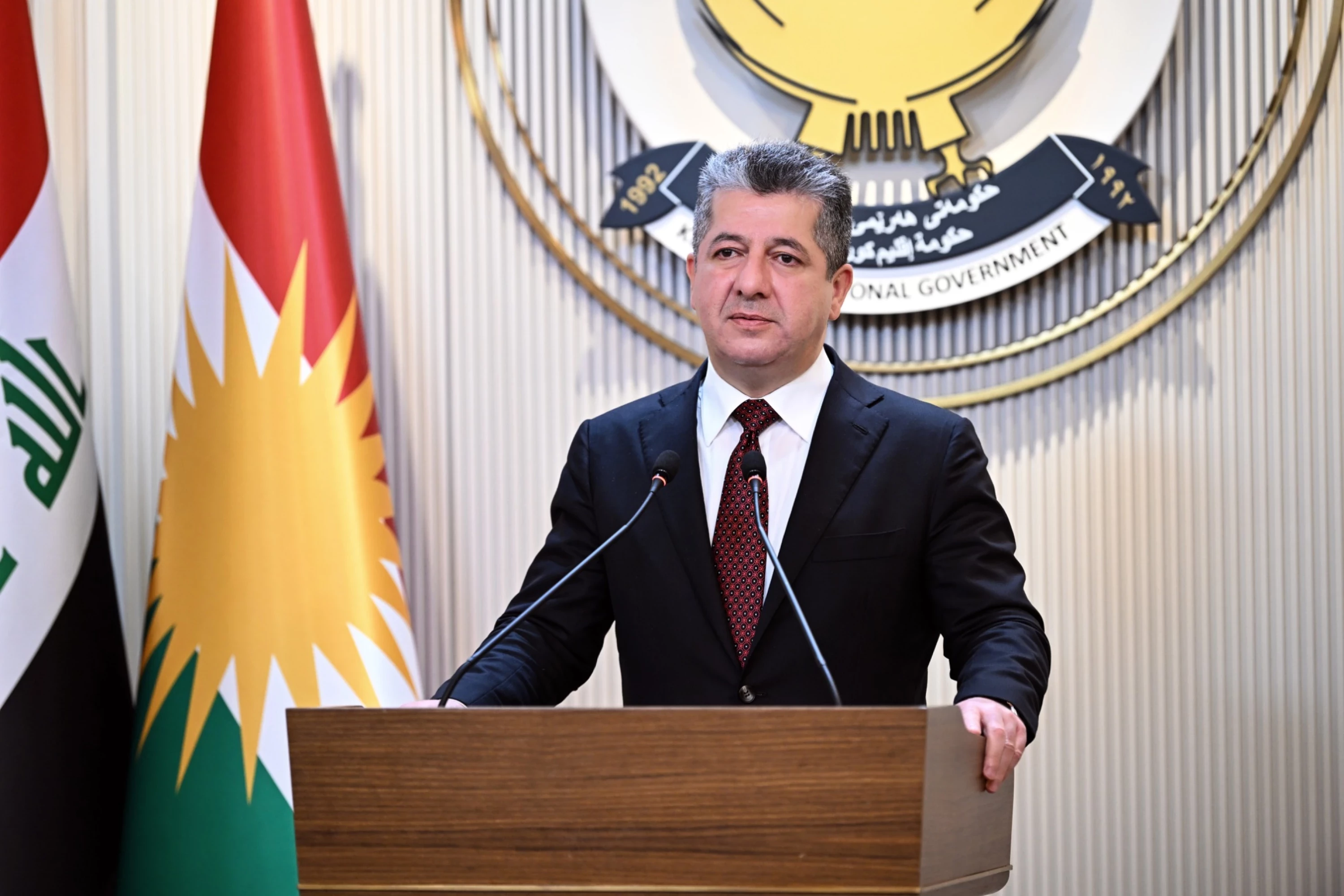
ERBIL, Kurdistan Region of Iraq – The attacks on Kurdish neighborhoods by Syrian state forces in northern Syria’s Aleppo constitute an attempt to “change the demographics of the region,” Kurdistan Region Prime Minister Masrour Barzani warned on Thursday, saying the clashes “have deeply concerned us.”
"The incidents in Aleppo and the targeting of Kurds in order to change the demography of the region and create a threat to the lives of civilian citizens put the Damascus authority and the conscience of the international community into question,” Barzani said in a statement.
The prime minister stressed that the attacks “have deeply concerned us,” asserting that “no excuse or justification should allow ethnic cleansing.”
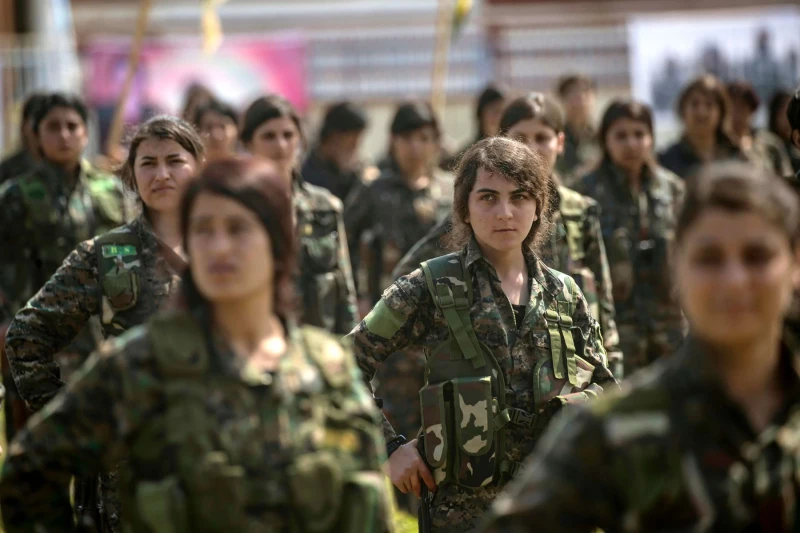
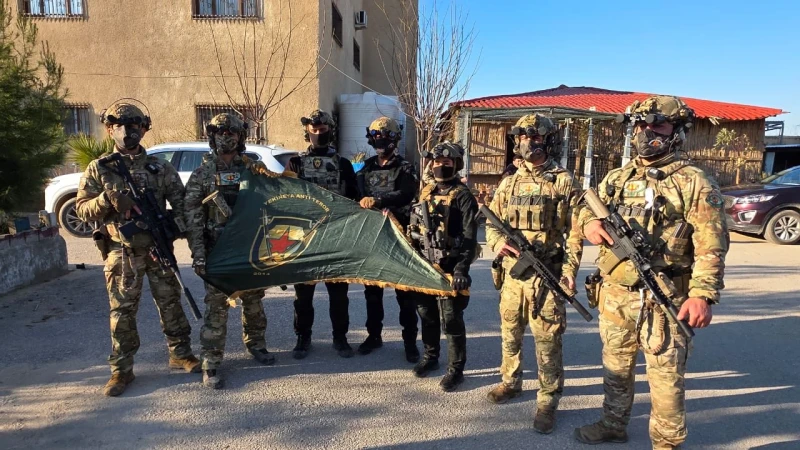
Clashes between Damascus-affiliated and Kurdish-led security forces are ongoing in Aleppo’s Kurdish-majority Sheikh Maqsoud and Ashrafiyeh neighborhoods, with at least eight people having been killed and 57 others injured, according to Kurdish-led security forces (Asayish) figures.
Barzani further called for restraint and dialogue to resolve issues. “We also hope that Syria’s current governance system will be at the level of responsibility for a democratic and inclusive authority,” he stated.
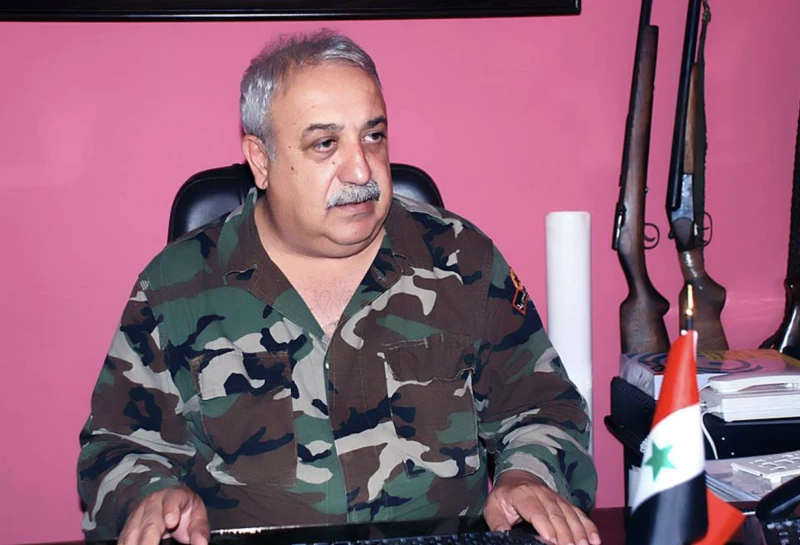
Both Damascus-linked and Kurdish-led forces have traded blame for triggering the clashes and accused one another of targeting civilian areas with heavy munitions.
On Thursday, the SDF accused the Syrian government of carrying out a policy of “collective punishment” by cutting electricity and preventing the entry of food and medical supplies to Sheikh Maqsoud and Ashrafiyeh.
It slammed the move as a “blatant violation of international humanitarian law,” asserting that the attacks on Aleppo’s Kurdish-majority neighborhoods “constitute a war crime.”
Over 46,000 residents were forced to flee their homes to evade the clashes, according to Damascus figures. The Syrian government opened two humanitarian corridors, while the Asayish forces urged the citizens to remain in their homes.
The escalations follow a high-level meeting on Sunday between an SDF delegation headed by the forces’ chief Mazloum Abdi and officials in Damascus, discussing the implementation of the March 10 agreement concerned with the integration of Kurdish-led units in the country into the Syrian army.
While the Kurdish side asserted that the meeting was held in a “professional and responsible” manner, ensuring “well-considered results,” Syrian sources told state media that it did not lead to any “tangible results.”
The implementation of the agreement has been stalled due to the Kurdish side demanding a democratic integration while Damascus maintains its centralized stance, with frequent clashes between the two sides further escalating tensions.
 Facebook
 LinkedIn
 Telegram
 X
X