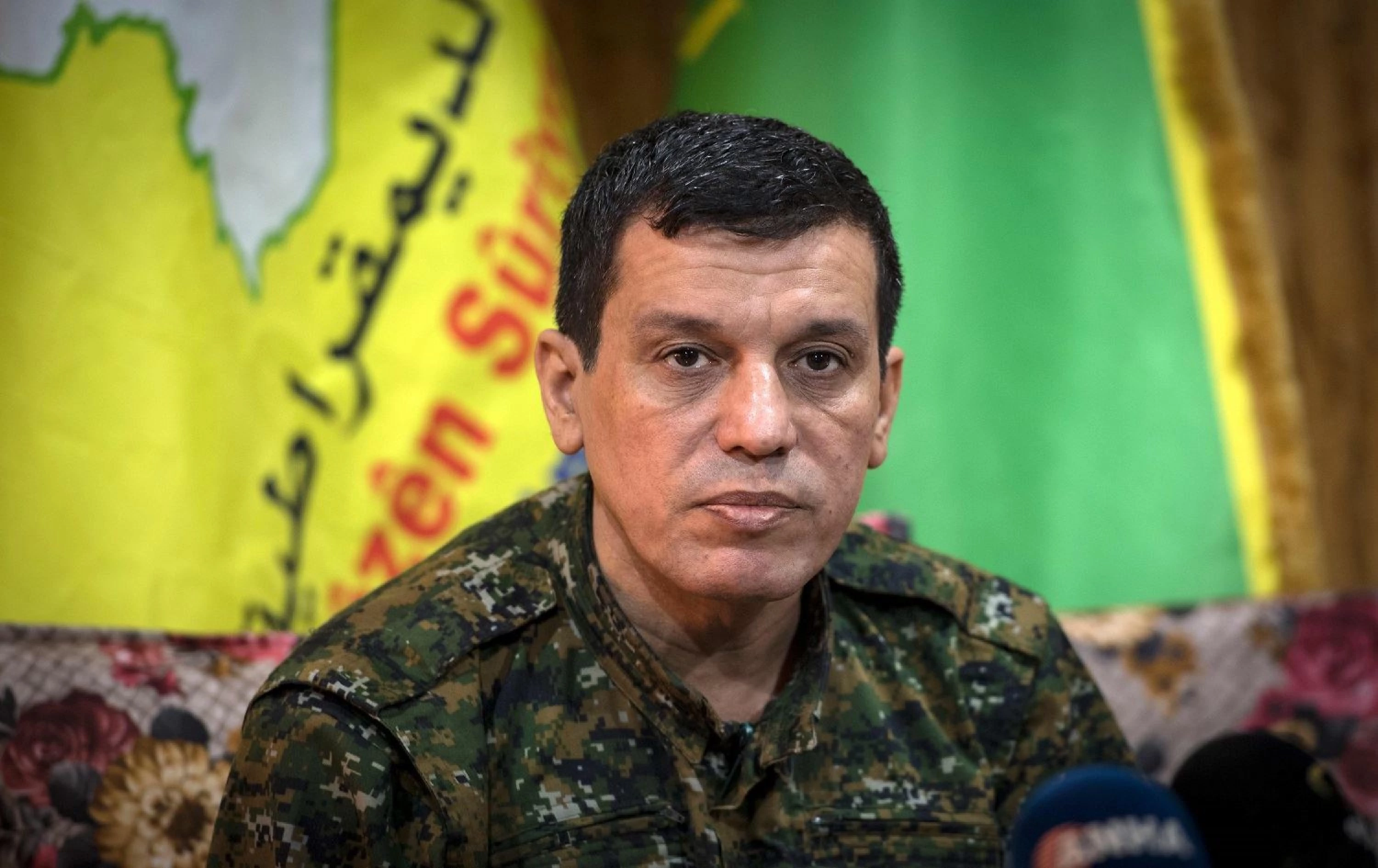
ERBIL, Kurdistan Region of Iraq - Commander of the Syrian Democratic Forces (SDF) Mazloum Abdi on Thursday said that Damascus' conduct in Aleppo is "unacceptable" and reminiscent of the prelude to earlier massacres perpetrated by Syrian forces in Latakia and Suwayda, saying that "we have been working for days with all parties to stop these attacks."
Clashes between Damascus-affiliated and Kurdish-led security forces (Asayish) are ongoing in Aleppo’s Kurdish-majority Sheikh Maqsoud and Ashrafiyeh neighborhoods. At least eight people have been killed and 57 others injured, according to Asayish figures.
"Continuing the approach of combat and the language of war to impose one-sided solutions is unacceptable, and has previously led to massacres amounting to war crimes in the Syrian coast and Suwayda," Abdi wrote on X, referencing sectarian violence by Damascus-affiliated forces against Alawite and Druze components in 2025.
The Asayish on Wednesday accused the same Syrian factions operating in Aleppo as those implicated in the aforementioned violence, noting they are listed on international sanctions lists due to what it described as a record of "grave violations."
Rhe statement identified the Damascus-affiliated forces involved as Division 62, known as the so-called Suleiman Shah Division (al-Amshaat); Division 72, the so-called Sultan Murad Division; Division 76, the so-called Hamza Division; and Division 80, the so-called Nour al-Din al-Zenki Movement.
The UK in December sanctioned the Sultan Murad, Sultan Suleiman Shah, and Hamza divisions, who were purportedly involved in the armed aggression in March against the Alawite population along the coastal Latakia province that led to at least 1,400 deaths, most of them Alawite civilians.
"The deployment of tanks and artillery in the neighborhoods of the city of Aleppo, the shelling of unarmed civilians and their displacement, and attempts to storm Kurdish neighborhoods during the negotiation process, undermine the chances of reaching understandings, and prepare the conditions for dangerous demographic changes, while also exposing the civilians trapped in the two neighborhoods to the risk of massacres," Abdi continued.
"And while standing alongside our people in Sheikh Maqsoud and Ashrafiyeh, we have been working for days with all parties to stop these attacks," he concluded.
In March 2025, Abdi and Syrian President Ahmed al-Sharaa signed an agreement that would see the Kurdish-led force brought under the auspices of the Syrian state, with the failure to implement the deal having exacerbated sporadic clashes between the two sides.
Turkish Foreign Minister Hakan Fidan on Thursday said that the SDF "needs to do its part" for national unity in Syria and accede to integration, accusing them of "being used as a tool of Israel’s policy."
The Asayish have previously said their forces in the two neighborhoods are not under SDF control, with the latter having denied any involvement in the clashes.
An April 1st agreement between the Civil Council of Sheikh Maqsoud and Ashrafieh neighborhoods and the Syrian government saw the SDF evacuate the two neighborhoods in Aleppo, leaving the internal Asayish forces in charge.
The escalations follow a high-level meeting on Sunday between an SDF delegation headed by Abdi and officials in Damascus, discussing the implementation of the March 10 agreement.
While the Kurdish side asserted that the meeting was held in a “professional and responsible” manner, ensuring “well-considered results,” Syrian sources told state media that it did not lead to any “tangible results.”
The implementation of the agreement has been stalled due to the Kurdish side demanding a democratic integration while Damascus maintains its centralized stance, with frequent clashes between the two sides further escalating tensions.
 Facebook
 LinkedIn
 Telegram
 X
X