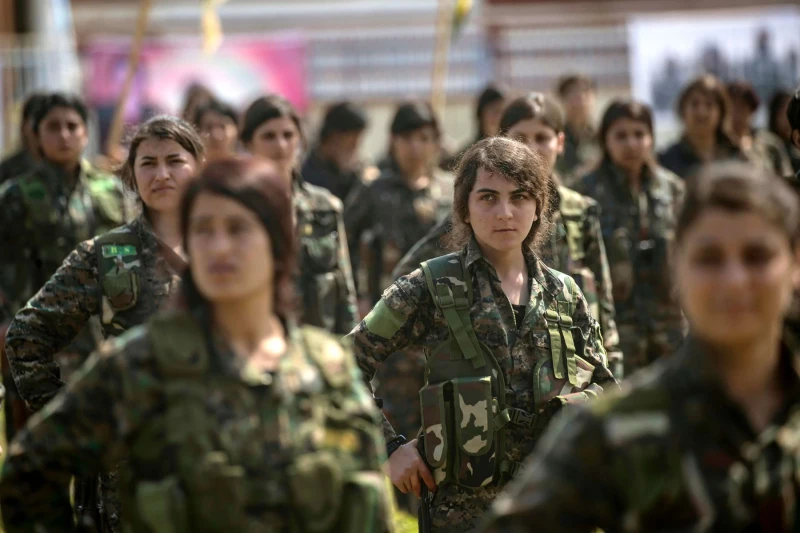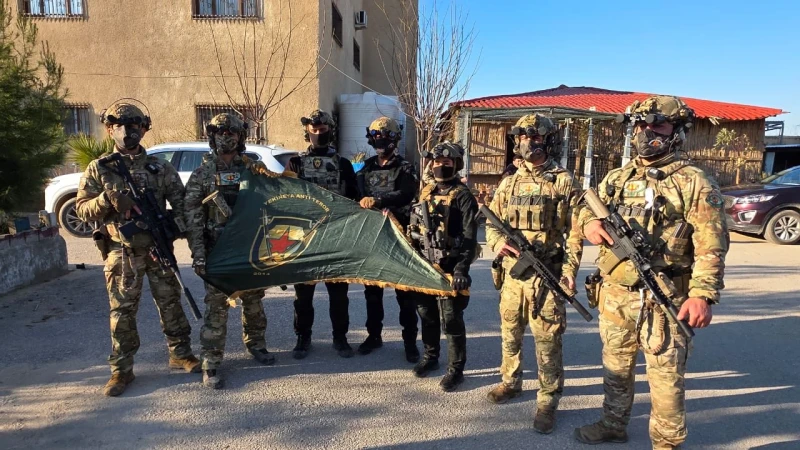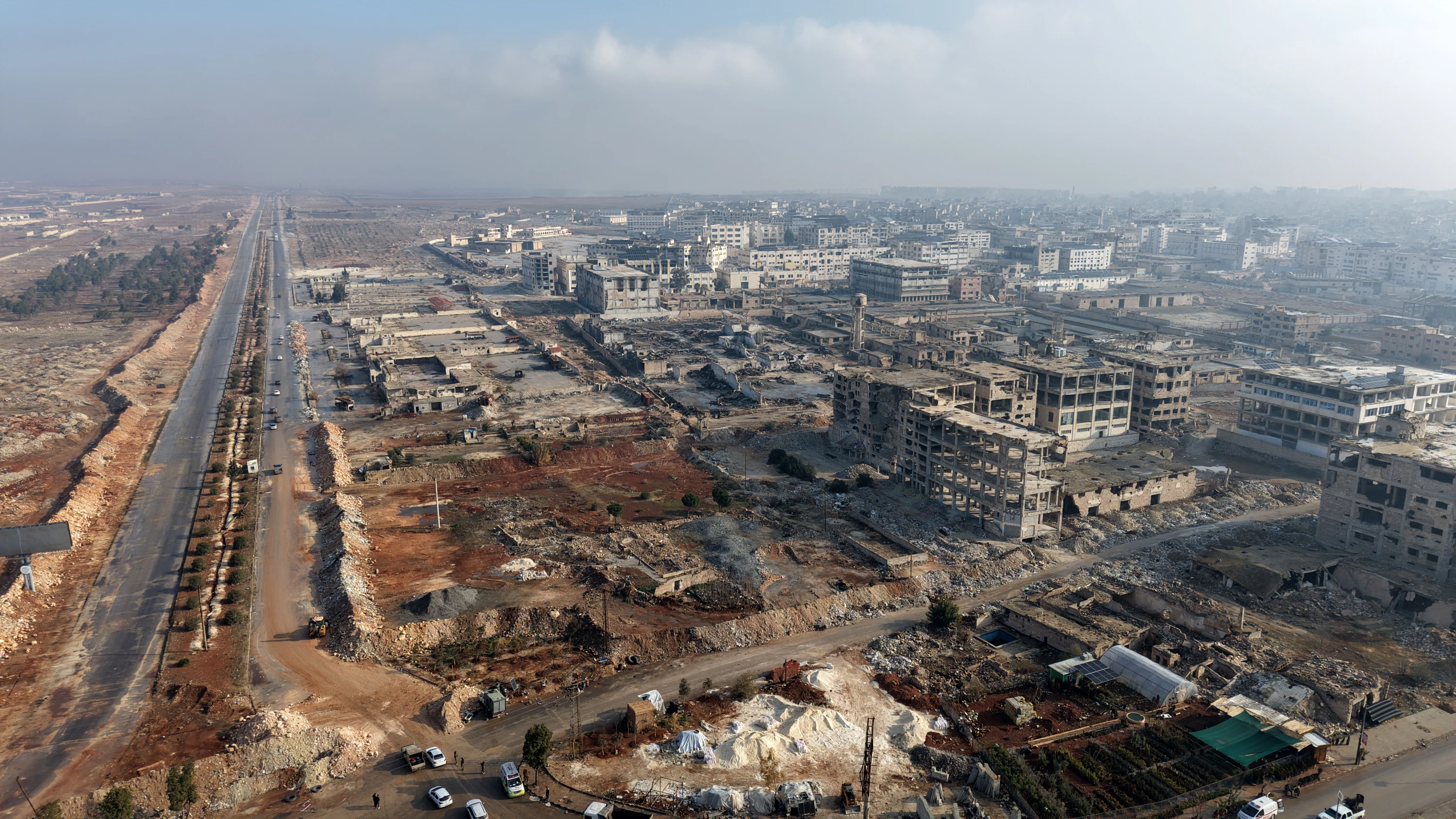
ERBIL, Kurdistan Region of Iraq - The local councils of two Kurdish-majority neighborhoods in Aleppo on Friday announced their intention to defy a Syrian plan to transport Kurdish-led fighters out of the city, vowing to "resist" state forces and refusing to surrender.
The Syrian defense ministry announced overnight that a ceasefire had been reached between Kurdish-led internal security forces (Asayish) in the neighborhoods of Aleppo’s Sheikh Maqsoud and Ashrafiyeh, including the provision that their latter leave the city and travel onward to northeast Syria (Rojava).
Aleppo province's media directorate announced that "in the coming hours, members of the SDF [Syrian Democratic Forces] will be moved with their light weapons to the east of the Euphrates," with the state outlet SANA publishing photos of buses arriving in the vicinity of the Sheikh Maqsoud neighborhood.
Syrian state media reported Friday that buses began arriving in Aleppo to transport the Kurdish-led forces out of the city under Syrian government supervision.
However, the local councils of Sheikh Maqsoud and Ashrafiyeh issued a joint statement in which they declared, "We have decided to remain in our districts and defend them," rejecting any notion of a prospective "surrender."
"The residents of the two neighborhoods and the internal security forces are showing great resistance in the face of these attacks," the statement said, adding that they "condemn the silence of international powers regarding the violations against our people in the two neighborhoods."
The refusal to accede to Damascus' demands raises worry of a reignition of clashes, which lasted over several days and say tens of people being killed, with both sides accusing one another of targeting residential areas.
The Kurdish-led SDF denied any role in the fighting, insisting that its forces had withdrawn from the city in accordance with an April 1 agreement to hand over control to local Asayish forces.
Tensions are inextricably linked to the lack of implementation of a March 10 agreement between SDF Commander Mazloum Abdi and Syrian President Ahmed al-Sharaa signed an agreement that would see the Kurdish-led force brought under the auspices of the Syrian state, with sporadic clashes having occured between the two sides over the past year.
A meeting regarding the agreement was held on Sunday that saw Abdi and other high-level Rojava officials travel to Damascus.
While the Kurdish side asserted that the meeting was held in a “professional and responsible” manner, ensuring “well-considered results,” Syrian sources told state media that it did not lead to any “tangible results.”
The failure to implement the agreement thus far has been a significant cassus belli for Syria state forces, who have accused the Kurdish-led forces of harboring a separatist agenda. The SDF and other apparatuses of the administration, meanwhile, maintain serious reservations regarding Damascus' centralizing drive and its treatment of the country's ethnic and religious minorities.
 Facebook
 LinkedIn
 Telegram
 X
X