
ERBIL Kurdistan Region of Iraq - Sweden has a responsibility to play an active role in deescalating tensions in Aleppo, Kadir Kasirga, a Swedish lawmaker of Kurdish descent, told The New Region on Friday.
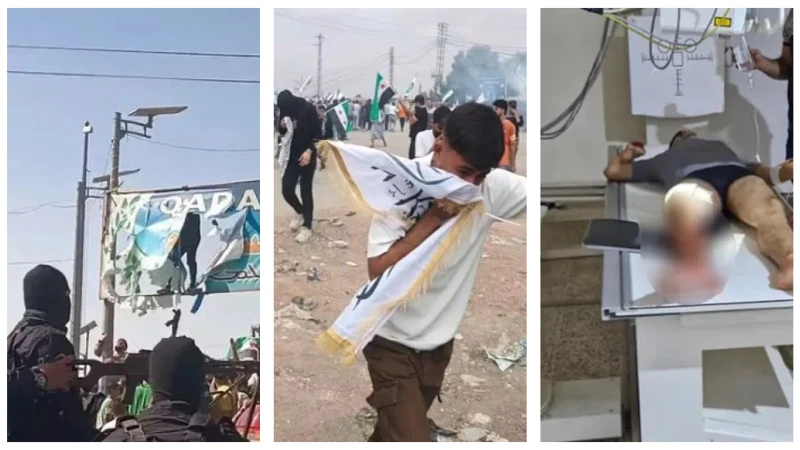
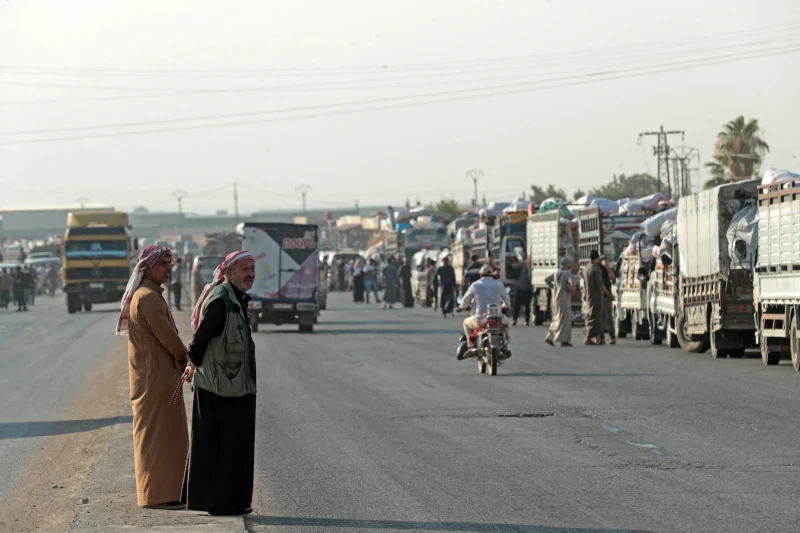
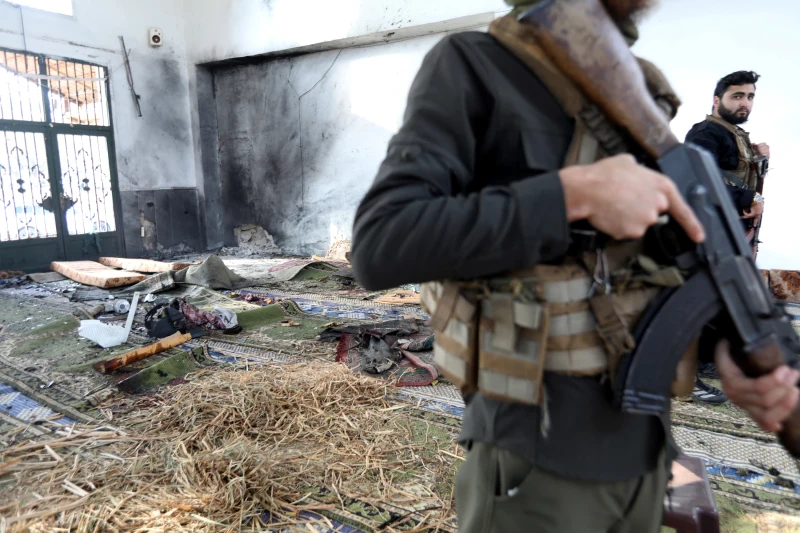
Clashes between Damascus-affiliated forces and Kurdish-led security forces (Asayish) have wracked Aleppo’s Kurdish-majority Sheikh Maqsoud and Ashrafiyeh neighborhoods in recent days, with tens of people having been killed so far and hundreds of others displaced.
Kasirga said that Sweden should “use its influence,” as a member of the US-led global coalition against the Islamic State (ISIS) and an EU member state, “to put clear diplomatic pressure on all parties to stop the fighting, demand a ceasefire, and protect civilians.”
“Attacks on densely populated areas can never be accepted,” the lawmaker stressed.
“At the same time, Sweden must continue to strengthen humanitarian support and support for local civilian institutions. In the long term, that is the only way to prevent Syria from sliding back into a full-scale civil war,” he added.
While tensions between Damascus and Syria’s Kurds have reached unprecedented highs in recent days, the interim Syrian government has already had several episodes of bloody violence with many of the country’s minority groups, mainly the Druze and the Alawites.
Sweden must avoid sacrificing ethnic and religious rights in the name of stability, Kasirga emphasized, adding that Stockholm must “stand firm on a rights-based foreign policy.”
He said that normalizing relations with Syria without clear demands is the wrong way to go.
“Damascus bears a heavy responsibility for abuses against its own population, and we have seen how ethnic and religious minorities, including Kurds, continue to be treated. Sweden's support for the Kurds and for local self-governance in northeastern Syria should not be negotiable,” the lawmaker added.
Since Syria’s new authorities rose to power in December 2024, thousands of Alawites in the country’s coastal regions and Druze in the southern Suwayda have been killed in sectarian clashes blamed on Damascus-affiliated factions.
The Syrian Democratic Forces (SDF), the de facto army in northeast Syria (Rojava) and the US-led global coalition’s main partner on the ground, claim to have refrained from intervening in Aleppo’s clashes to avoid further escalation.
“The Syrian Democratic Forces are a central partner in the coalition and have borne a very great responsibility in the fight against ISIS. When their areas are attacked, including the Kurdish neighborhoods in Aleppo, it risks undermining the entire security structure that was built up after the ISIS defeat,” Kasirga said.
Syria recently joined the coalition against ISIS following Syrian President Ahmed al-Sharaa’s visit to Washington in November. Sweden has been a member of the coalition since its establishment in 2014.
Kasirga also highlighted the need for a more active role from Kurdish diaspora in solidarity with Syria’s Kurds.
“I see that the diaspora can play an even stronger role by continuing to organize, conducting dialogue with parliament and government, and clearly linking their demands to values that Sweden claims to stand for: democracy, gender equality, minority protection, and international law,” the lawmaker told The New Region.
“When civil society and elected representatives work together, it becomes harder for the government to take a silent or passive stance,” he added.
Tensions in Aleppo are inextricably linked to the lack of implementation of a March 10 agreement between SDF chief Mazloum Abdi and Syria’s Sharaa. The agreement would see the Kurdish-led forces and institutions in Rojava brought under the auspices of the Syrian state, but its implementation has stalled over the past year due to sporadic clashes between the two sides.
The failure to implement the agreement has empowered the Syrian state forces to conduct frequent attacks, accusing the Kurdish-led forces of harboring a separatist agenda.
The SDF and other apparatuses of the administration, meanwhile, maintain serious reservations regarding Damascus' centralizing drive and its treatment of the country's ethnic and religious minorities.
 Facebook
 LinkedIn
 Telegram
 X
X