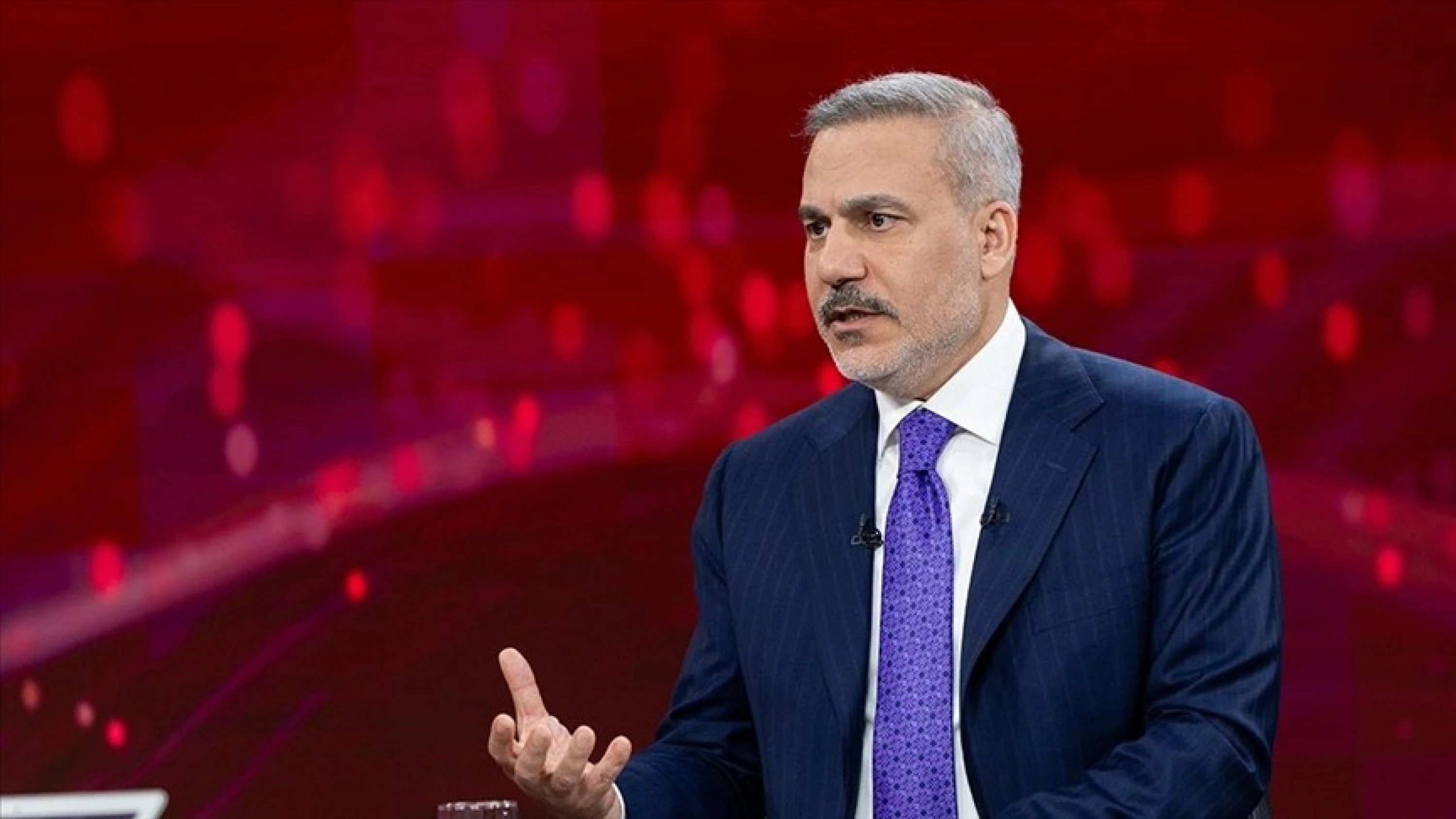
ERBIL, Kurdistan Region of Iraq – Turkish Foreign Minister Hakan Fidan on Saturday accused Kurdish-led forces in Syria of resisting dialogue and maintaining a “steel core position” that only yields to force, insisting that the “parallel” government structure in conflict-wracked Aleppo will soon be ended and a single state established.
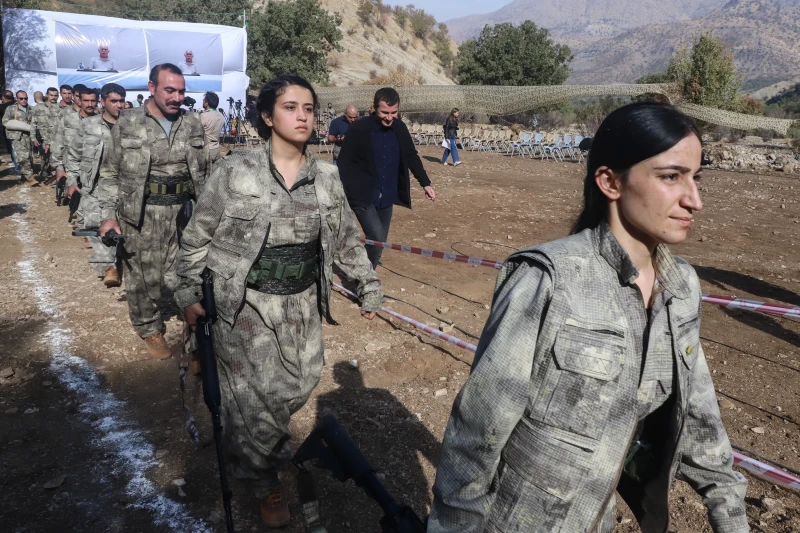
Clashes between Damascus-affiliated forces and Kurdish-led security forces (Asayish) have wracked Aleppo’s Kurdish-majority Sheikh Maqsoud and Ashrafiyeh neighborhoods in recent days, with tens of people having been killed so far and hundreds of others displaced.
The Asayish in Aleppo on Friday evening said that forces affiliated with the Syrian government have launched an “intense” bombardment campaign targeting Sheikh Maqsoud, shortly after the Syrian Army declared the neighborhood a “closed military zone.”
“They are communicating with the SDF [Syrian Democratic Forces], they are communicating with the Syrians, but unfortunately, as we predicted from the beginning, there has been no change here, and unfortunately, we have now begun to experience the process that started in Aleppo,” Turkish Foreign Minister Hakan Fidan told state broadcaster TRT during an interview aired on Saturday.
“I believe that the process will hopefully end soon, the parallel structure there will be eliminated, and the moment will come when a single state will begin to serve all its citizens in Aleppo, regardless of their ethnicity, through a single state institution,” Fidan said.
“That is what should happen."
He further noted that the SDF “has no chance of achieving anything through dialogue without force or the threat of force,” adding that “it will either face force or the threat of using force."
He accused the Kurdish-led forces of claiming to support agreement and dialogue, “but in reality [they] do the exact opposite, maintaining a steel core position that doesn't budge an inch, only changing its position when it encounters force or when force is applied.”
Baqi Hamza, a member of the Syrian Democratic Council’s (SDC) foreign and general relations committees, told The New Region on Friday that Turkey played a role in the attacks, claiming they were coordinated with Ankara.
“This attack comes with the Turkish armed forces deploying units in northern Aleppo, indicating that this attack was not random but in agreement with the Turkish regime,” he said.
Speaking to The New Region on Friday, Farid Saadoun, a Damascus-based Kurdish writer and political analyst with a PhD in literary criticism, echoed Hamza’s claim of Turkish involvement and said the fighting will be contained, otherwise risking a large civil war.
Tensions are inextricably linked to the lack of implementation of a March 10 agreement between SDF chief Mazloum Abdi and Syria’s President Ahmed al-Sharaa. The agreement would see the Kurdish-led forces and institutions in northeast Syria (Rojava) brought under the auspices of the Syrian state, but its implementation has stalled over the past year due to sporadic clashes between the two sides.
In December, Fidan warned of possible military action and that Ankara is running out of patience with the Kurdish-led forces over the integration process.
The failure to implement the agreement has empowered the Syrian state forces to conduct frequent attacks, accusing the Kurdish-led forces of harboring a separatist agenda.
The SDF and other apparatuses of the administration, meanwhile, maintain serious reservations regarding Damascus' centralizing drive and its treatment of the country's ethnic and religious minorities.
While the SDF has denied involvement in the fighting, a source told The New Region on Friday that reinforcements from SDF-controlled territories were making their way to Aleppo to assist their compatriots.
 Facebook
 LinkedIn
 Telegram
 X
X