ERBIL, Kurdistan Region of Iraq – Syria's foreign ministry on Saturday extended its gratitude to international and regional actors, including President Masoud Barzani, for their role in promoting stability, amid ongoing altercations in Aleppo's Kurdish-majority neighborhoods.
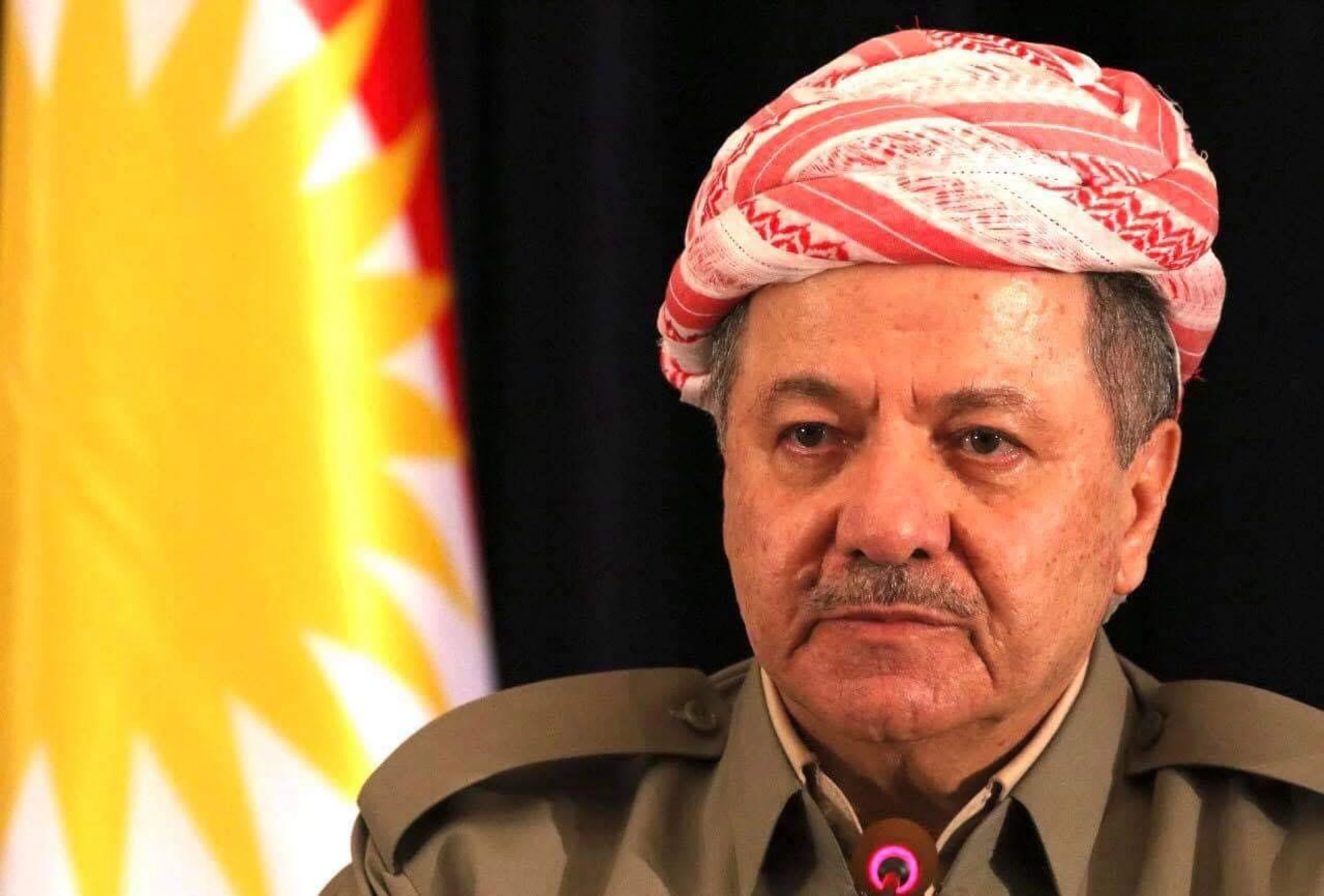
The ministry voiced its appreciation to “the United States of America, the Kingdom of Saudi Arabia, the State of Qatar, the Republic of Turkiye, the French Republic, the United Kingdom, and Mr. Masoud Barzani, for their active and constructive role in supporting Syria's stability and ... contributing to the strengthening of security and peace across the region as a whole.”
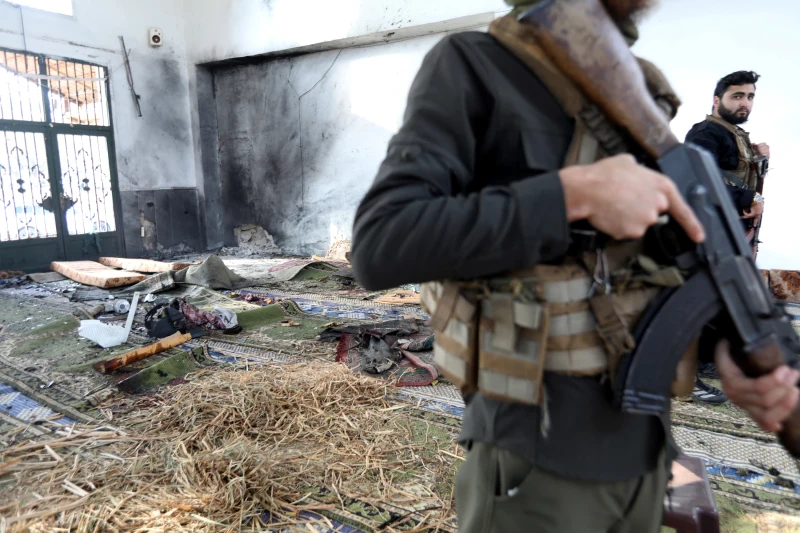
The statement comes amid clashes in the Kurdish-majority neighborhoods of Sheikh Maqsoud and Ashrafiyeh in Aleppo, with Syrian state-affiliated forces launching an operation to drive Kurdish-led internal security (Asayish) out of the area.
Clashes still continue, despite Damascus announcing a halt in the operation on Saturday afternoon.
President Barzani on Friday held a phone call with Syrian President Ahmed al-Sharaa to discuss the clashes, with the two stressing the need to ensure the rights of Syria’s Kurds and all other components.
The two leaders discussed “the latest political developments in Syria and changes in the region,” emphasizing the “importance of stability and joint coordination,” according to a statement from Barzani Headquarters on Friday.
Prior to his discussions with Sharaa, Barzani on Wednesday warned that the attacks on the two neighborhoods poses “a threat of ethnic cleansing against Kurds in that area,” calling on Syrian authorities to not turn political disputes into an ethnic conflict.
The Kurdish leader urged Damascus not to allow issues in Aleppo to subject Kurdish citizens to “pressure, oppression, expulsion from their ancestral homes, and ethnic cleansing.”
Barzani also held a phone call with US Special Envoy to Syria Tom Barrack, with the pair stressing that “every effort must be made to ensure that tensions and complications come to an end, that the situation is normalized, and that serious steps are taken toward achieving security, stability, and peace,” accoring to a statement from Barzani Headquarters.
The Syrian foreign ministry said that the operation was carried out “in line with the Syrian state's commitment to transparency, the rule of law, and the principles of non-discrimination, with the aim of restoring public order and protecting civilians,” alleging “repeated violations” of an April 1 agreement with the Kurdish-led Syrian Democratic Forces (SDF), “including armed attacks launched from within the two neighbourhoods against residential areas” of the city.
The SDF has denied its presence in the two neighborhoods, maintaining that the force had left the city to the jurisdiction of internal Kurdish-led Asayish units. The UK-based Syrian Observatory for Human Rights (SOHR) has corroborated SDF’s claims.
"This intervention does not constitute a military campaign, does not entail any demographic change, and does not target any population group on ethnic or religious grounds. It was limited exclusively to specific armed groups operating outside any agreed security framework,” the foreign ministry said, despite reports of tens of casualties amid the clashes and the displacement of thousands more.
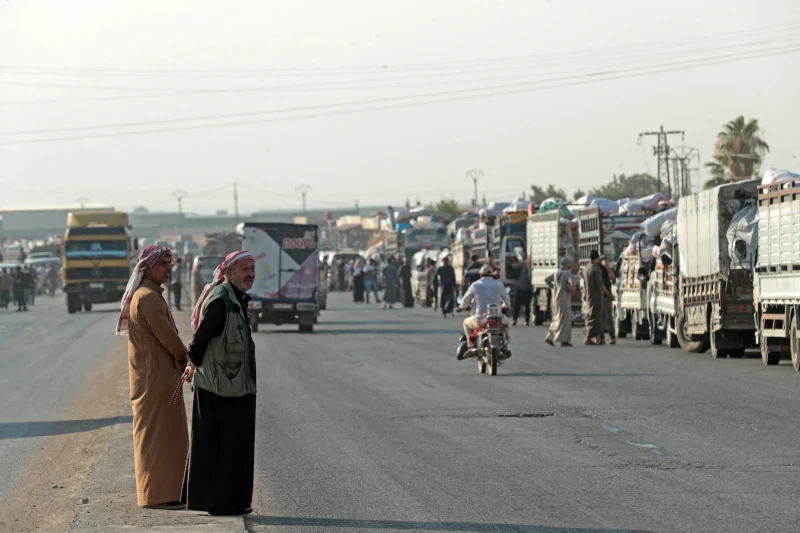
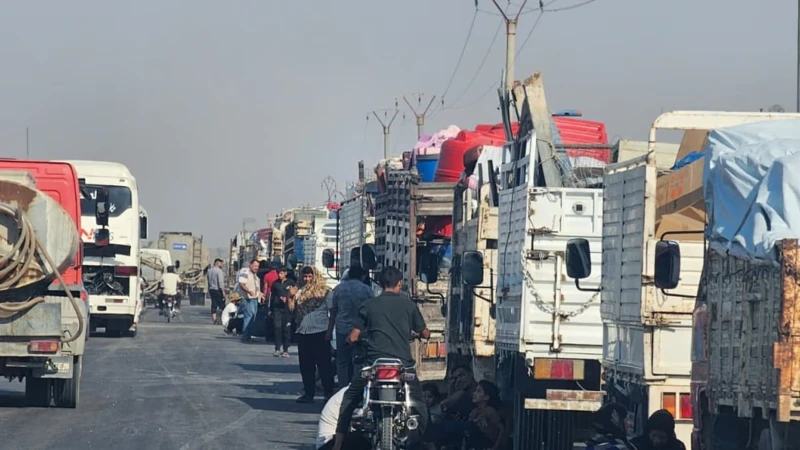
The operation has led to some 155,000 people being displaced from the city's two Kurdish-majority neighborhoods, Aleppo Governor Azzam al-Ghareeb said at a press conference on Saturday.
 Facebook
 LinkedIn
 Telegram
 X
X