ERBIL, Kurdistan Region of Iraq - Turkey's pro-Kurdish People's Equality and Democracy Party (DEM Party) on Sunday slammed Turkish authorities, specifically Foreign Minister Hakan Fidan and the country's National Defense Ministry, for playing a negative, escalatory role in the recent clashes in Syria's Aleppo.
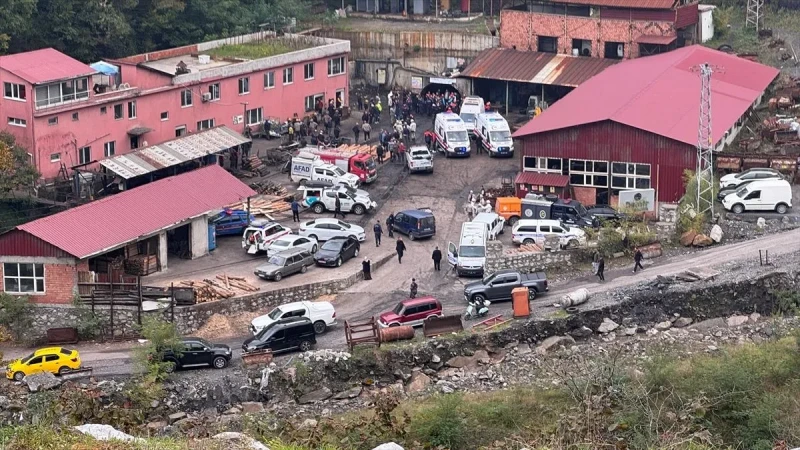
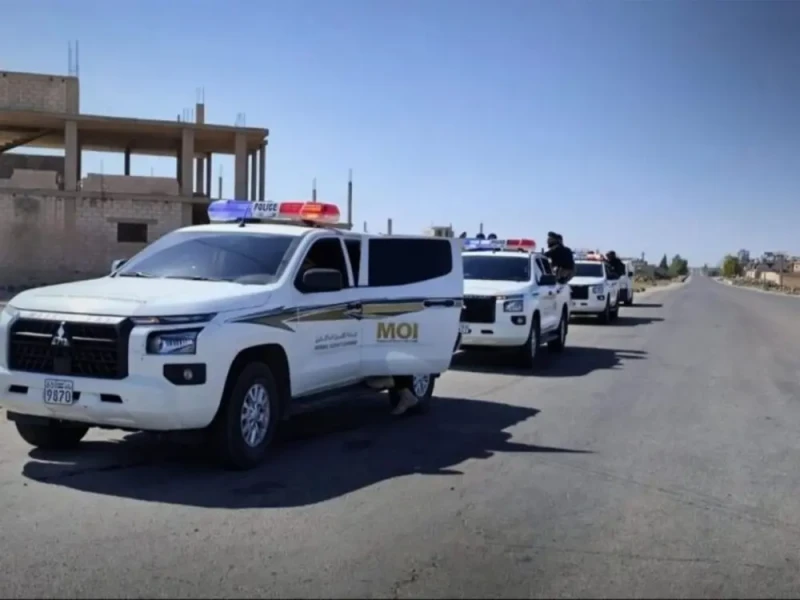
After six days of constant clashes between Damascus-affiliated groups and Kurdish-led internal security (Asayish) in Aleppo, in an operation by the former to drive the latter out of the neighborhood, a partial ceasefire was reached between the two sides on Saturday. The altercations saw several recorded casualties on both sides.
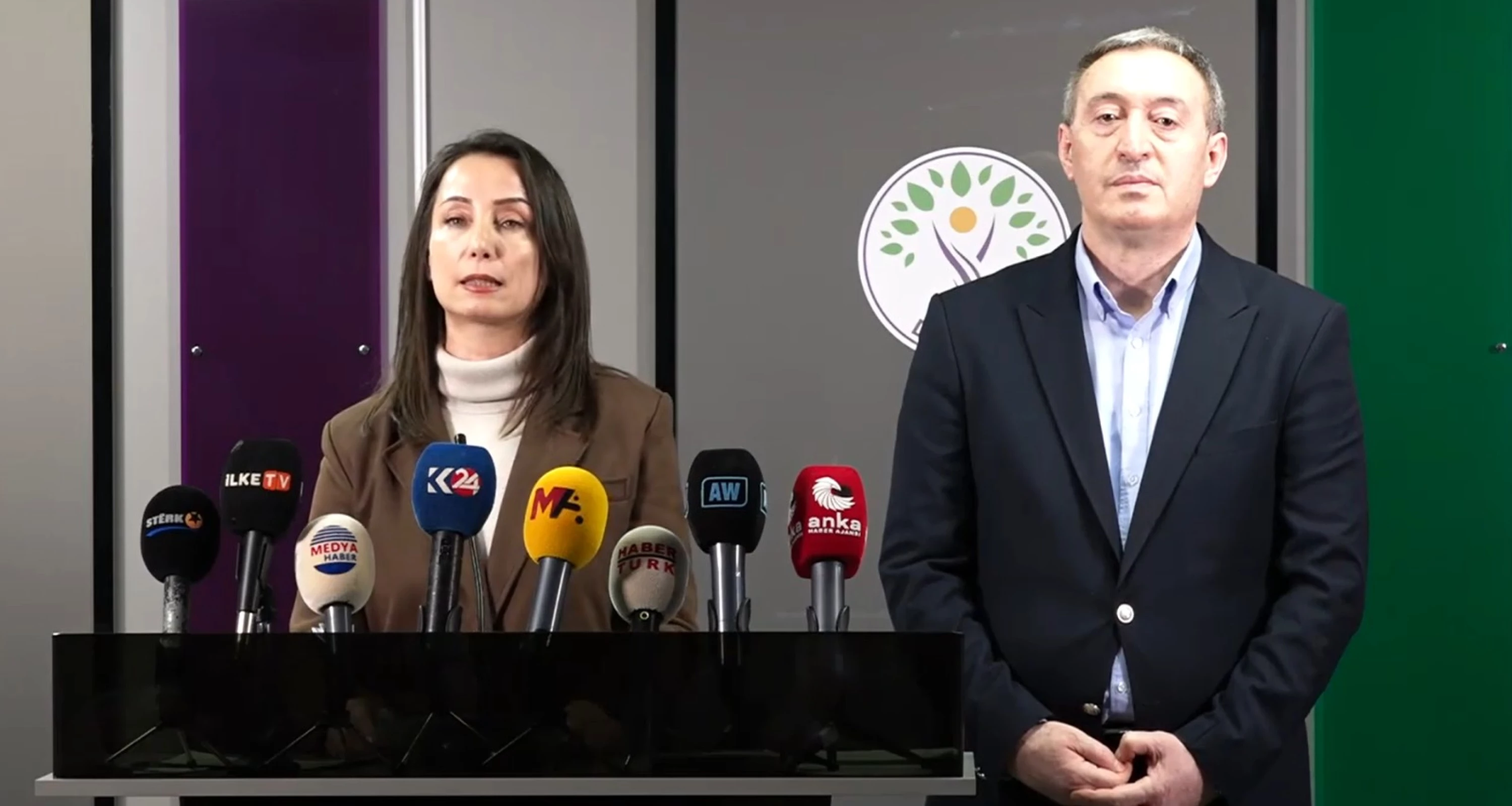
The DEM Party's Co-Chairs Tulay Hatimogullari and Tuncer Bakirhan held a press conference on Sunday to address the developments in Syria, particularly pointing the finger at Turkey's leadership for contributing to the conflict.
"The attacks on Sheikh Maqsoud and Ashrafieh are clear crimes against humanity. The March 10 Agreement, which the [Damascus] regime frequently mentions, has been trampled upon with every bomb dropped and every bullet fired in Aleppo," Hatimogullari said, referencing a March agreement to integrate Kurdish-led forces into the Syrian state apparatus.
Addressing the Turkish National Defense Ministry, Hatimogullari asked for ceasing "the rhetoric that escalates tension immediately. These statements encourage these attacks."
"Every irresponsible sentence uttered about Syria returns to Sheikh Maqsoud and Ashrafieh as bombs and bullets," the DEM Party co-chair warned.
Turkey has adopted a harsh tone with Kurdish-led forces in Syria, particularly the Syrian Democratic Forces (SDF), who are viewed by Ankara as an offshoot of its domestic foe, the Kurdistan Workers' Party (PKK).
Turkish Foreign Minister Hakan Fidan on Saturday accused Kurdish-led forces in Syria of resisting dialogue. He told Turkey's state broadcaster TRT that the SDF “has no chance of achieving anything through dialogue without force or the threat of force,” adding that “it will either face force or the threat of using force."
DEM Party's other co-chair Bakirhan meanwhile, turned to the Turkish foreign minister, posing, "Are you a diplomat or a soldier? Do you speak from the corridors of diplomacy or from an operations room?"
Bakirhan said that Fidan's "expressions like 'they will see either power or the threat of power' is the language of conflict, not diplomacy," dubbing it "an attempt to suppress the will for peace rising from Imrali on the Syrian field."
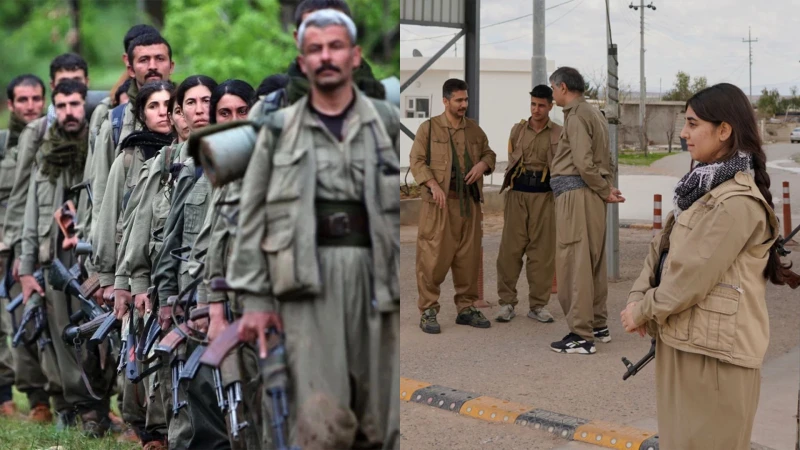
Turkey has been engaged in an arduous, slow-moving peace process with the PKK at home, owing to irreconcilable demands on both ends of the dialogue. The PKK in July started a disarmament process after a February address by its jailed leader Abdullah Ocalan, calling for an end to the decades-long armed struggle in favor of a political resolution.
The clashes in Aleppo have killed at least 80 people, with over a hundred injured and some 155,000 residents of the two neighborhoods displaced. The casualties include at least 38 Damascus-affiliated fighters, one Asayish member, and 43 civilians.
Caught in the midst of the conflict, the Khalid Fajr hospital in particular has borne the brunt of the altercations, having been subjected to repeated attacks by Damascus-affiliated forces, using "machine guns and drones," according to the UK-based Syrian Observatory for Human Rights (SOHR), which warned of a "potential humanitarian catastrophe" as citizens trapped in the hospital plead for help.
In the early hours of Sunday, the SDF announced reaching “an understanding that leads to a ceasefire” in Aleppo’s Kurdish-majority neighborhoods. Syrian state media reported that all Kurdish-led forces had evacuated the area.
The Kurdish-led Asayish said in a statement later that the Khalid Fajr hospital had been evacuated in light of the ceasefire, noting that "our forces will continue to fight without hesitation to protect the free will of our people and our dignity." "Our forces will continue their struggle by all means available," the Kurdish-led internal security said.
 Facebook
 LinkedIn
 Telegram
 X
X