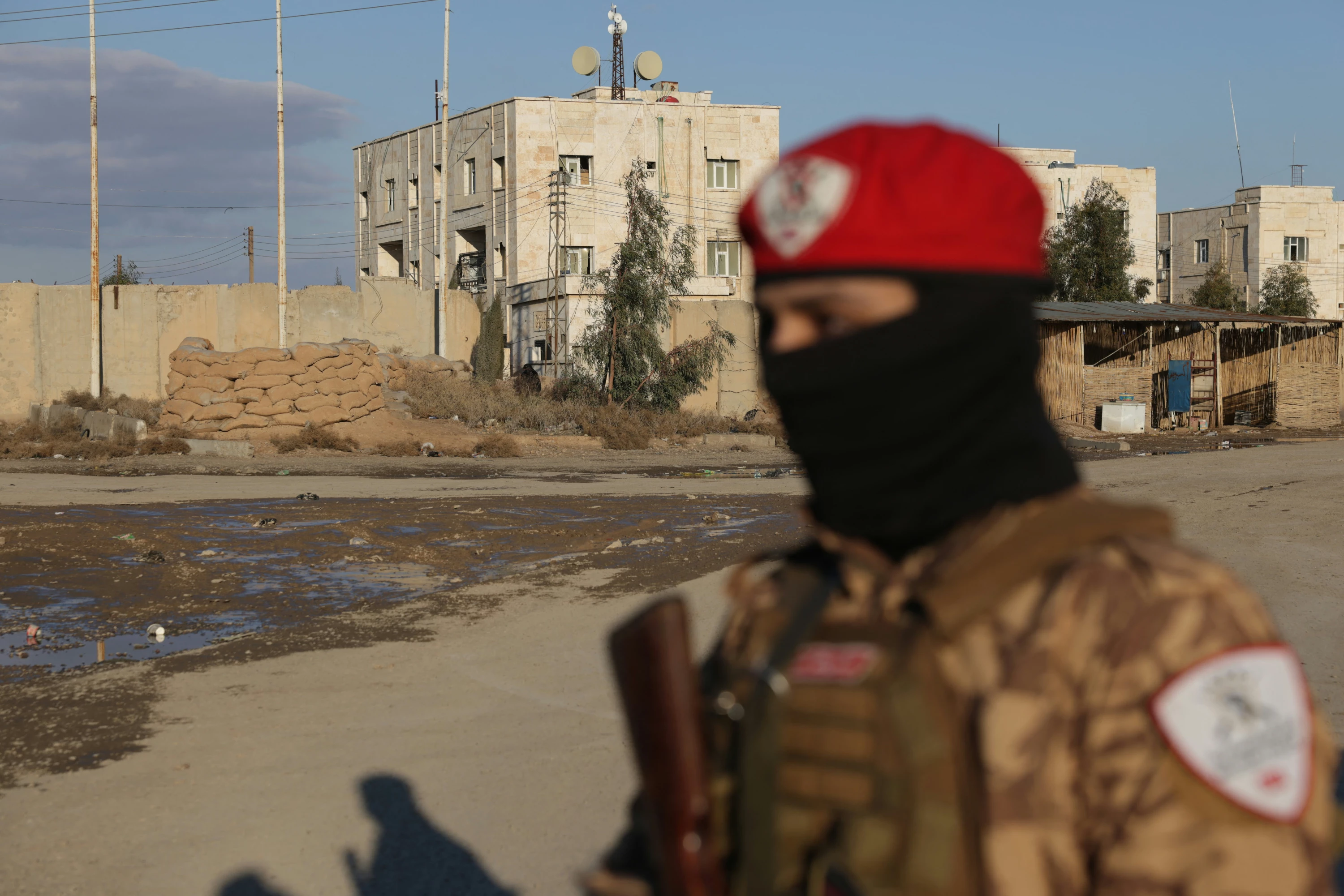
HALABJA, Kurdistan Region of Iraq – Damascus on Monday "categorically" rejected attempts to use terrorism as a pressure card with the international community, amid reports of Islamic State (ISIS) affiliated prisoners escaping and being released, as the Syrian government expands its offensive against Kurdish-led forces in northern Syria.
In a statement carried by Syrian state media, the information ministry dismissed an announcement by the northeast Syria (Rojava) administration that there had been an escape attempt at the notorious al-Hol camp, which holds thousands of ISIS members and their families, concurrent with an attack by Damascus-affiliated forces in the infamous camp's vicinity.
The Syrian government said that the autonomous administration's statement included "a number of fallacies and accusations aimed at misleading international public opinion and creating confusion," and "categorically" rejected any attempts to use the "terrorism file" as a political pressure card against the international community, conversely, accusing the Kurdish-led administration of taking advantage of it.
The Democratic Autonomous Administration of North and East Syria (DAANES), however, stated that “a number of families of the ISIS terrorist organization tried to flee the terror camp, in conjunction with attacks by the Damascus government factions,” adding that Kurdish-led security forces (Asayish) foiled the attempt.
"The organization is trying to create chaos inside the camp, and the internal security forces have thwarted the attempt to escape families," the administration said, quoting its chief of refugee affairs Sheikhmous Ahmed.
The clashing statements come as analysts voice concern over security compromises in the camps holding ISIS members, with Damascus expanding its offensive against Kurdish-led forces in Rojava, and various videos circulating online that purportedly show prisoners being set free as the prisons fall under Damascus control.
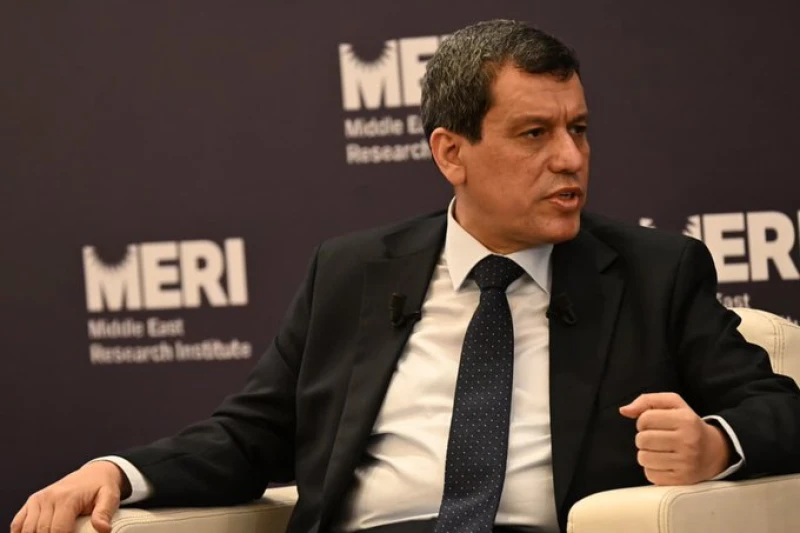
Attacks on the Kurdish-led forces have continued despite an agreement being announced on Sunday between Syrian interim President Ahmed al-Sharaa and Kurdish-led Syrian Democratic Forces (SDF) chief Mazloum Abdi, which included an immediate ceasefire on "all fronts." The agreement was later followed by the announcement of a ceasefire from the Syrian defense ministry.
The Kurdish-led SDF - considered Rojava's de facto army - and the Syrian army have traded blame over security compromises in the prisons.
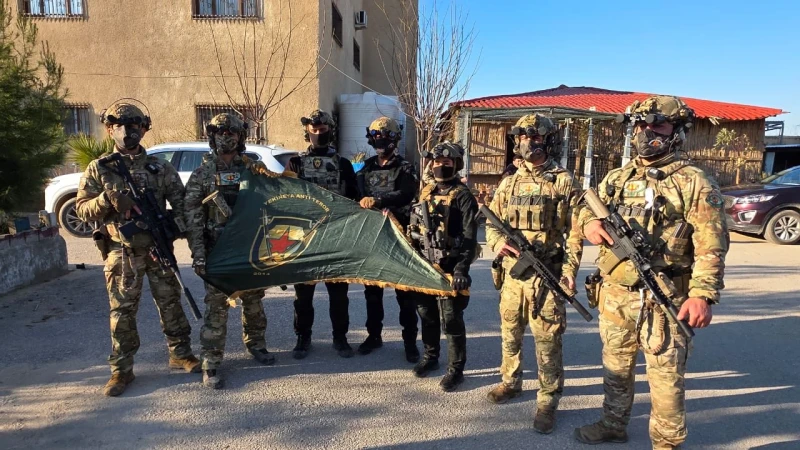
After several hours of clashes in Hasaka with the Syrian army, the SDF said that it had lost control of the province's al-Shaddadi prison on Monday evening. The prison houses some 1,500 ISIS-affiliated individuals, according to the Syrian Observatory for Human Rights (SOHR).
The Kurdish-led force has been responsible for several key sites holding ISIS prisoners for the better part of a decade. The SDF has been the primary ally of the US-led Global Coalition against ISIS in Syria, and it led the charge in defeating the jihadist group in 2019.
Sharaa, meanwhile, led a rebel offensive to topple former President Bashar al-Assad. Sharaa at the time was the head of Hayat Tahrir al-Sham (HTS), an extremist jihadist faction that was the successor of the al-Qaeda-affiliated al-Nusra Front.
HTS was recognized as a terrorist group by the UN Security Council, while the current Syrian president himself was the subject of a US government bounty worth $10 million.
The altercations follow weeks of tensions and clashes between Kurdish-led and Damascus-affiliated forces. The exchange of fire started in Aleppo in early January, before spreading to Raqqa and Hasaka, leading to hundreds of thousands of Kurds fleeing their homes to seek shelter in Rojava's other cities. The violence has also sparked worries over attempts at massacres against Syria's Kurds.
Foza Alyusuf, a senior member of Rojava’s ruling Democratic Union Party (PYD), on Monday called on “Kurdistani forces to declare a general mobilization, because the Kurds in Rojava are facing the threat of genocide.”
"Despite the ceasefire declared by the Damascus government, it has not been adhered to. Clashes are ongoing in Shaddadi and Ain Issa. Therefore, our people must be vigilant and prepared for all eventualities," Alyusuf warned.
Turkish President Recep Tayyip Erdogan, a top Syria ally, hailed the Syrian Arab Army as clashes continued, claiming the army “successfully and carefully” avoided “provocations” with the SDF.
The SDF, however, continues to blame Damascus-linked factions for ceasefire violations amid heightened tensions.
 Facebook
 LinkedIn
 Telegram
 X
X