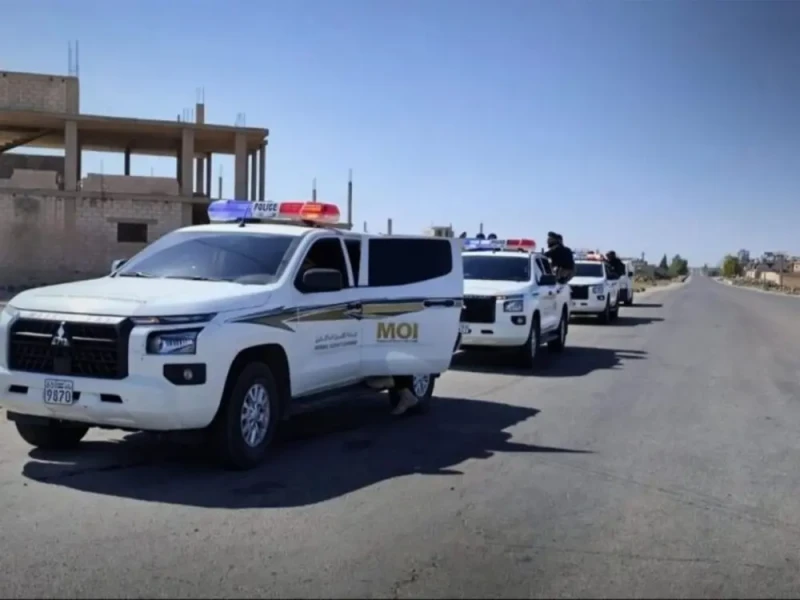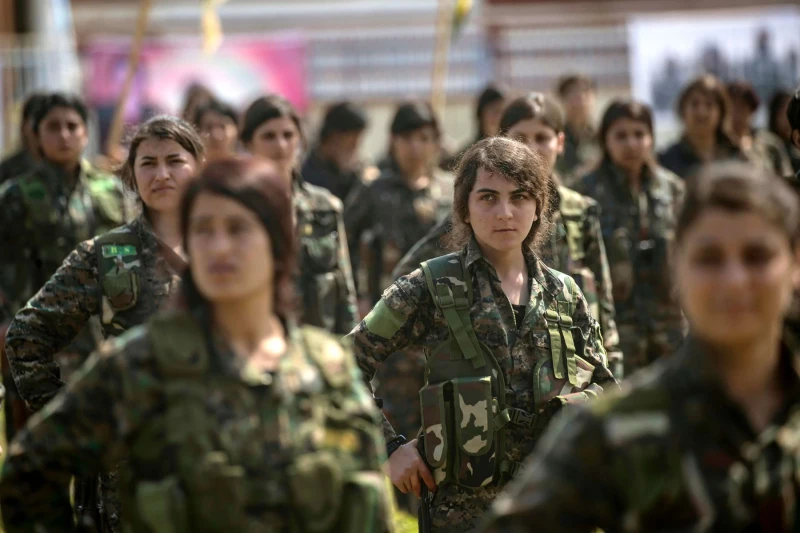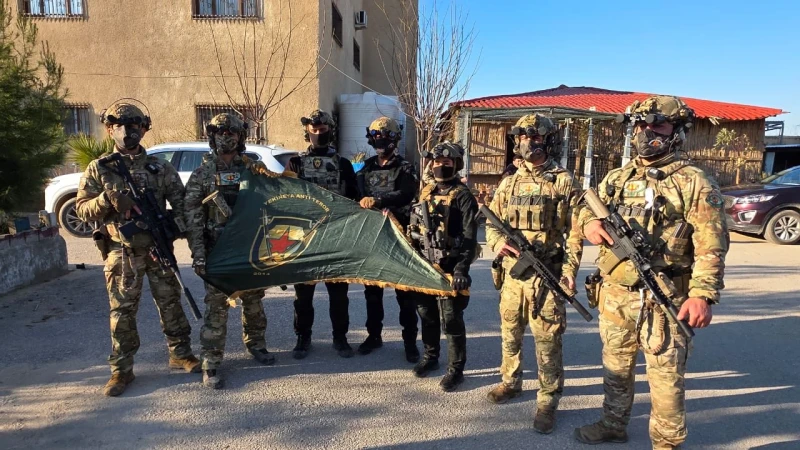
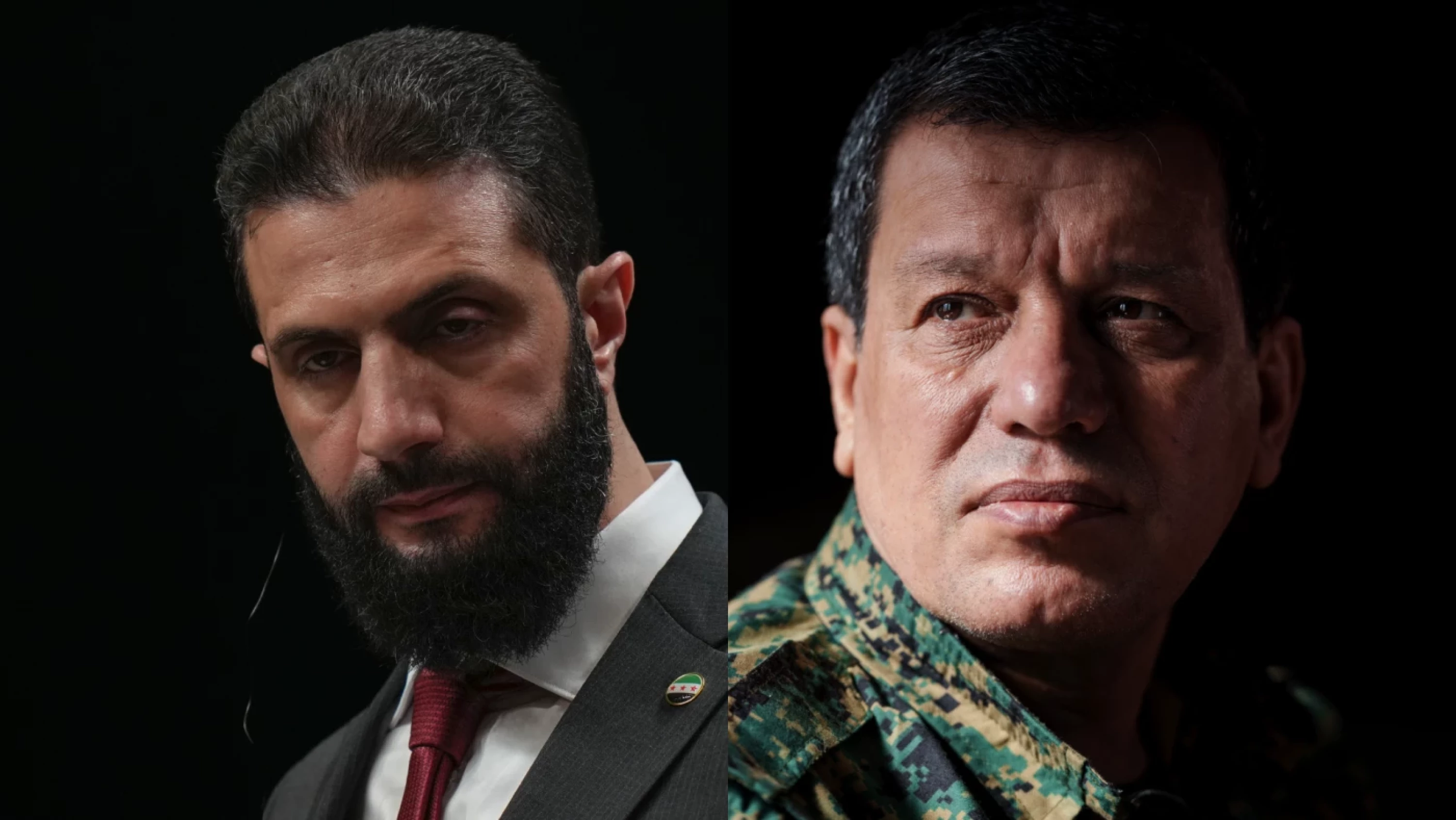
ERBIL, Kurdistan Region of Iraq – Talks between the Kurdish-led Syrian Democratic Forces (SDF) and the Syrian government in Damascus have “failed,” Syrian state TV said on Monday, with SDF chief Mazloum Abdi in the capital to meet interim President Ahmed al-Sharaa.
“Negotiations between the Syrian army and the SDF have failed,” state TV said, adding that clashes have subsequently broken out in the vicinity of an Islamic State (ISIS) detention facility in Raqqa province.
Shortly after, SDF head of media Farhad Shami said on X, “Anything for our nation, either a life with dignity or a martyrdom with honor.”
SDF chief Abdi traveled to Damascus to meet interim President Sharaa on Monday as tensions surged between the Kurdish-led force and Damascus-linked factions despite the signing of a 14-point Ceasefire and Full Integration Agreement the day prior.
The agreement includes the SDF’s immediate handover of Deir ez-Zor and Raqqa provinces to the Syrian government, with Damascus also set to take responsibility for ISIS prisoners in SDF-run facilities.
Sharaa’s former rebel faction, Hayat Tahrir al-Sham (HTS), spearheaded an offensive in December 2024 to oust former President Bashar al-Assad.
HTS subscribed to an extremist Islamist ideology and was rooted in al-Qaeda’s branch in Syria - the al-Nusra Front.
The group was a designated terrorist organization by the UN Security Council, with Sharaa personally being the target of a US bounty worth $10 million, leading analysts to raise concerns about the Syrian army being in charge of the cells holding ISIS members.
Sunday’s ceasefire came after weeks of violence between Kurdish-led forces and Damascus-affiliated factions across areas west of the Euphrates, including Aleppo and Raqqa, with both sides trading blame over instigating the clashes.
 Facebook
 LinkedIn
 Telegram
 X
X