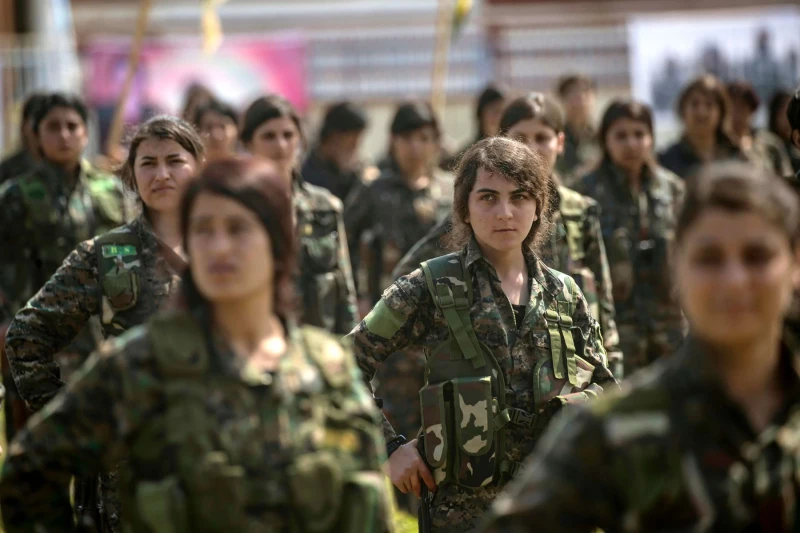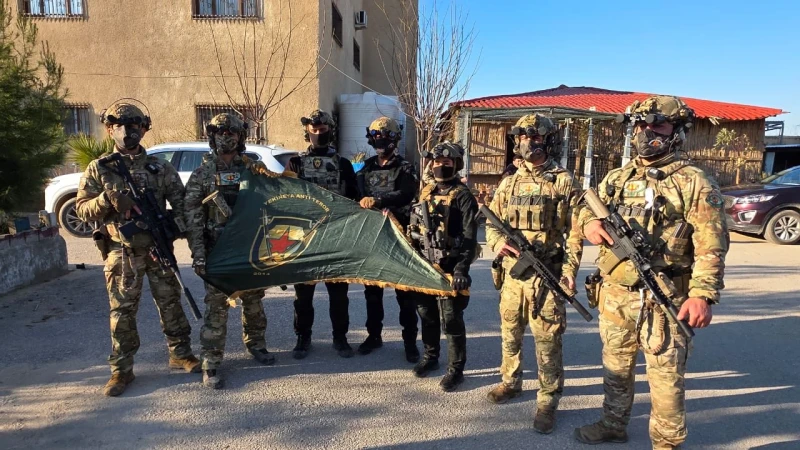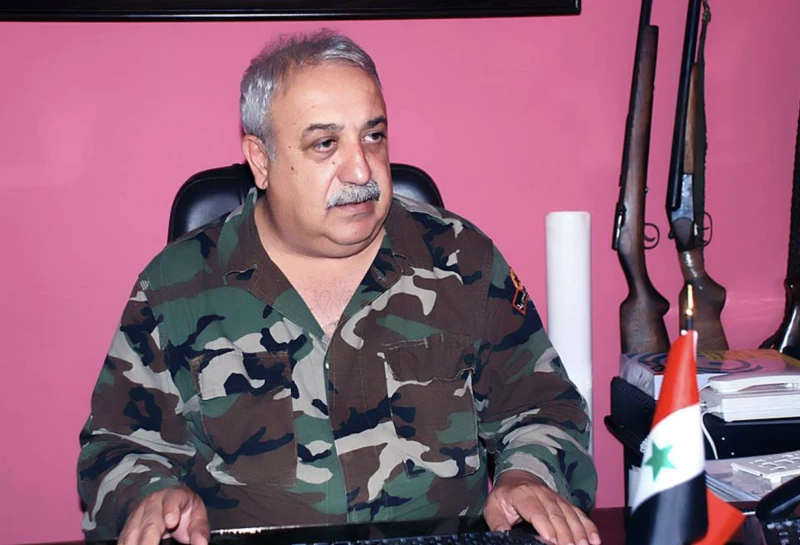
ERBIL, Kurdistan Region of Iraq – A senior Rojava (northeast Syria) official warned on Tuesday that attacks carried out by the Syrian Arab Army and Damascus-linked forces are aimed at “exterminating the Kurds,” accusing Damascus of violating a recently-brokered ceasefire.
Factions linked to the Syrian government are carrying out a large-scale military offensive in areas of northern Syria held by the Kurdish-led Syrian Democratic Forces (SDF), in a blatant violation of a ceasefire deal signed Sunday between Syrian interim President Ahmed al-Sharaa and SDF chief Mazloum Abdi.
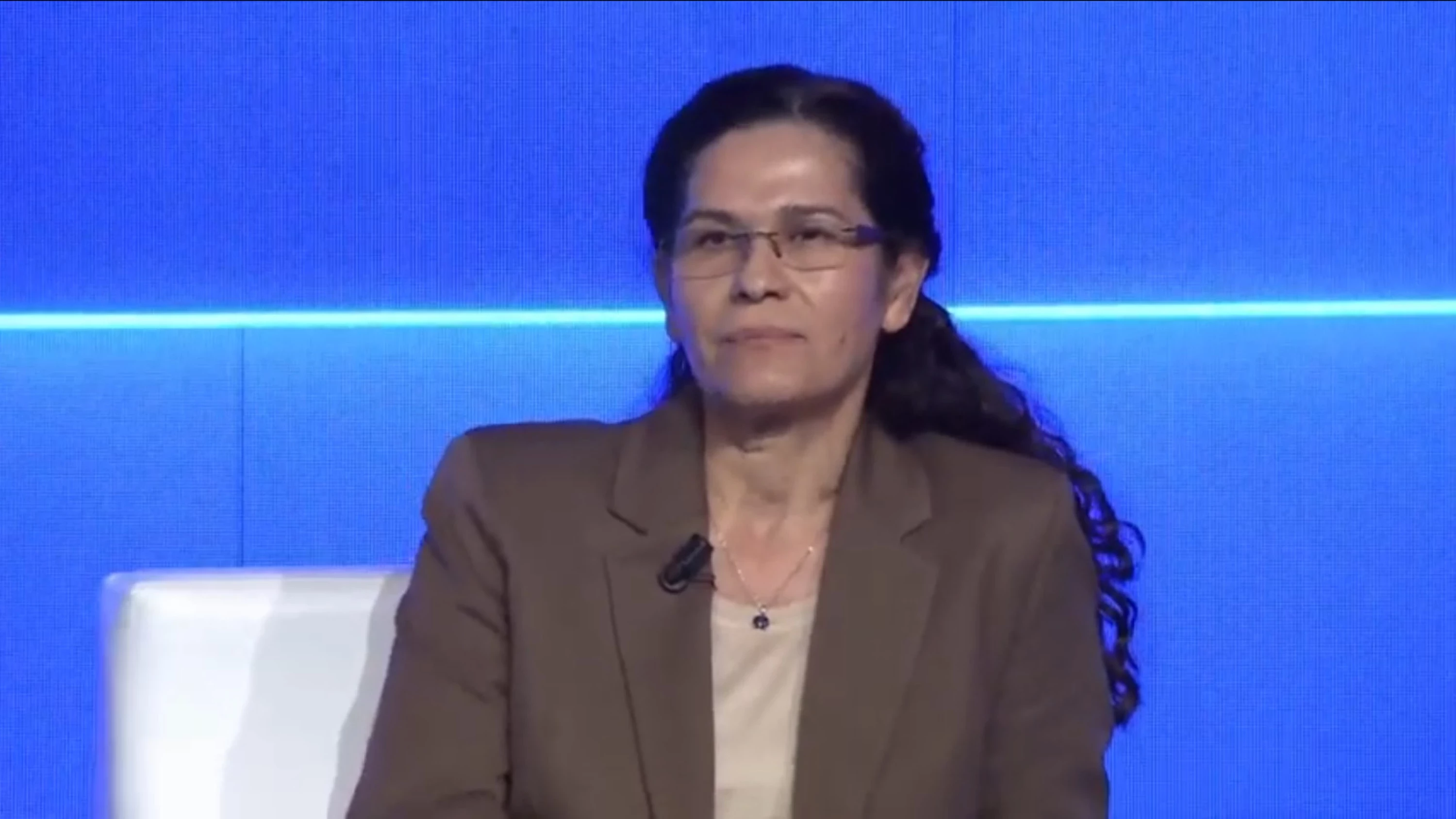
“The aim of these attacks is to exterminate the Kurds,” Elham Ahmed, foreign relations co-chair of the Rojava administration, warned on X.
The official asserted that Kurdish authorities attempted to prevent a further escalation of violence by signing an agreement on Sunday with US mediation, with its first point necessitating a general ceasefire.
The administration “asked for some time” to withdraw, a request that was not respected by Damascus, which “did not commit to the ceasefire.”
Per the agreement, the Kurdish-led forces were set to withdraw from Deir ez-Zor and Raqqa provinces. However, before the Kurdish forces managed to withdraw their troops from the area, they came under attack by the Damascus-affiliated factions.
This is not the first time the factions have failed to uphold an agreement with the Kurdish authorities. Days prior, they attacked SDF positions in Deir Hafer and Maskana cities west of the Euphrates, hours after Abdi agreed to withdraw as a gesture of “goodwill.”
The situation is more tense now with Kurdish-majority areas under threat of attack, mainly the symbolic city of Kobani, raising concern due to the factions’ history of sectarian violence, especially against Kurds, Druze, and Alawites.
Syria’s endowments minister on Sunday issued a directive calling on all mosques to pray for the “victory” of the factions, and citing a verse of the Sura Al-Anfal, a chapter in the Quran dealing with the spoils of war and armed conflict.
The same surah was used by the former Baathist government in Iraq as a pretext for the Anfal campaign, where more than 182,000 Kurdish civilians were killed by the regime.
Numerous videos circulating online show Damascus-linked fighters beheading, assaulting, and torturing SDF prisoners and civilians, including women, raising fears that the Kurdish population in Kobani could face a similar fate.
Ahmed hailed the people of Kobani, “who fought and defeated the most dangerous force in the world in 2014 with great resistance, and will continue to do the same resistance again,” referring to the defeat of the Islamic State (ISIS) in the city against all odds.
Civilians in Kobani and Qamishli have taken up arms and joined the Kurdish forces in the battle against Damascus-linked forces, and the SDF has called on all Kurdish youth in Iran, Kurdistan Region, and Turkey to “break the borders of the occupiers, and join the resistance.”
 Facebook
 LinkedIn
 Telegram
 X
X