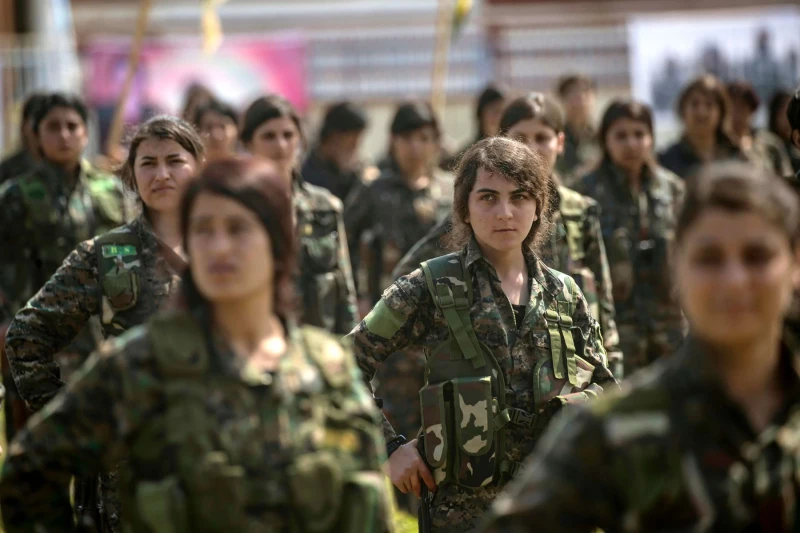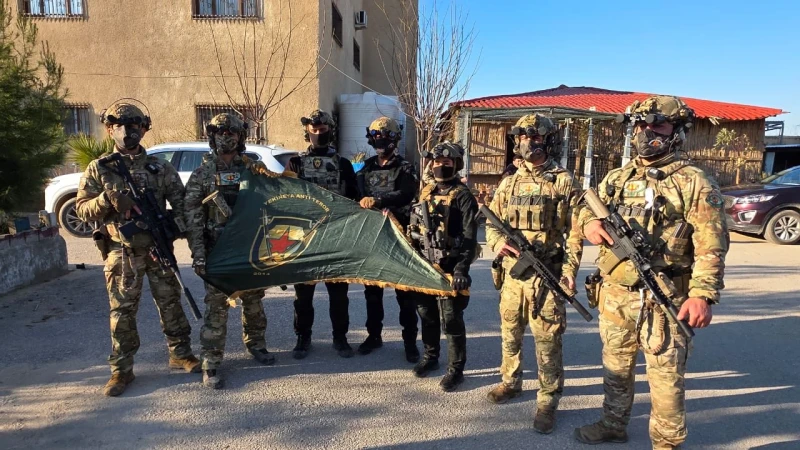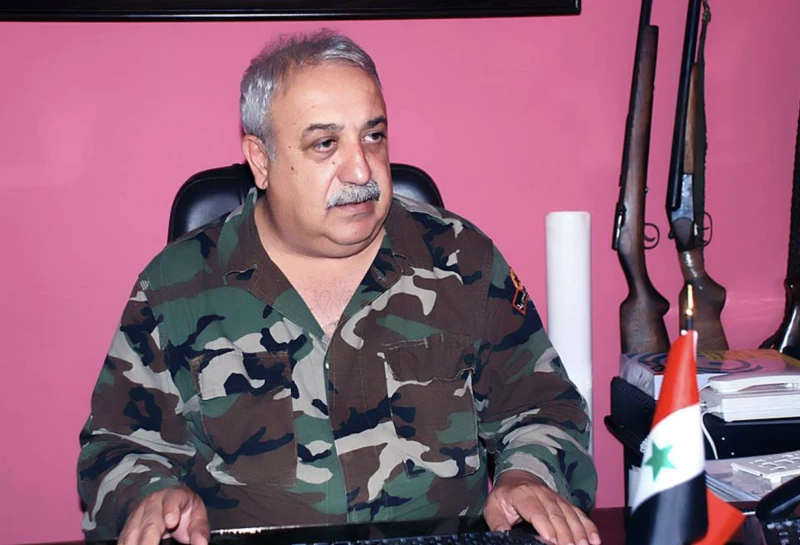

ERBIL, Kurdistan Region of Iraq – A top official in the Kurdish-led Rojava (northeast Syria) administration on Tuesday blamed "external interference" on Damascus, for drawing out their targeting of Kurdish forces in Syria.
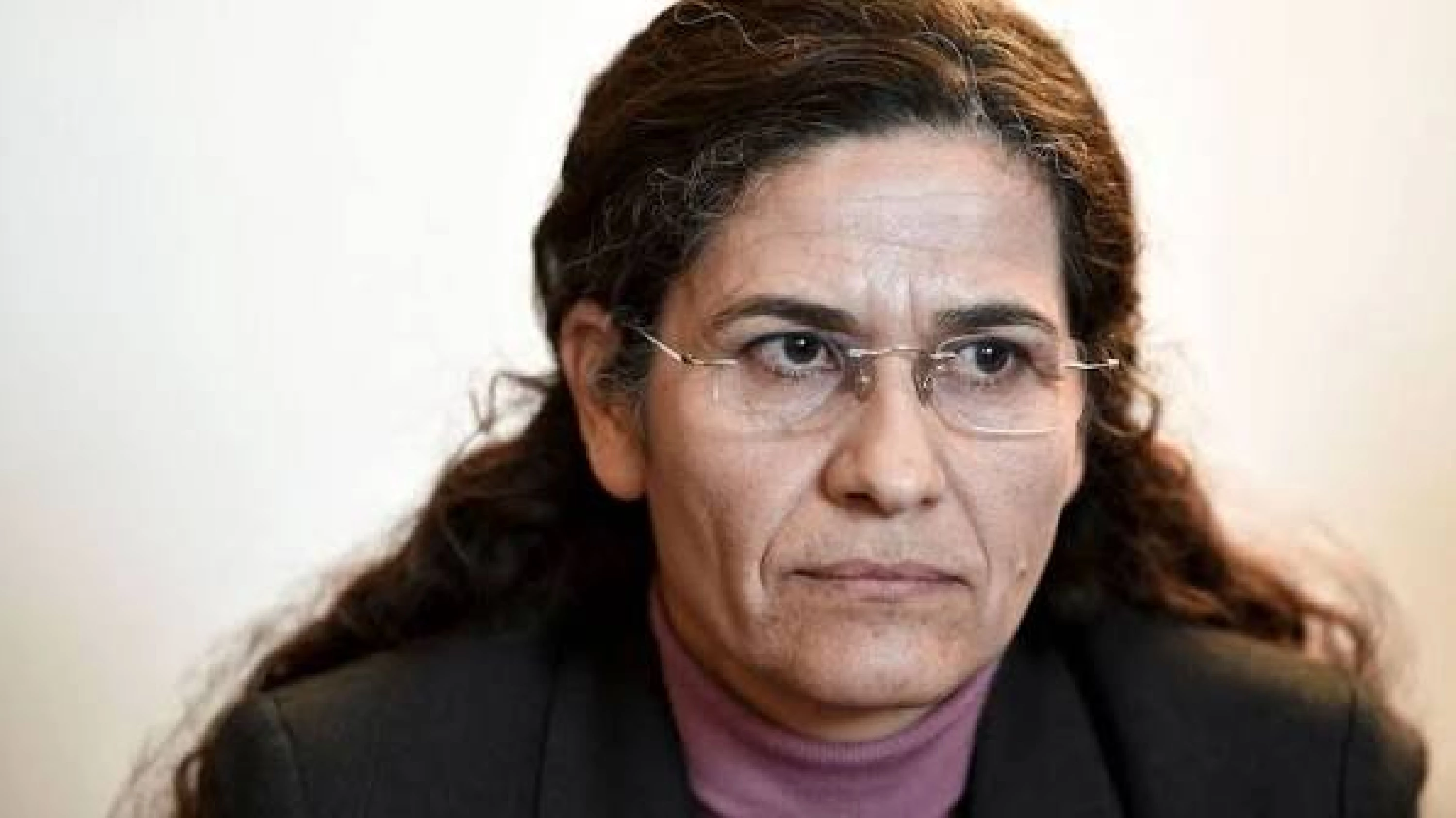
In a press briefing attended by The New Region on Tuesday, co-chair of the Rojava (northeast Syria) administration's foreign office Elham Ahmed said “external interference” on the Syrian government is causing the Syrian Arab Army and its affiliated factions to continue brutal attacks on Rojava, “no matter how much we tried to reach an understanding."
The top Rojava official said that Damascus has "gathered all of ISIS" within itself, telling The New Region that our community "does not trust them."
In the few weeks of the clashes between the Syrian government and Kurdish-led forces, several Turkish drones, armored vehicles, and license plates have purportedly been sighted, raising speculation on the involvement of Syria's northern neighbor in the hostilities.
Earlier on Tuesday, Turkey’s far-right politician Devlet Bahceli called for the “cleansing” of Rojava (northeast Syria), under the pretext of the existence of “terrorist activities” as the area undergoes intense attacks by Damascus-affiliated forces.
“East of the Euphrates, from Ayn al-Arab [Kobani] to Qamishli, where terrorist activities are active, must be eradicated, and the cleansing of the region must be implemented,” he said in a speech at the Turkish parliament.
Turkey views the People's Protection Units (YPG), which forms the backbone of Rojava's Kurdish-led Syrian Democratic Forces (SDF), as inextricably linked to its domestic foe, the Kurdistan Workers' Party (PKK), and therefore sees SDF as the PKK's Syrian offshoot.
“Clashes are ongoing around al-Hol town, as well as Shaddadi and Hasaka, and villages in Kobani,” Ahmed said. The Syrian army has "cut off electricity and water."
The SDF - considered the Rojava administration's de facto army - announced shortly after Ahmed's remarks that it had been "forced to withdraw" from al-Hol camp, a notorious hotspot housing several thousands of Islamic State (ISIS)-affiliates.
The renewed tensions come after a Monday meeting between Syrian interim President Ahmed al-Sharaa and SDF Commander Mazloum Abdi yielded no results, with a Kurdish official telling AFP that Damascus's "sole demand is unconditional surrender," calling on the international community to take a stance on the matter.
The two leaders' meeting came after a 14-point agreement was announced by Sharaa in Abdi's absence, with Syrian state media citing "weather" conditions for the Kurdish commander's inattendance.
The Syrian Arab Army's advances following the breakdown of talks have resulted in a security crisis, with hundreds of ISIS members being reportedly gaining their freedom in the messy handover of prisons between the two forces, with several footage across social media purportedly showing the Syrian army freeing the prisoners previously held by the Kurdish-led force.
 Facebook
 LinkedIn
 Telegram
 X
X