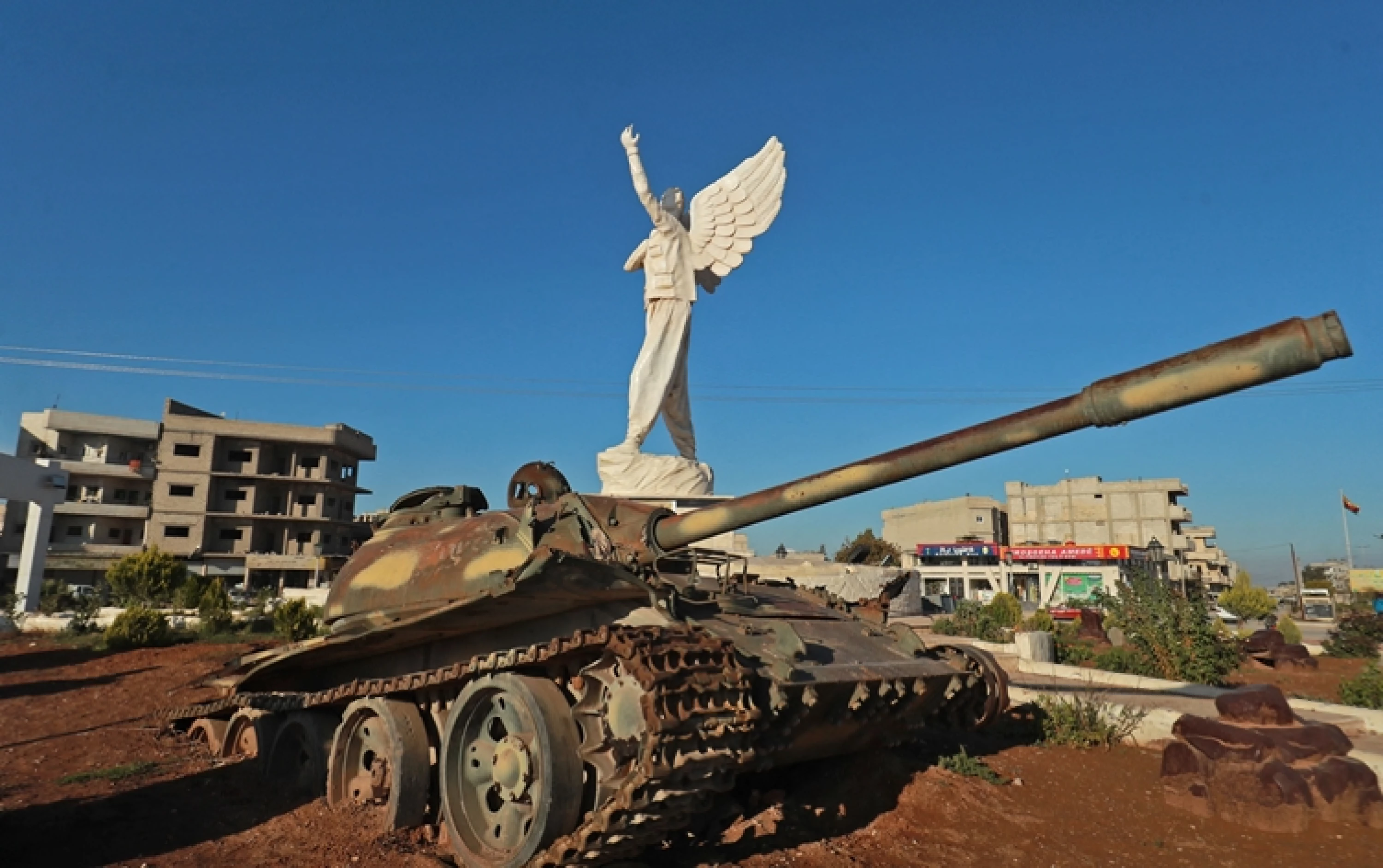
DERIK, Northeast Syria - The symbolic Kurdish city of Kobane in northern Syria is besieged and undergoing a “terrible” situation as attacks by Syrian government forces continue on the city, best known for its heroic resistance against the Islamic State (ISIS) in 2014. Kurdish fighters are left to fend for themselves this time, without US support.
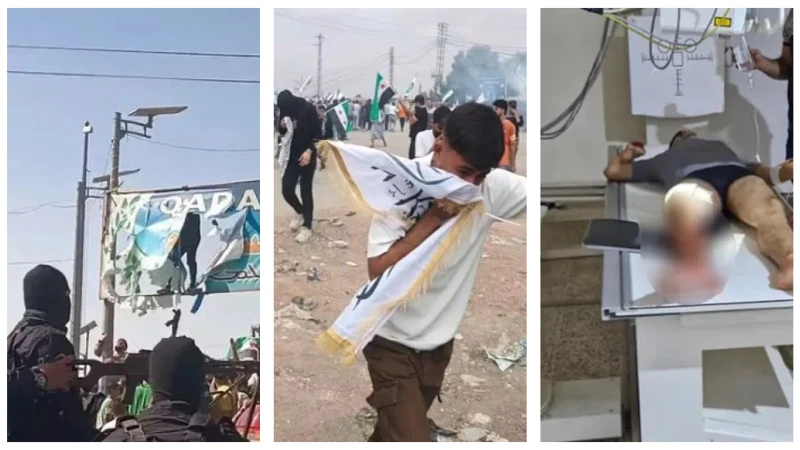
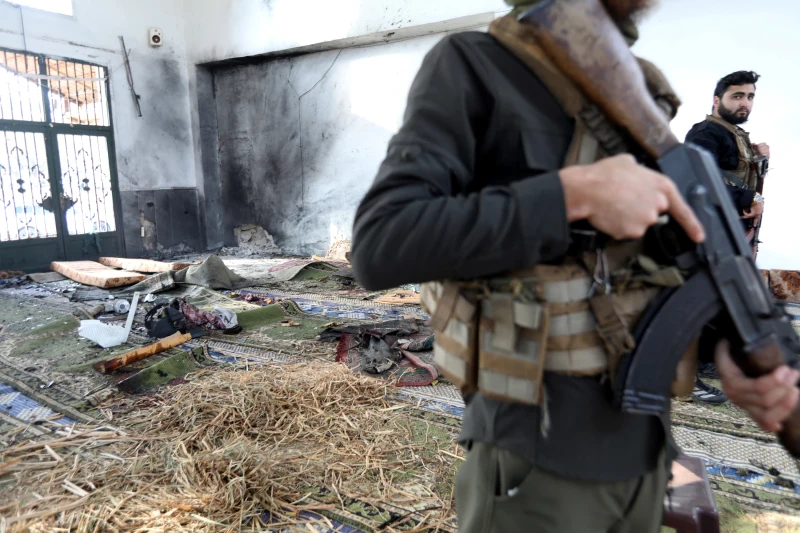
Kobane has been subjected to intense bombardment and shelling since the Syrian Arab Army and its affiliated factions blatantly violated a Sunday ceasefire between Damascus and the Kurdish-led Syrian Democratic Forces (SDF).
The attacks are threatening to sour the city’s heroic fight against ISIS in 2014, which saw the Kurdish People’s Protection Units (YPG) – supported by Kurds from Turkey and Kurdish Peshmerga forces from the Kurdistan Region – push back a last advance by jihadists against a pocket of resistance left in the city.
“The situation is terrible. We are under siege. Nothing can get in or out, no fruits and vegetables, no fuel, no water, and no electricity,” Riyad Osse, a Kobane resident, told The New Region on Tuesday afternoon. “No one came to help us [from across the border].”
Civilians in Kobane say that no Kurdish fighters crossed the border from Turkey’s border city of Nusaybin. During the fight against ISIS, hundreds of Kurds from Kurdish-majority southeast Turkey and Kurdish Peshmerga fighters from the Kurdistan Region, through an agreement, crossed the border to help, but this time, no help was on the way.
“We only have bread, but it seems it will be difficult to get it. We need support from Kurdistan, from President Masoud Barzani, from the international community,” Osse said. “Children are scared. [There are] no schools. We need help to break the siege.”
US Special Envoy for Syria Tom Barrack on Tuesday stated that “the greatest opportunity for the Kurds in Syria right now lies in the post-Assad transition under the new government led by President Ahmed al-Sharaa,” asserting that the need for the Kurdish-led SDF has now “expired” with Damascus now allied to Washington.
“This moment offers a pathway to full integration into a unified Syrian state with citizenship rights, cultural protections, and political participation— long denied under Bashar al-Assad’s regime, where many Kurds faced statelessness, language restrictions, and systemic discrimination,” he added.
In a Tuesday statement, the Syrian Presidency said that Syrian armed forces will not enter the centers of the cities of Hasaka and Qamishli and will remain on their outskirts, with discussions to follow on the timetable and details of the peaceful integration of Hasaka province, including the city of Qamishli.
However, Kobane was not mentioned in the latest statement, and clashes reportedly continued.
“At this moment, our forces—the Syrian Democratic Forces [SDF] and the Women’s Protection Units [YPG] —are repelling intense attacks launched by Damascus factions on the villages of Hamdoun, Qibah, and Ja‘da, south of the city of Kobane, in addition to thwarting attacks along the Al-Jallabiyah line southeast of Kobane. Clashes are ongoing,” the SDF said.
Shortly after clashes broke out again, the Kurdish-led SDF said they are in full “commitment to the ceasefire agreement reached with the government in Damascus.”
“We affirm that we will not initiate any military action unless our forces are subjected to attacks in the future,” the Kurdish-led force said.
According to the agreement published by Damascus last Sunday, Kobane would be a de-facto demilitarized zone, with the removal of heavy military presence from the city, the formation of a security force drawn from the city’s residents, and the retention of a local police force that is administratively affiliated with the Syrian interior ministry.
SDF chief Mazloum Abdi suggested a similar outcome for Kobane on December 17, 2024, over a week after the fall of the Assad regime.
However, Abdi on Monday returned back to Rojava (northeast Syria) after hours of failed talks between the Syrian government and the SDF delegation, following which heavy fighting broke out and the SDF called for the mobilization of Kurdish civilians and on other parts of Kurdistan to join the fight.
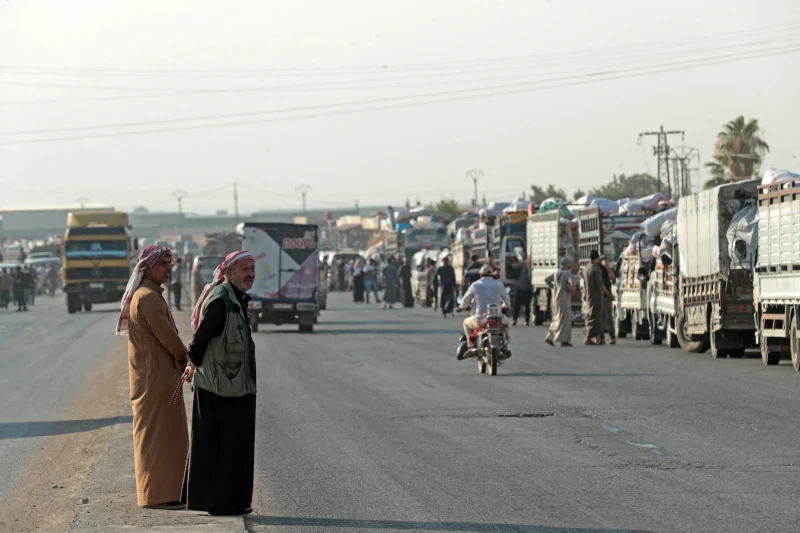
Another Kobane resident, who spoke anonymously for safety reasons, labeled the situation inside the symbolic city as “calm” but stressed that “there is a lot of displacement from the villages outside of the village. In all the villages of Kobane, there is a shortage of water, electricity, and it is really crowded.”
Berivan Issa, co-chair of the Humanitarian Affairs Office in Kobane, said that residents are “encircled by all sides with no electricity or water, no essential food, and no supplies.”
“The weather is very cold, goes below zero during the night. The only way to keep heat is using fuel and wood that are currently not reaching the city. Children in the city are so afraid,” she lamented.
“It is worthy to mention that Kobane has been receiving and hosting all IDPs from Afrin, Tabqa, Raqqa, Aleppo, and Tal Abyad [Gire Spi], and also from Kobane villages. The city is now very crowded with very low food and drink supplies,” she said.
Issa further warned that Kobane is not like other cities with “no way for civilians to leave.”
Damascus has given the SDF four days of ceasefire as talks over a possible integration continue.
However, Issa lamented that fighting is “still ongoing” in Kobane and its surrounding villages.
 Facebook
 LinkedIn
 Telegram
 X
X