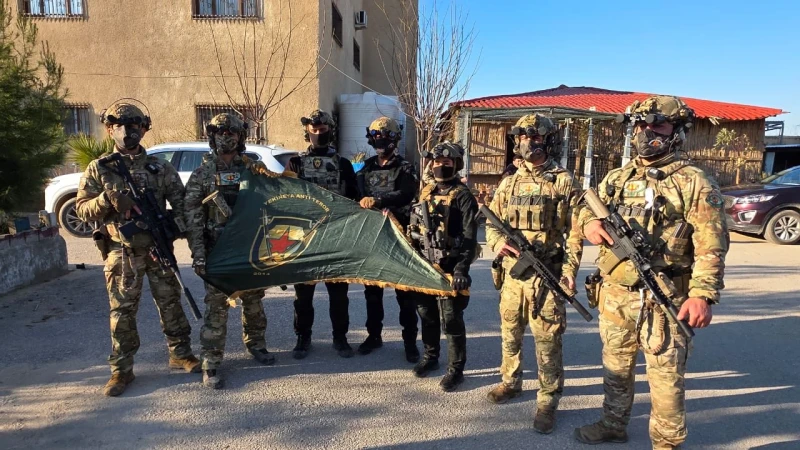
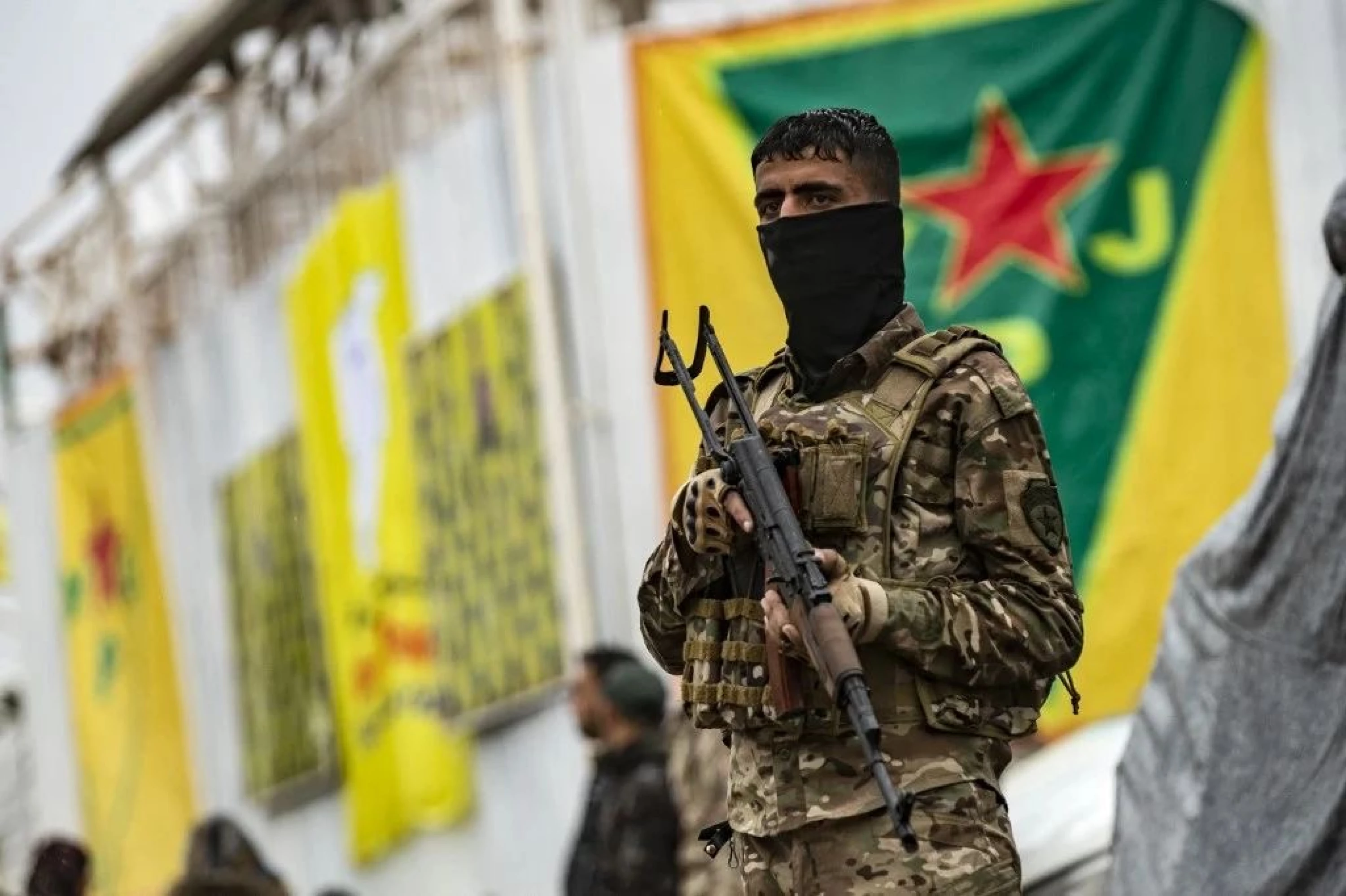
ERBIL, Kurdistan Region of Iraq - The Kurdish-led Syrian Democratic Forces (SDF) have retreated from Rojava’s (northeast Syria) Hasaka and Qamishli, and handed authority to local tribal forces under its umbrella, a senior member of its political wing told The New Region on Tuesday.
Kurdish-led and Damascus-affiliated forces have clashed heavily since since early January, with the latter launching a large-scale military offensive on SDF-held areas in Rojava, sparking outrage among the Kurdish community with people taking to the streets across the other three parts of Kurdistan and other countries.
“All the comrades - the soldiers of SDF have retreated from the bases in Qamishli and Hasaka and handed them over to the Sanadid [force] who are tied to the Shammar [tribe],” Baqi Hamza, a member of the Syrian Democratic Council's (SDC) foreign and general relations committees, told The New Region in an interview.
The al-Sanadid force is a militia formed by the Arab Shammar tribe to fight against the Islamic State (ISIS). The force operates under the umbrella of the SDF but remains largely independent.
In Shammari-majority areas of Hasaka like Tel Hamees, Tel Kochar [al-Yaarubiyah] and Tel Barak people started stealing and looting while the SDF retreated, Baqi added.
The Syrian Presidency said that Syrian armed forces will not enter the city centers of Hasaka and Qamishli and will remain on their outskirts, with discussions to follow on the timetable and details of the peaceful integration of Hasaka province, including the city of Qamishli.
Speaking to The New Region, Hamza hailed the support of other parts of Kurdistan and abroad.
“The support of the [other] three parts of Kurdistan and the world was a very positive moment. We hope that this moment becomes a reason for the beginning of a Kurdish national congress,” Hamza said, hoping that the congress will be led by President Masoud Barzani.
The SDC official also confirmed that Damascus forces had taken control of the notorious al-Hol camp earlier in the day, which houses thousands of ISIS family members and affiliates.
The Kurdish-led force has been responsible for several key sites holding ISIS prisoners for the better part of a decade. The SDF has been the primary ally of the US-led Global Coalition against ISIS in Syria, and it led the charge in defeating the jihadist group in 2019.
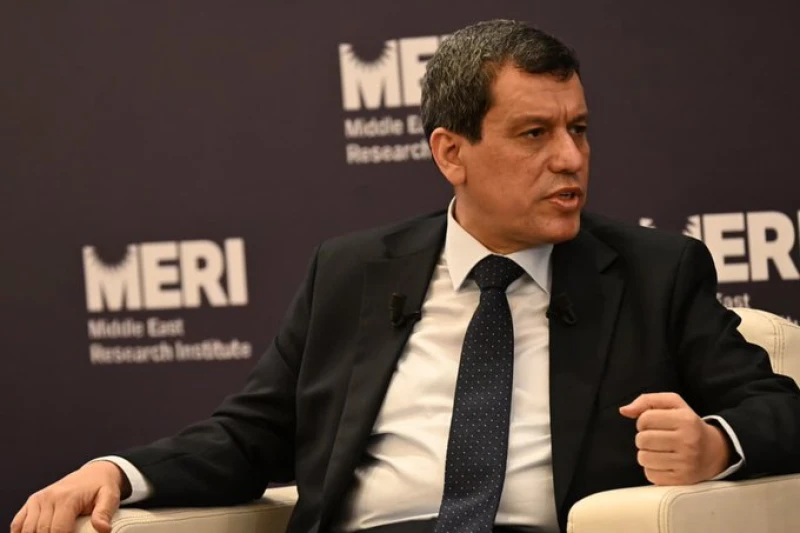
The recent escalations are integrally linked to a March 10 agreement signed by Sharaa and SDF chief Mazloum Abdi to integrate the force and Kurdish institutions into the Syrian state.
The agreement has been stalled because the SDF demands a democratic integration process while Damascus insists on its centralized rule.
The new authorities in Damascus have repeatedly been criticized for failing to protect minorities. While they call for decentralization, Sharaa strongly rejects it as separatism.
 Facebook
 LinkedIn
 Telegram
 X
X