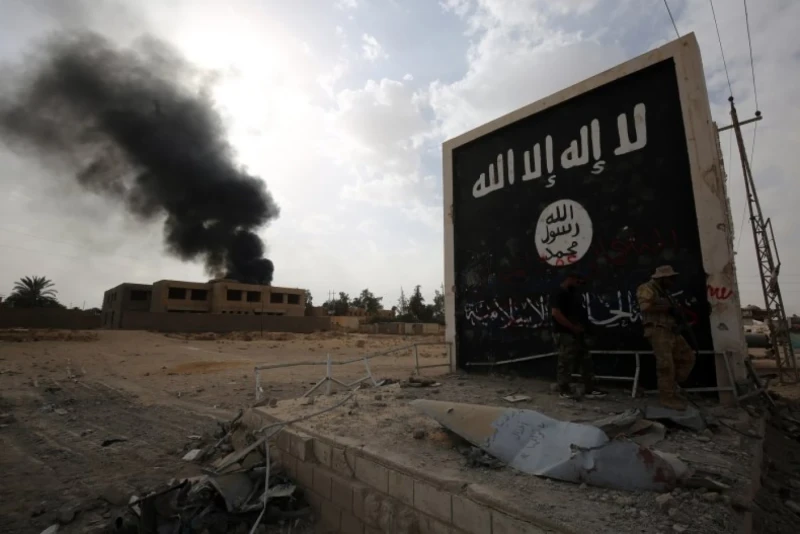
ERBIL, Kurdistan Region of Iraq – Amnesty International on Wednesday called on authorities in Damascus and Rojava (northeast Syria) to “secure and preserve” evidence of crimes committed by the Islamic State (ISIS) and to carry out a “human-rights-compliant screening process” in detention facilities in coordination with one another.
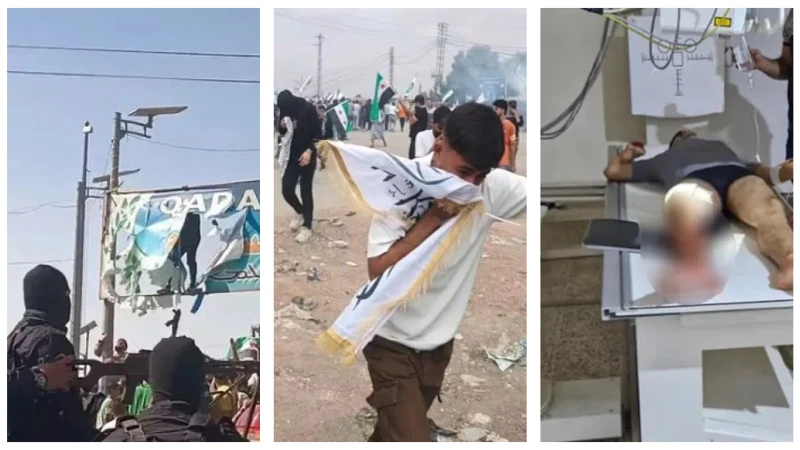
The Syrian Arab Army has waged a violent campaign on areas held by the Kurdish-led Syrian Democratic Forces (SDF) since early January, with Damascus-linked factions rapidly advancing toward Rojava despite several fragile ceasefires.
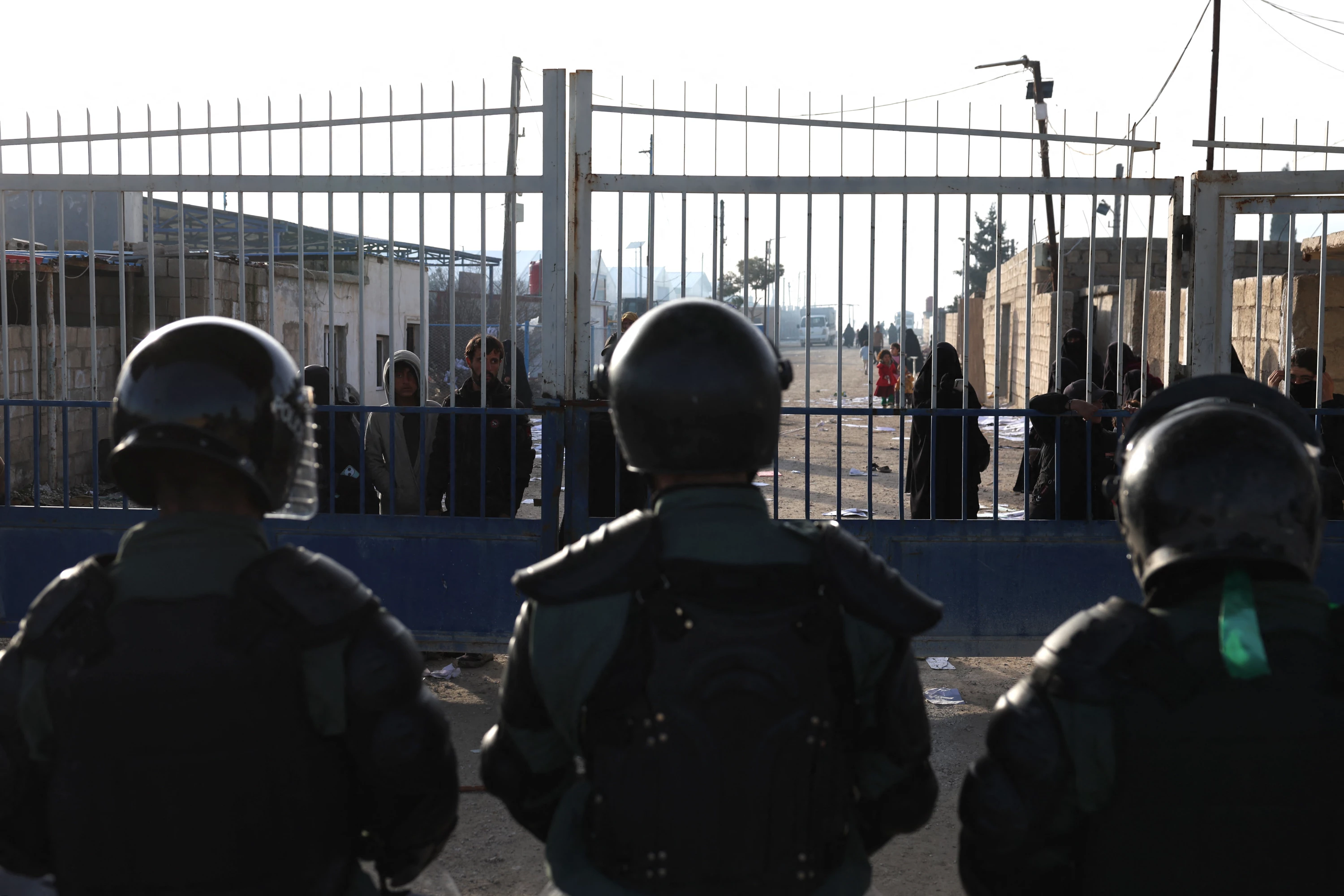
Damascus-affiliated factions have taken control of the al-Shaddadi prison and the al-Hol camp in Hasakah, while clashes reportedly continue at the al-Aqtan prison in Raqqa. The three sites house tens of thousands of ISIS members and their families.
The release of the detainees from these facilities has raised concerns of a potential reorganization of the terror group.
“The Syrian authorities, in coordination with AANES [Autonomous Administration of North and East Syria], must carry out a human-rights-compliant screening process in detention facilities and camps they now control,” said Kristine Beckerle, Amnesty International’s Deputy Regional Director for the Middle East and North Africa.
She said authorities should determine who should face prosecution under international or domestic law, who can be repatriated, and who should be released, adding that trials must meet international fair trial standards and avoid the death penalty.
Rojava and Damascus authorities must urgently secure and preserve evidence of ISIS crimes, including sites of atrocities and mass graves and documentary evidence in detention facilities, she added.
“Evidence of crimes left behind will be essential to establish the fate and whereabouts of the Syrians who have been disappeared by IS, as well as investigating and prosecuting the perpetrators of crimes under international law, including war crimes and crimes against humanity,” she said.
The watchdog said fighting in Syria has had devastating effects on civilians and urged all parties to respect international humanitarian law to prevent further suffering of civilians.
The clashes have continued despite several ceasefire attempts, the latest of which was announced by the Syrian defense ministry Tuesday evening, and took effect at 8:00 pm. Despite the truce, SDF reported several artillery shelling attempts by Damascus-affiliated factions.
The violence has killed roughly 1,000 combatants on both sides, a war monitor told The New Region on Wednesday.
 Facebook
 LinkedIn
 Telegram
 X
X