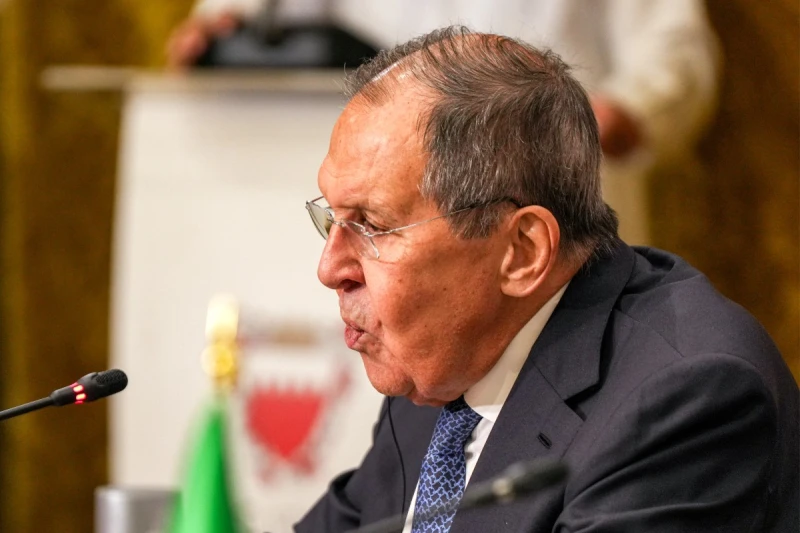
ERBIL, Kurdistan Region of Iraq – Iran’s prosecutor general on Friday denied claims made earlier by US President Donald Trump that Tehran had halted around 800 executions, calling the claim “completely false.”
“This claim is completely false; neither such a number exists nor has the judiciary made such a decision,” said Mohammad Movahedi Azad, Iran’s prosecutor general, as reported by state broadcaster IRIB.
Tensions between Iran and the US have intensified in recent weeks, with Washington warning Iran of potential attacks if it continues cracking down on protesters or expands its nuclear and missile programs, and Tehran responding with threats of retaliation.
The tensions reached their peak earlier in January when Trump canceled talks with Iranian officials and told protestors in Iran that “help is on its way,” with him later saying the killings had stopped.
“After witnessing the swift and decisive response of the revolutionary people of Iran on January 12, the unreasonable and arrogant US president has taken a shaky position and claimed to have prevented the execution of 800 people in Iran,” Azad said.
In an unconfirmed report, ship-tracking service MarineTraffic said the US Navy’s nuclear-powered aircraft carrier USS Abraham Lincoln and its accompanying carrier strike group have been redirected from the South China Sea toward the Middle East in recent weeks.
On Thursday, Trump said that Washington has a “massive fleet” headed toward Iran “just in case,” amid Tehran’s violent crackdown on protesters, with him saying “there’s a lot of killing going on.”
The remarks followed his earlier comments on Thursday, when he said talks with Iran would take place at Tehran’s request.
Since January 8, Iran has intensified its crackdown on protesters, cut communication services, and imposed a nationwide internet blackout, a repeated tactic during unrest that has made it significantly harder to obtain information.
Amnesty International on Friday warned that Iranian authorities are imposing a “suffocating militarization” in a systematic crackdown to hide protest massacres.
These measures include “sweeping arbitrary detentions, enforced disappearances, bans on gatherings, and attacks to silence families of victims,” according to the rights group.
Iran’s judiciary chief has ordered intensified cases against protesters labeled as “foreign plots” and “terrorist elements” working for the US and Israel, saying there will be “no leniency” for those acting against the country’s security. He warned that they could face charges often punishable by death under the Islamic republic’s judicial system.
Charges include “corruption on Earth” (efsad-e fel-arz), “enmity against God” (moharebeh), and “armed rebellion against the state” (baghi).
Iran’s top security bodies have warned of strong retaliation if the US or Israel carries out renewed strikes on Tehran, saying any attack on the Supreme Leader would be considered “war against Islam.”
While the US has expressed hope for Iran’s cooperation in reaching an agreement, Tehran has renewed threats against Washington and Tel Aviv, labeling recent protests as a continuation of June’s 12-day war.
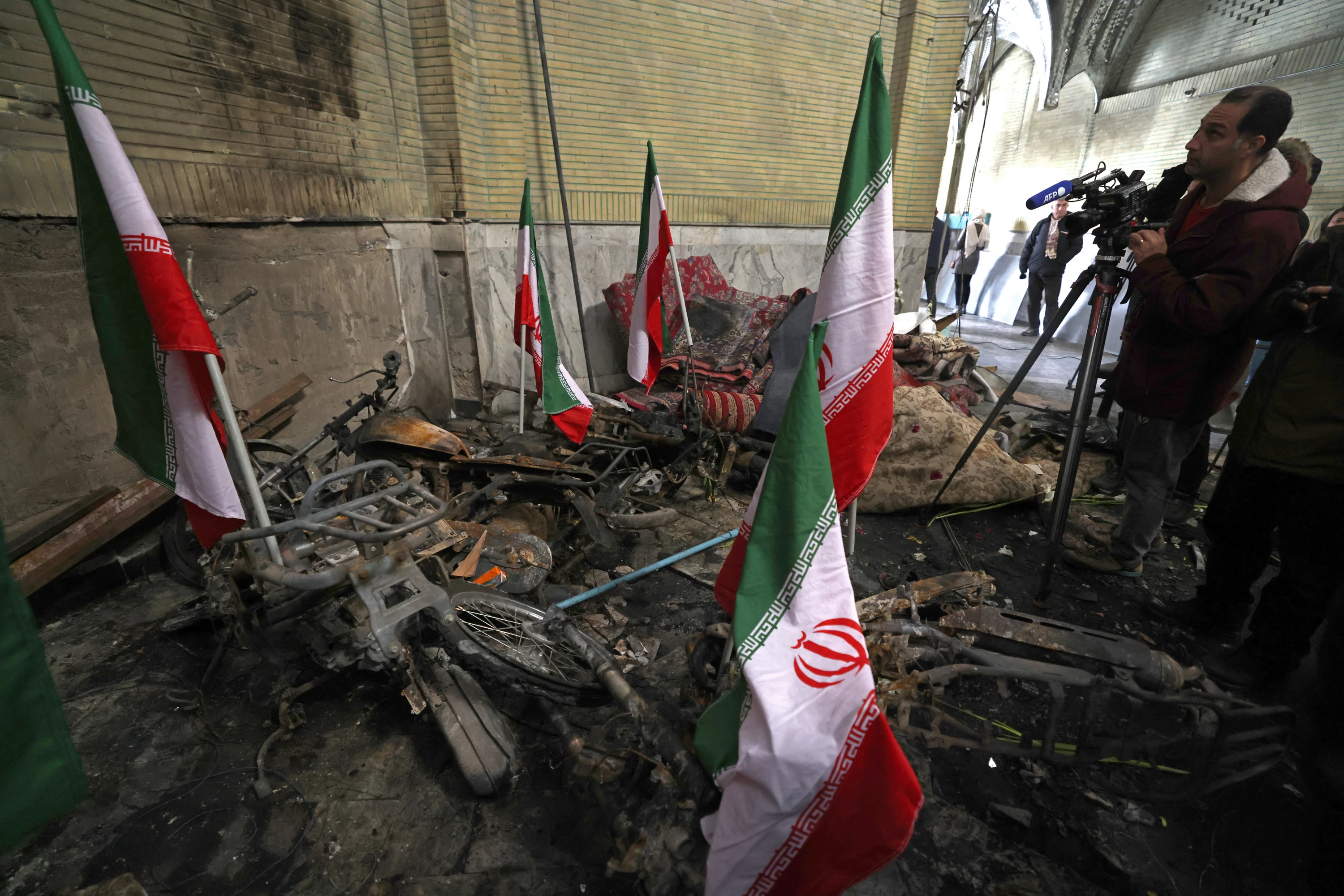
Iran has been rocked by nationwide protests since late last year, which have spread to the majority of provinces and increasingly targeted the government. Rights monitors say Iranian security forces have killed more than 4,900 protesters, injured over 7,300, and arrested more than 26,000.
 Facebook
 LinkedIn
 Telegram
 X
X