ERBIL, Kurdistan Region of Iraq - Rainfall across Iraq’s southern Dhi Qar province has provided near-complete irrigation for crops, easing pressure on water resources as the local government reaches the midpoint of its agricultural plan for the current season, local officials said.
The Dhi Qar Agriculture Directorate said the recent rains, especially in farming areas, reduced the need for irrigation and are expected to support the use of modern water-saving techniques.
Mohammed Abbas al-Yasiri, director of agriculture in Dhi Qar, told The New Region that the rainfall will directly benefit wheat production, noting that more than 100,000 dunams have been planted under the province’s agricultural plan.
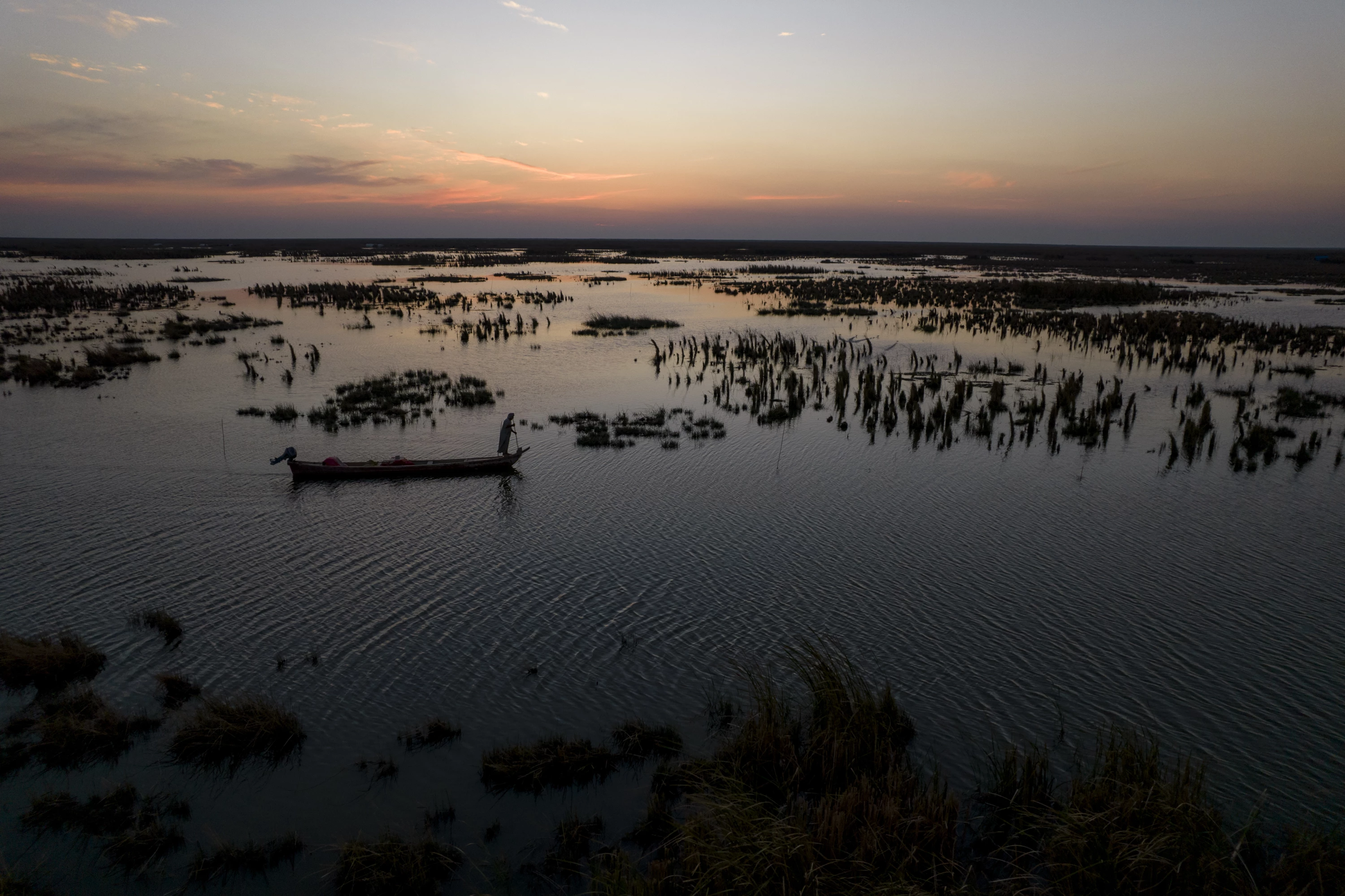
Iraq’s southern marshlands, including large areas of Dhi Qar province, have been severely affected by prolonged water shortages driven by climate change, rising temperatures and repeated droughts.
Declining water levels have damaged agriculture, fishing, and livestock activities in the UNESCO-listed marshes, forcing many local residents to leave their traditional lands.
While heavy rainfall and flash floods in December temporarily boosted Iraq’s water reserves and helped partially revive marsh ecosystems, officials warn that water scarcity remains a long-term challenge, worsened by upstream water controls by Iran and Turkey and the continued pressure on Iraq’s already fragile water resources.
 Facebook
 LinkedIn
 Telegram
 X
X