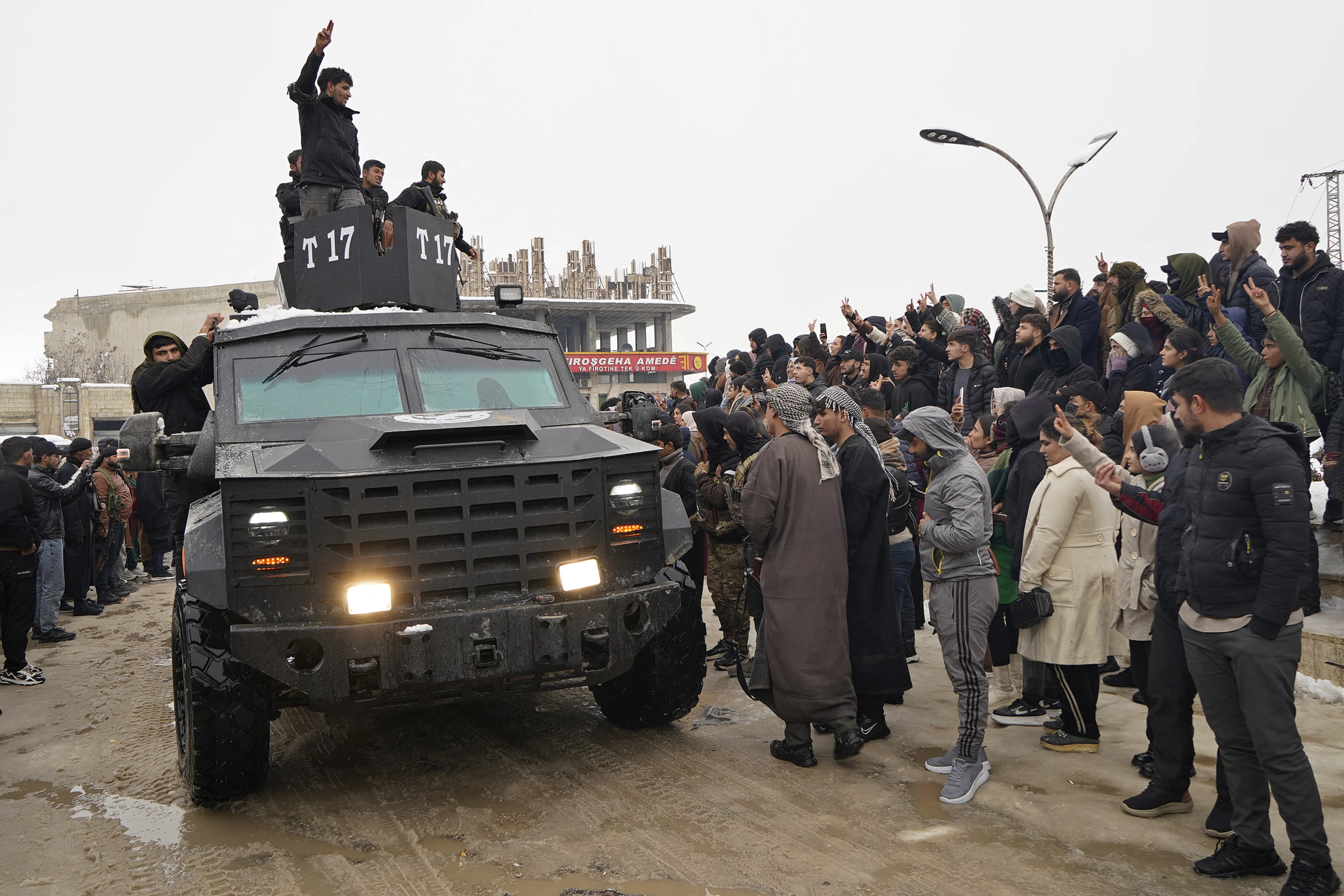
ERBIL, Kurdistan Region of Iraq – While Syrian state TV on Tuesday announced that the Kurdish-led Syrian Democratic Forces (SDF) and Damascus reached an agreement to deploy Syrian security forces in Qamishli and Hasakah, the situation in the besieged city of Kobane remains unclear.
Heavy fighting has recently taken place in Rojava (northeast Syria), primarily on the Derik-Qamishli road and in villages south of Kobane, with an official statement by the SDF on the potential deal yet to be made.
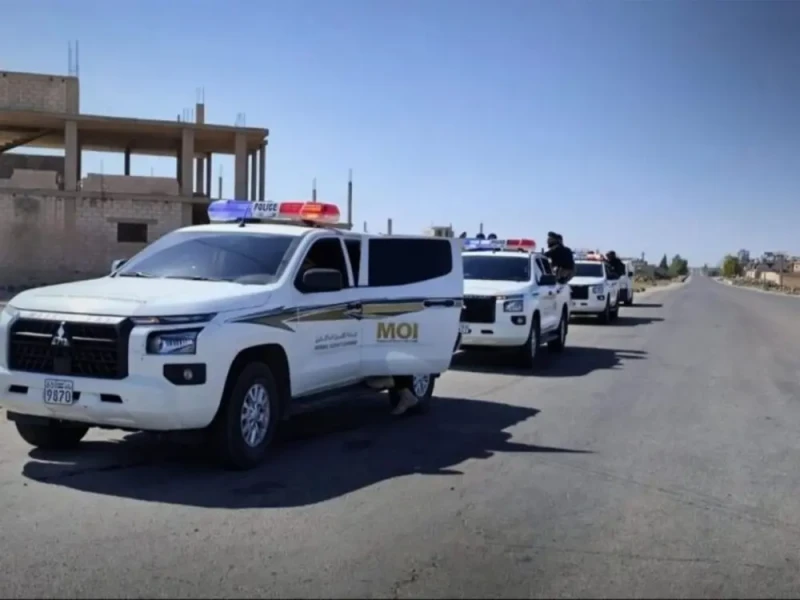
According to a previously published agreement on January 18, heavy military presence will be removed from Kobane and a security force and police - drawn from the city’s residents - will be installed, with the forces being administratively affiliated with Syria’s interior ministry.
Sihanok Dibo, an official of the Democratic Autonomous Administration of North and East Syria (DAANES), previously told The New Region that the goal of the SDF is to work together to make the January 18 Convention and Kurdish Decree No. 13 issued by Syrian interim President Ahmed al-Sharaa successful, “which must be included through the permanent constitution and in accordance with international and regional guarantees.”
“Practical steps must also be taken in anticipation of the return of the threat of ISIS [Islamic State], which is the biggest beneficiary in the battles between the transitional government forces and the Syrian Democratic Forces. The greatest attention should also be paid to the Kurdish dimension,” Dibo stressed.
A mutual understanding published by Damascus on January 20 did not specifically mention Kobane. Nevertheless, a joint statement by the UK, France, Germany and the US mentioned that basic services should be “resumed in the city of Kobane.” So far, limited aid has arrived in Kobane from the UN and the International Red Cross.
Berivan Issa, co-chair of the Humanitarian Affairs Office in Kobane, told The New Region that there is still fear in Kobane. “ We are suffering, we are especially out of water.”
The symbolic city of Kobane is different from other Kurdish-majority areas in Syria, having suffered several attacks by ISIS and other sieges by Islamist rebel groups in the past.
Kurdish civilians in Kobane are especially afraid of neighbouring Arab villages that were in the past accused by locals of helping ISIS besiege the city in 2014. ISIS was expelled from the area on January 26, 2025, and Kurdish forces took control of the rest of Kobane. A few months later, ISIS infiltrated the city with Kurdish security uniforms and killed 120 civilians.
“One of them is me. Everyone is afraid because the surrounding Arab villages will take revenge and we saw footage from Raqqa, how they are killing the Kurdish people, so this is the main concern for people,” a civilian from Kobane told The Neww Region on the basis of anonymity.
Another civilian said that they do not want security forces from outside Kobane to come. “They are like ISIS. We don’t want them to come here.”
Raman Nassan, a civilian, using a pseudonym, also lamented that people from the Arab area of Shiyukh near Kobane might take revenge on civilians in the city.
“They were previously in Turkey, and now in Jarabulus and arrived in other areas of Syria. These people keep threatening the neighboring villages for taking revenge, they say you have to pay and we are coming, so I guess if they take control of the town, they will take revenge on neighboring Kurdish villages,” Nassan warned.
Some civilians in Kobane also said that the houses of Kurds in Raqqa were looted, and on Tuesday, reports surfaced that a Kurdish lawyer in Raqqa was killed when he was trying to flee to Kobane.
There have also been other reports of executions of civilians and fighters during the chaos that emerged when Syrian government-backed fighters pushed out the SDF from Deir ez-Zor and Raqqa, with both the SDF and Damascus accusing each other of extrajudicial killings, according to a Human Rights Watch report.
The Syrian Ministry of Defense on Thursday said it vowed “to hold some of its members accountable for violations committed during operations in northeastern Syria.”
Days later, the SDF announced that they dismissed one of their fighters and placed him on trial for photographing himself alongside armed individuals who were killed during an attack on a village south of Kobane that pro-Syrian government activists said were civilians.
Sarah Sanbar, Iraq Researcher at HRW’s Middle East and North Africa Division, told The New Region that “Syria is at a critical juncture - either different ethnic communities learn to live together in peace or they do not. The rights violations we have seen thus far, and the lack of effective and impartial accountability are some of the greatest challenges facing Syria today.”
She also added that “any operation or entry into these areas militarily must first and foremost respect the rights of the affected population, not just in the duration of the operation but afterwards. Syrian transitional authorities must ensure that they are a government for all Syrians.”
Bassam Alahmad, Co-Founder and Executive Director of the Syrians for Truth and Justice (STJ), told The New Region that “there is mounting evidence of Syrian government forces’ involvement in looting, summary executions, and ill-treatment.”
“These violations must cease immediately, and an independent investigation by the International Commission of Inquiry must be launched into all abuses and allegations,” he stressed.
Despite the circumstances, there is hope among some in Kobane of an agreement in which Kurdish areas will remain under Kurdish control.
“I hear that there is a new agreement which will be effective within the next two days, and Kurdish areas will stay controlled by Kurdish forces,” Nassan said.
With the future of Kobane hanging in the balance, residents hope that their famous resistance against ISIS will not be squandered.
"They hope electricity and water will be available. They hope their children's blood for defending the world against ISIS will not go in vain," Issa concluded.
 Facebook
 LinkedIn
 Telegram
 X
X