ERBIL, Kurdistan Region of Iraq – The Kurdistan Region’s education ministry on Wednesday issued a directive to local streaming companies to halt broadcasting “foreign and Arabic channels,” especially those deemed “disrespectful to the Kurdish nation,” amid an ongoing military campaign by Syrian state factions against Kurdish-led forces in Rojava.
“We inform you to stop broadcasting foreign and Arabic channels on your receivers, especially those channels that, given the current situation in Kurdistan, have become a cause for disrupting social peace and disrespecting the Kurdish nation,” the ministry said in a statement on Wednesday.
The statement added that based on the directive, “its content must be implemented immediately.”
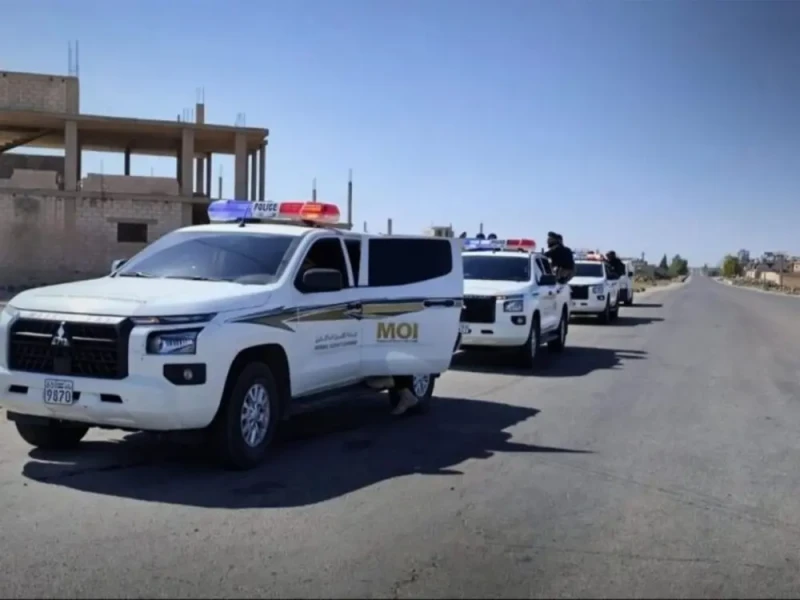
Damascus has launched a brutal offensive against Rojava in a bid to secure interim President Ahmed al-Sharaa’s vision of a united, centralized Syria, despite the country’s marginalized minorities repeatedly calling for federalism.
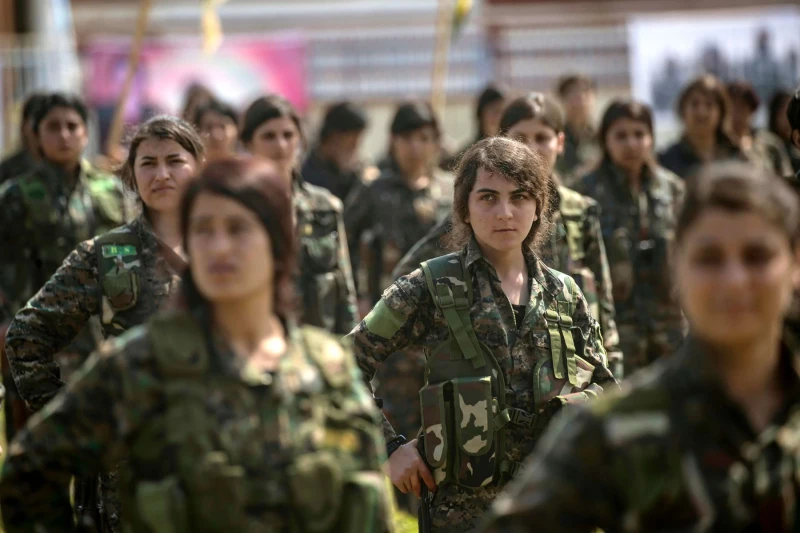
The assault has left hundreds dead and forced Kurdish-led forces, who defeated the Islamic State (ISIS) in Syria, to cede swathes of territory and withdraw to Hasaka province, with the attacking Syrian forces violating ceasefires, committing human rights violations, and possibly war crimes in their offensive.
Damascus-affiliated forces are accused of continuing attacks on Kurdish-held areas around Kobane and maintaining a siege on the city despite a recently announced cease-fire.
Both sides have traded accusations over ceasefire violations.
Following the breaches, Syrian state-run news agencies and broadcasters accused Kurdish forces of links to militant groups, referring to them as “terrorist elements.”
At the same time, several Arab media outlets have come under criticism for airing footage of Syrian army troops and Damascus-affiliated forces allegedly displaying extremist symbols, including those associated with ISIS.
Among them was Al-Jazeera Arabic, which faced widespread criticism on social media over footage that appeared to show a Syrian soldier bearing an ISIS insignia.
The outlet was earlier in January banned in Switzerland over allegations of disseminating content deemed to promote extremist groups, including Hamas.
In one of the alleged human rights violations linked to Damascus-affiliated factions, a video circulated on social media showing a man holding the braided hair of an allegedly killed Kurdish female fighter, saying, “This is the hair of a heval [comrade]. When questioned by the person filming, he happily responded, saying, “She is dead anyway.”
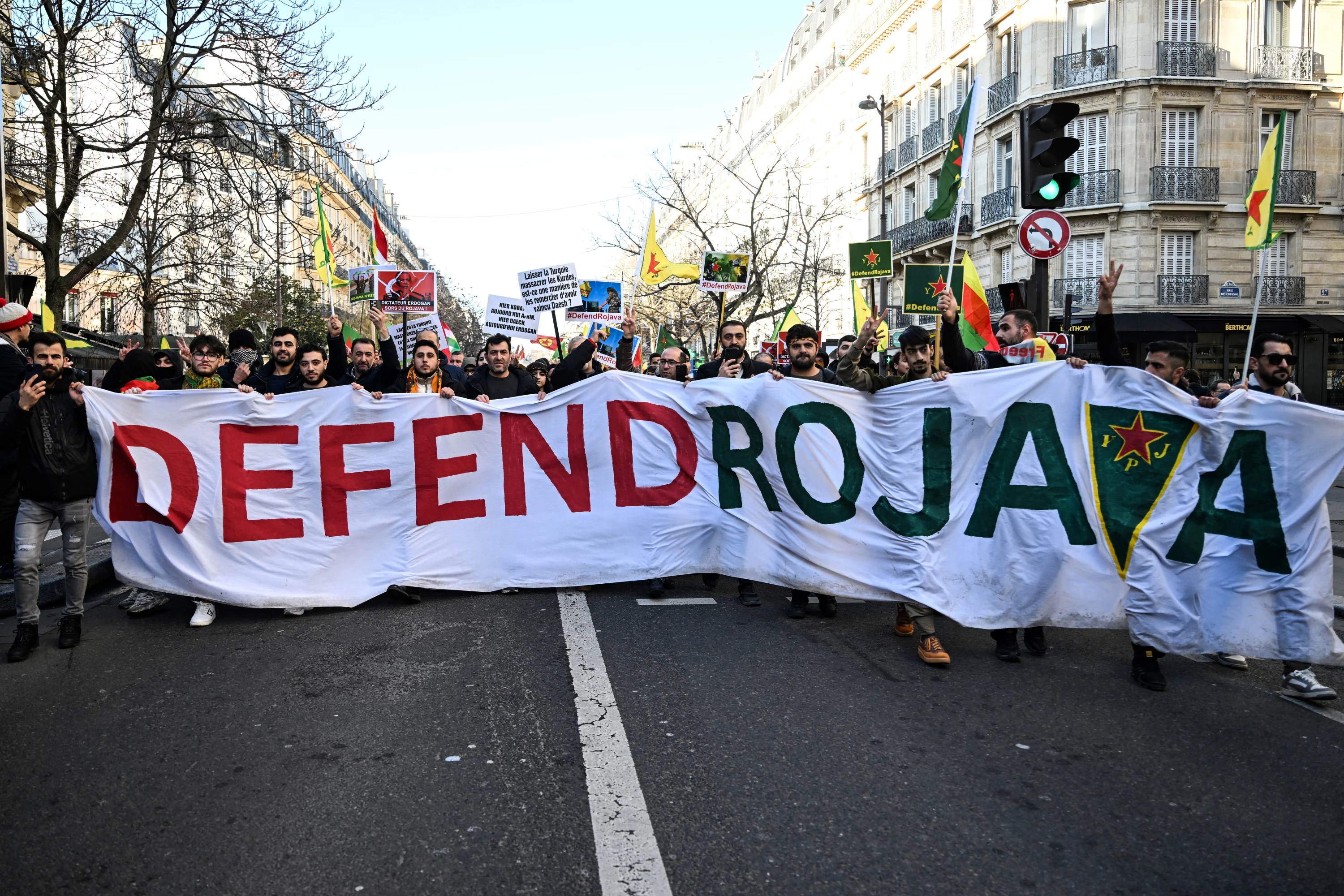
A widespread wave of condemnation erupted, sparking a global trend of solidarity with women braiding their hair in support of Rojava, while thousands in the Kurdistan Region’s cities rallied for Rojava, protesting the brutality and violence committed by the Syrian government and government-aligned forces.
 Facebook
 LinkedIn
 Telegram
 X
X