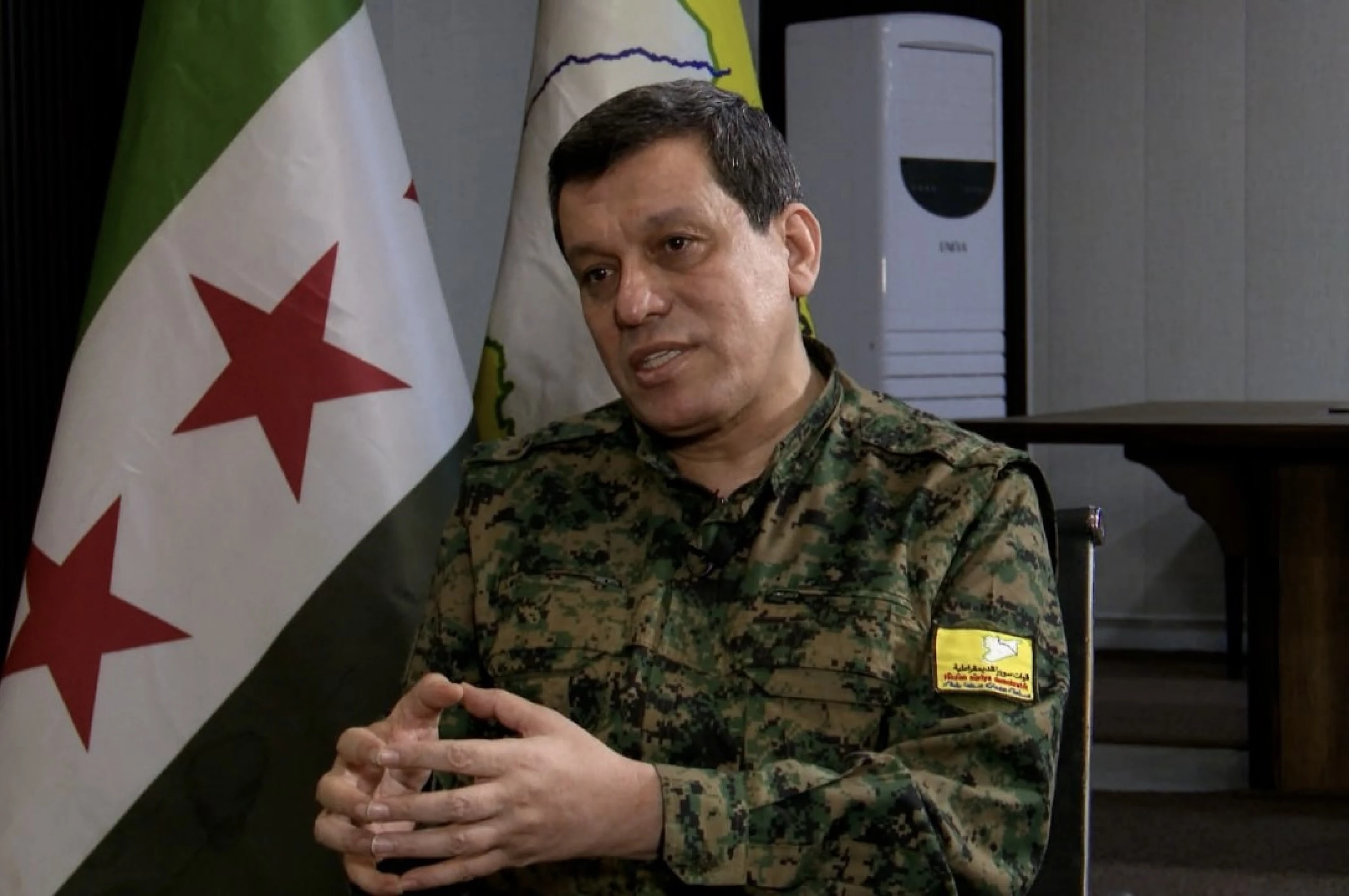
ERBIL, Kurdistan Region of Iraq - Mazloum Abdi, commander of the Kurdish-led Syrian Democratic Forces (SDF), said on Friday that Kurds in Rojava (northeast Syria) will retain the gains achieved over the years, stressing that Syrian forces will not enter the Kurdish regions per the recent agreement with Damascus.
The SDF announced on Friday that it has reached a “comprehensive agreement” with Damascus that will see a phased integration process of the Kurdish-led forces into the Syrian state after weeks-long clashes between both sides.
In an exclusive interview with Ronahi TV, Abdi said that their main objective in the agreement with Damascus was reaching a ceasefire, noting: “There was a risk of genocide against our people.”
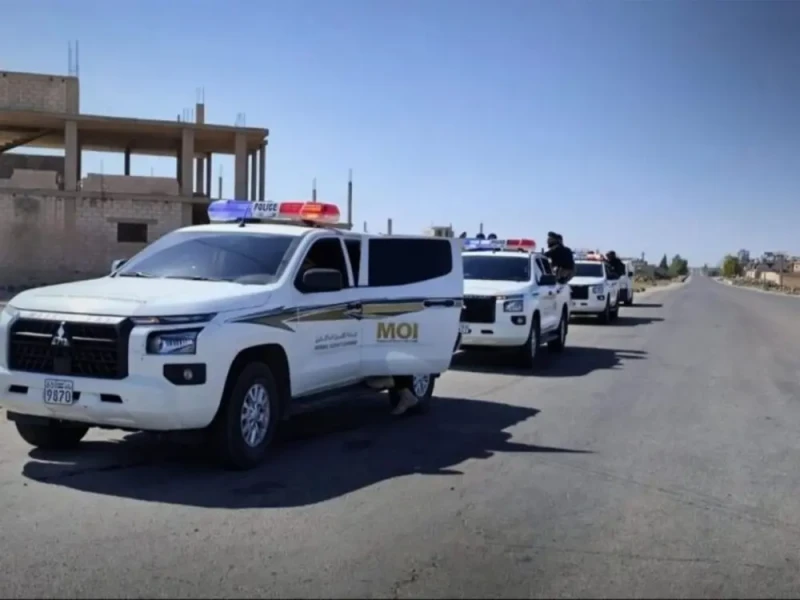
The agreement includes “the withdrawal of military forces from contact points,” the entry of Syrian interior ministry security forces into the Rojava cities of Hasakah and Qamishli, and “the commencement of the integration of security forces in the region,” according to the SDF.
Abdi stressed that “the Syrian forces will not enter any of the Kurdish regions. These regions will be protected by our current forces,” noting that the agreement will enter into effect on Monday. February 2.
On Monday, a security delegation from the Syrian government will visit Hasakah and Qamishli, “for a specific force integration process,” according to the SDF chief.
“Our internal security forces [Asayish] will integrate into the defense ministry, and Damascus forces will be in our areas until the integration is completed then they will withdraw.”
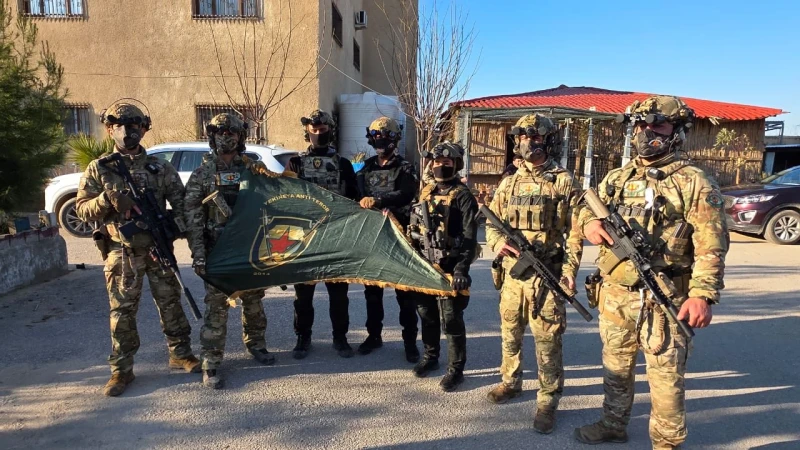
The agreement also includes the formation of a military division under Syrian state control from three SDF brigades and a brigade from the Kobane forces within a division under the auspices of Aleppo provincial authorities.
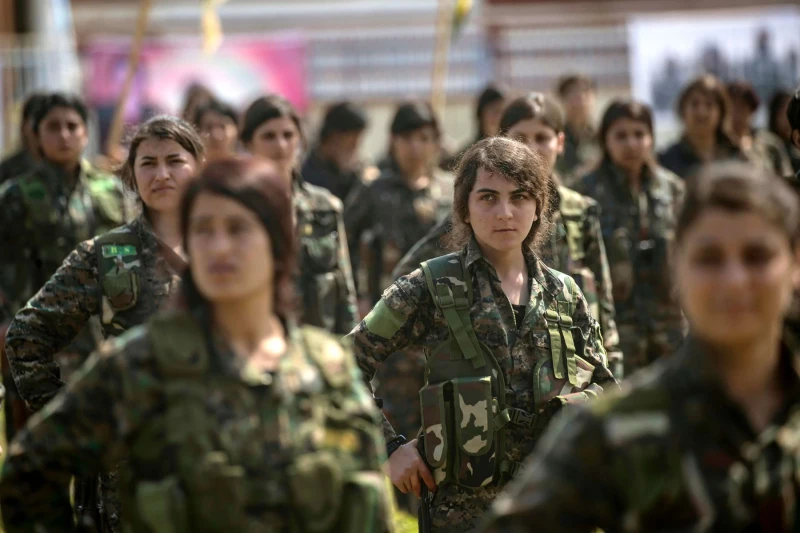
“The institutions our people gained in the revolution will not be changed,” said Abdi, adding that their forces will remain in Jazira and Kobane “in the form of brigades.”
“Sari Kani and Afrin are Kurdish cities, Afrin is 90 percent Kurdish… The steps we have taken for Kurdish areas include Afrin but may take longer because there are some other forces there,” he added.
“To say that we have gained what we want it is not true. Our goals are bigger than this,” said Abdi.
The Syrian government’s violent campaign against Syria’s Kurds sparked massive demonstration movements from Kurds and non-Kurds alike, with daily protests held across the world in solidarity with Rojava.
Abdi acknowledged the demonstrations and their significance during the interview.
“We saw that Kurds in other three parts of Kurdistan, not only Rojava, and abroad were with us and it gave us a lot of strength. The Kurdish stance makes changes internationally as well. It creates pressure for the fighting to stop for these steps to be taken.”
“It had a big role on it and that is why everyone who raised their voice and protested: I thank them and salute them because it had a big impact on this process.” said the SDF chief.
Abdi also expressed appreciation for the support from Kurdish political leaders in the Kurdistan Region throughout the process.
The recent clashes between Kurdish-led forces and Damascus-affiliated factions broke out after a year of tensions regarding a prospective integration agreement, with Rojava authorities remaining hesitant in light of sectarian massacres perpetrated by state forces against the country's Druze and Alawite minorities.
The Syrian offensive in Rojava has left hundreds dead and forced Kurdish-led forces, who did the brunt of defeating the Islamic State (ISIS) in the country, to cede swathes of territory and withdraw to Hasakah province, with the attacking Syrian forces violating ceasefires, committing human rights violations, and possibly war crimes in their campaign.
 Facebook
 LinkedIn
 Telegram
 X
X