ERBIL, Kurdistan Region of Iraq - Mazloum Abdi, commander of the Kurdish-led Syrian Democratic Forces (SDF), in an interview with AVA Media on Saturday, said that their forces will integrate into the Syrian state apparatus in four brigades and that government forces will only enter Kurdish cities “symbolically” until the integration process is done.
The SDF announced on Friday that it has reached a “comprehensive agreement” with Damascus that will see a phased integration process of the Kurdish-led forces into the Syrian state after weeks-long clashes between both sides.
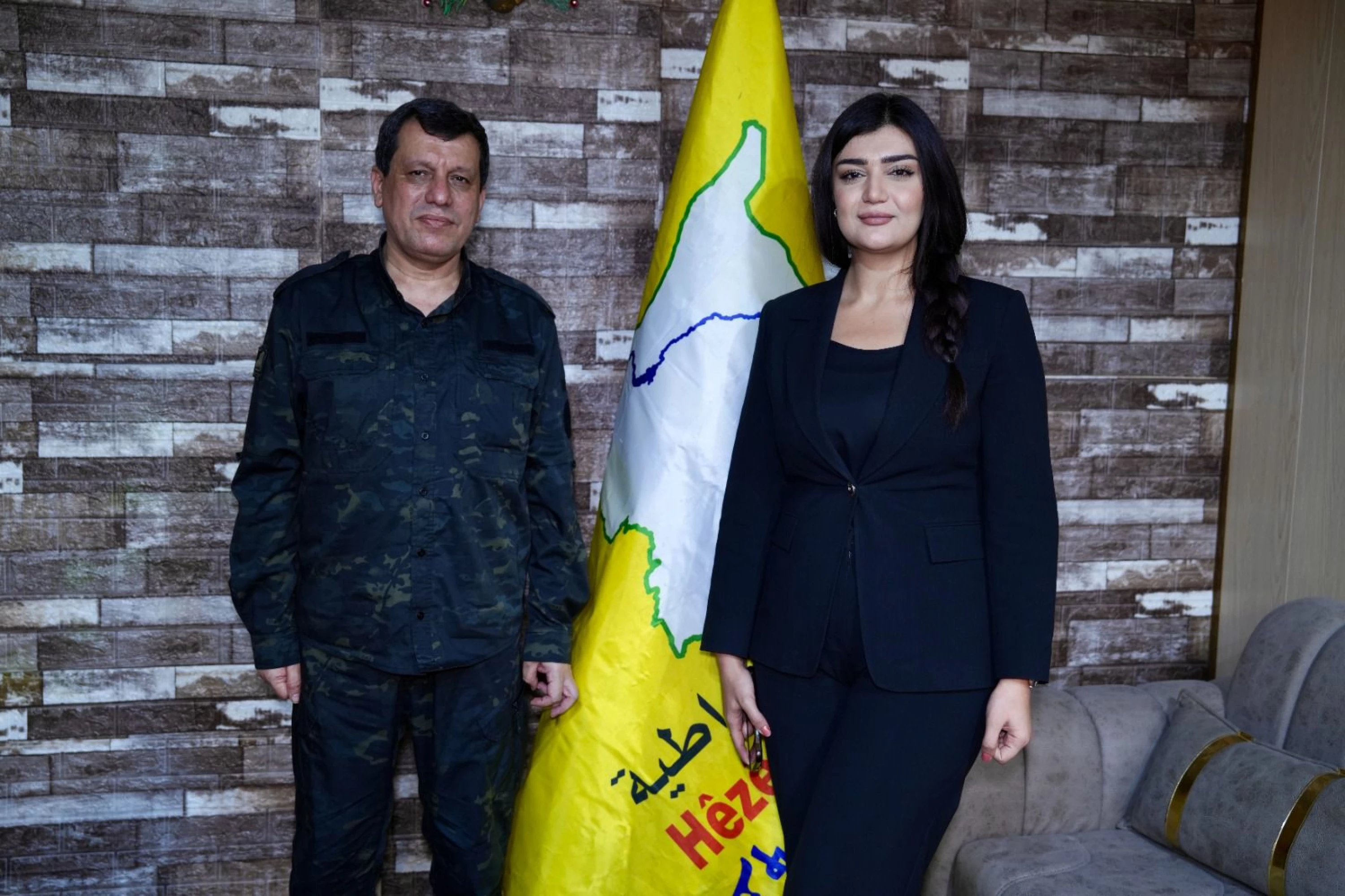
“Kurds will have four brigades: three SDF brigades in Hasakah province and one brigade of Kobane forces,” Abdi told Sureya Hesari, a prominent anchor of the Kurdistan Region’s leading AVA Media.
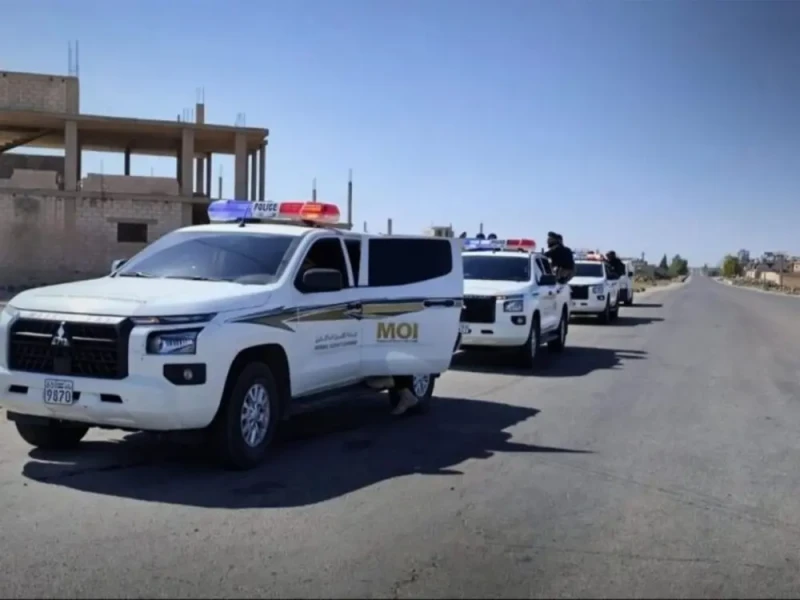
“Damascus' internal forces will enter Hasakah and Qamishli symbolically, their number not exceeding 100 people,” he added, noting that they will arrive in vehicles carrying no more than five people each.
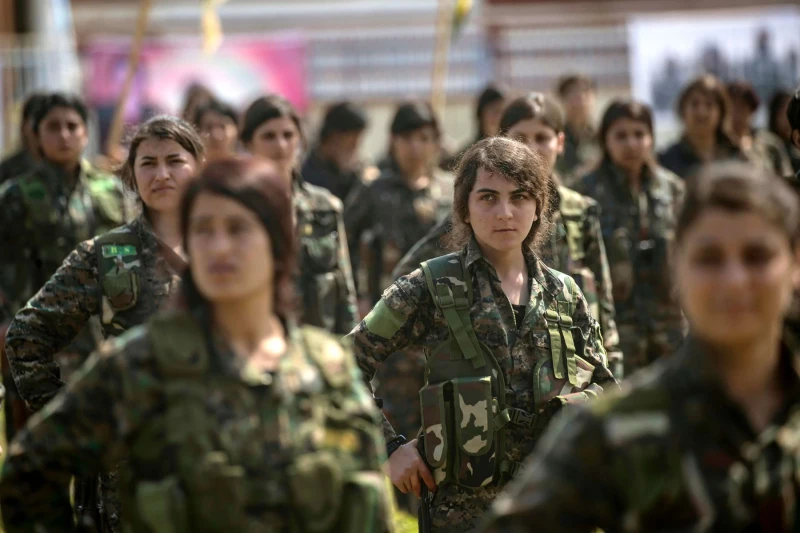
The all-female Women’s Protection Units (YPJ) will also remain and a mechanism will be established for them, according to the SDF chief.
Abdi said Kurdish security forces will remain in Kurdish areas and no Damascus bases will be established.
“From now on, I will work for Kurdish unity and unification in Rojava [northeast Syria], and we will work to become one Kurdish front to deal with all issues, and this will be my main work from now on,” Abdi said, noting that he had been suggested for positions in the government but refused, deciding to “stay with the people and my fighters.”
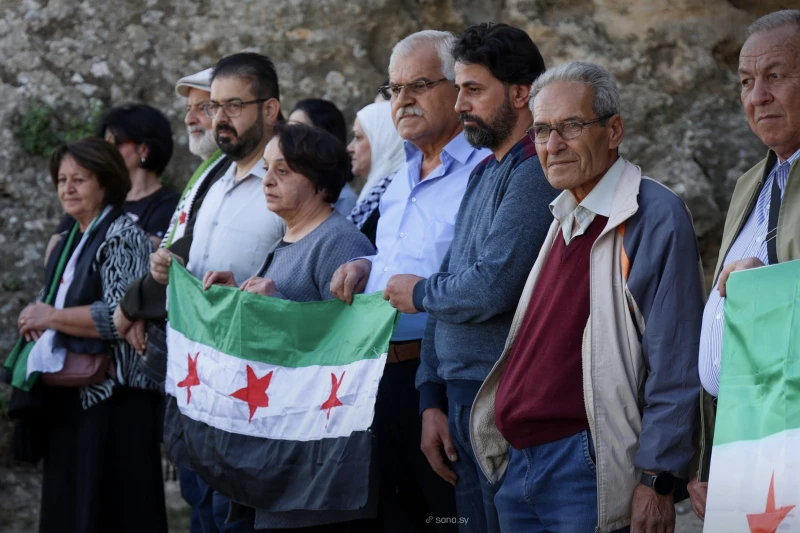
The Syrian government’s violent campaign against Syria’s Kurds sparked massive demonstration movements from Kurds and non-Kurds alike, with daily protests held across the world in solidarity with Rojava.
“Demonstrations and Kurdish unity had an impact and brought the international community to the line, and [US President Donald] Trump sent a message to [interim Syrian President Ahmed al-]Sharaa that there must be no genocide against Kurds. [French President Emmanuel] Macron had the most significant stance—their role was important in the international effort,” he said.
Abdi also hailed Kurdistan Region leaders for their support, saying they had daily contact with them.
The recent clashes between Kurdish-led forces and Damascus-affiliated factions broke out after a year of tensions regarding a prospective integration agreement, with Rojava authorities remaining hesitant in light of sectarian massacres perpetrated by state forces against the country's Druze and Alawite minorities.
The Syrian offensive in Rojava has left hundreds dead and forced Kurdish-led forces, who did the brunt of defeating the Islamic State (ISIS) in the country, to cede swathes of territory and withdraw to Hasakah province, with the attacking Syrian forces violating ceasefires, committing human rights violations, and possibly war crimes in their campaign.
Hesari, who has been in Rojava to document the military campaign and the woes of the Kurdish people, has been facing an overwhelming wave of “racist and chauvinistic” threats from Syrian media, leading her broadcaster to nearly pull the anchor out of Rojava.
In a statement earlier this week, AVA Media said they were left with no choice but to return Hesari to the Kurdistan Region in light of the threats that had posed an immediate risk to her life.
Nonetheless, Hesari, who has received widespread praise in recent weeks due to her defense of Kurdistan, persevered and stayed in her native land, receiving a hero’s welcome from Abdi and other Rojava officials on Saturday.
 Facebook
 LinkedIn
 Telegram
 X
X