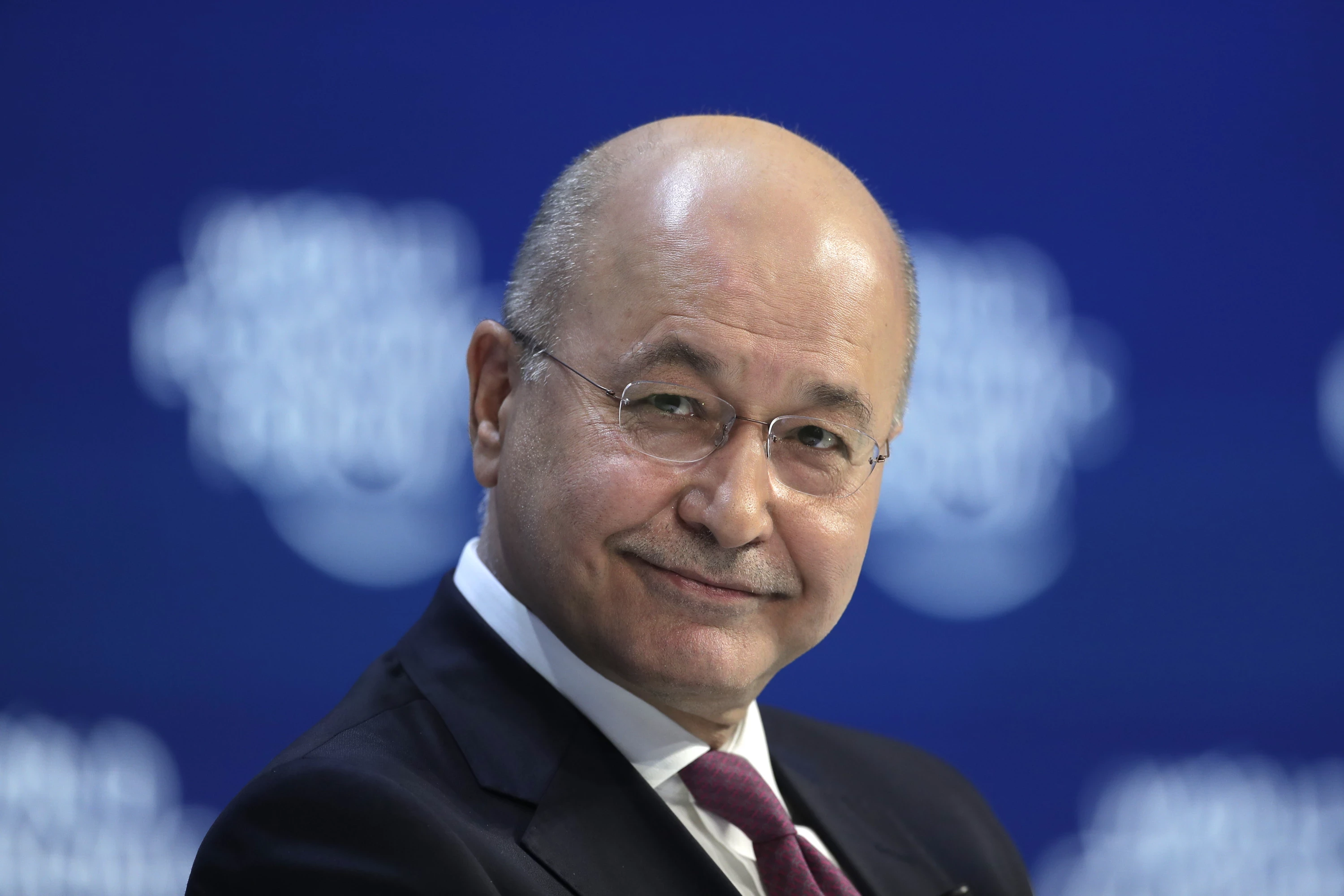
ERBIL, Kurdistan Region of Iraq – The UN will continue delivering aid convoys to Kobane, UNHCR chief Barham Salih said on Wednesday, coming as humanitarian conditions in the besieged Kurdish city worsen.
The efforts to dispatch aid convoys to Kobane, Qamishli, and other areas in Rojava (northeast Syria) are “ongoing,” Salih, a salient Kurdish political figure and former Iraqi president, told The New Region, noting that on Tuesday, “another aid convoy arrived in Kobane.”
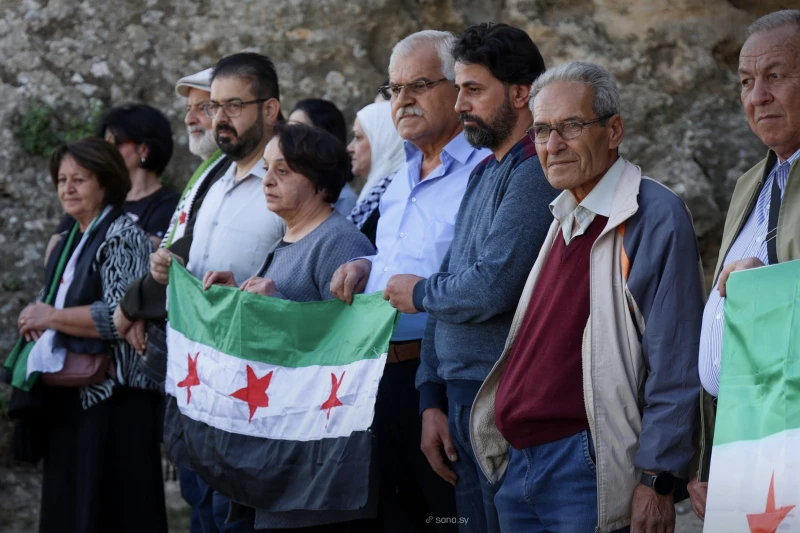
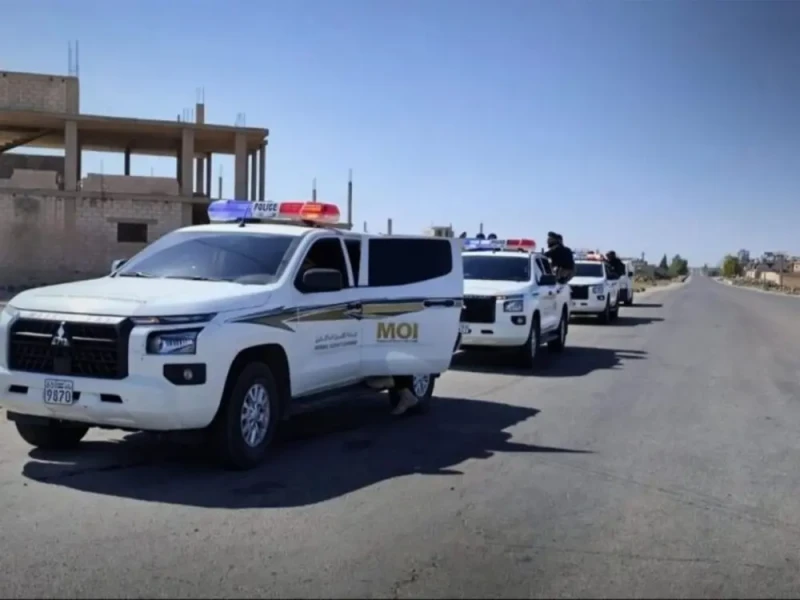
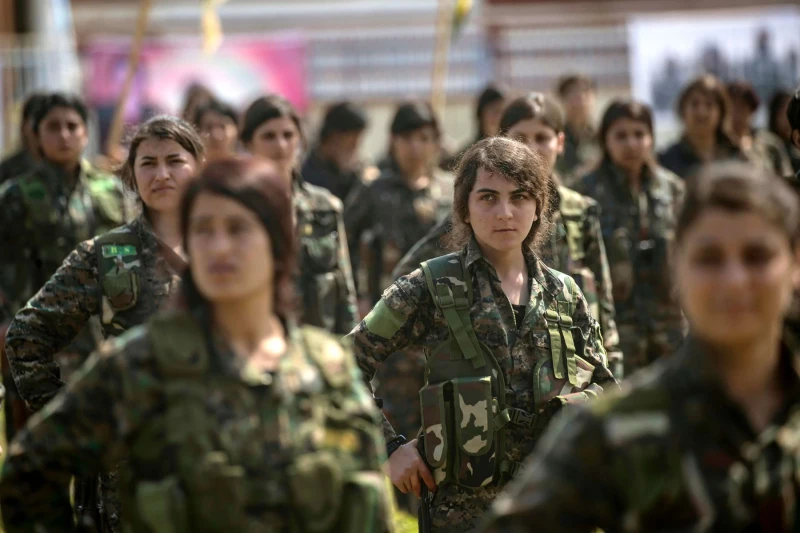
The Syrian Arab Army has imposed a suffocating siege on the city since January 19, which, in addition to its residents, is hosting thousands of displaced people who fled areas now under Damascus’ control following a brutal military campaign on areas held by the Kurdish-led Syrian Democratic Forces (SDF).
The UN has reported deteriorating humanitarian conditions, days after five children died from severe cold and a lack of medical supplies.
“Through contacting the relevant authorities, the UN was able to urgently send a lot of aid convoys to Kobane,” the UN chief said, noting the aid arrived “at the right time.”
Days ago, the UN organized a convoy of 24 trucks carrying food, relief supplies, and diesel towards the city to provide life-saving and winter assistance, coming after the Kurdish Red Crescent appealed to Salih for help.
However, the Kurdish-led Democratic Autonomous Administration in North and East Syria (DAANES) has stressed several times that the aid provided to the city is not sufficient, asserting that international silence is exacerbating the situation.
Kobane’s water authority on Wednesday announced that the city has been without water for nearly 20 days, enduring “a suffocating siege, where all basic necessities of life have been cut off,” despite a ceasefire in place.
The UN High Commissioner for Refugees leads the UN agency that protects and supports refugees, asylum seekers, and stateless people worldwide, playing a key role in conflict zones and major humanitarian crises.
Salih began his tenure in the role on January 1 after being selected by UN Secretary-General Antonio Guterres in December.
He served two terms as prime minister of the Kurdistan Region (2001–2004, 2009–2012), was Iraq’s deputy prime minister (2004-2009), and was minister of planning in the transitional government (2005).
He later served as Iraq’s president from 2018 to 2022, losing re-election to current President Abdul Latif Rashid.
 Facebook
 LinkedIn
 Telegram
 X
X