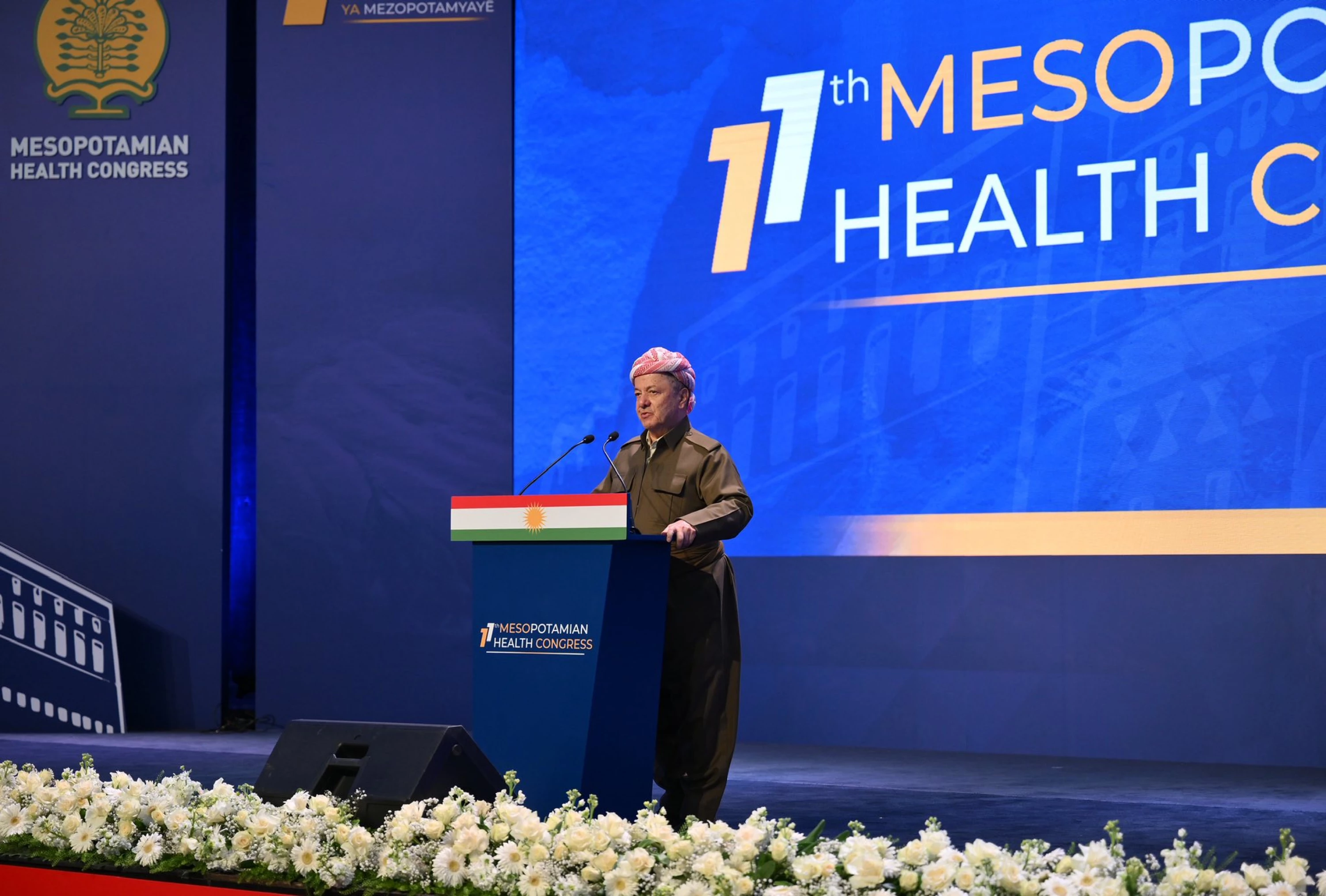
ERBIL, Kurdistan Region of Iraq – President Masoud Barzani on Thursday said that a “great catastrophe” was prevented in Rojava (northeast Syria) after weeks of brutal attacks by Syrian forces, underscoring the Kurdish national unity fostered by the escalating unrest.
“A great catastrophe was about to take place in Rojava,” Barzani said during a medical event in Erbil, adding, “My biggest fear was that it would have become a Kurd-Arab war,” while noting that throughout history, “Kurds were never initiators of war.”
“Thank God, and thank all the parties that assisted, the fight didn’t escalate, didn’t turn into a Kurd-Arab war,” he said, confirming that while devastating events took place, “much worse things could’ve happened.”
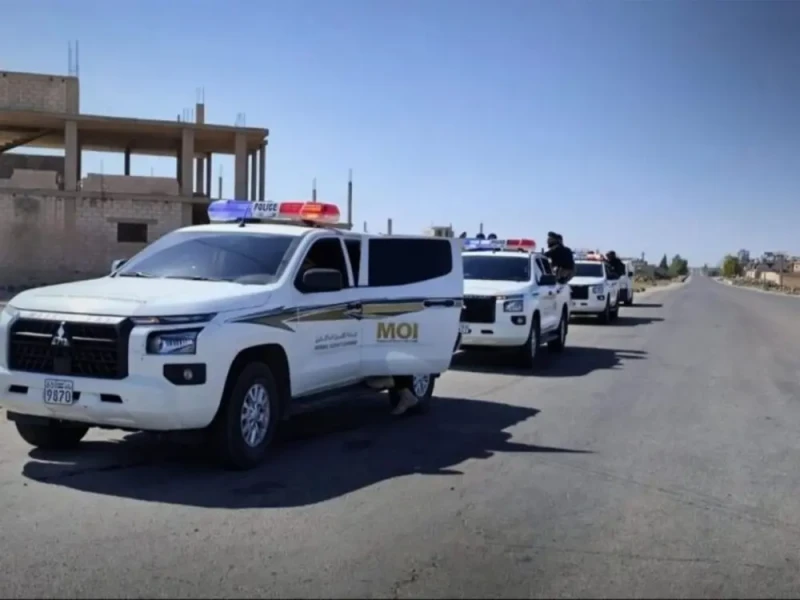
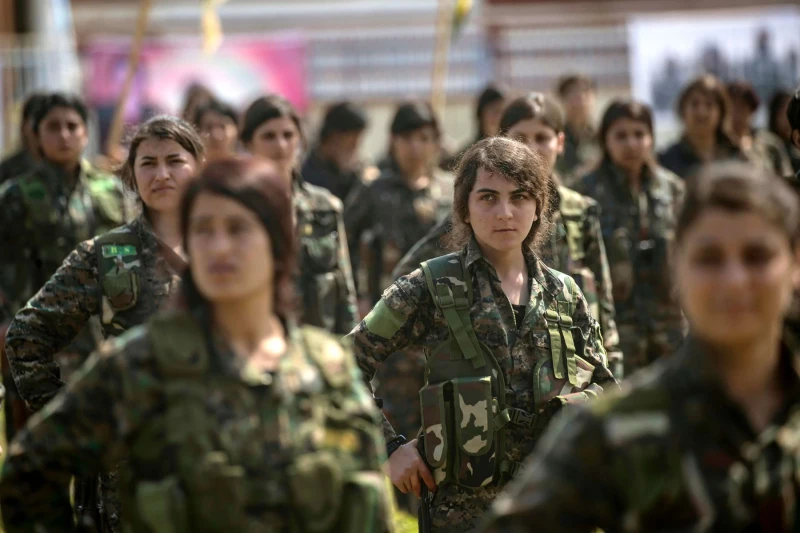
Earlier in January, the Syrian Arab Army and its affiliated factions launched a violent military campaign on Rojava in a bid to secure Ahmed al-Sharaa’s vision of a centralized Syria, killing hundreds of fighters and civilians in the process, with the attacking Syrian forces violating ceasefires, committing human rights violations, and possibly war crimes in their offensive.
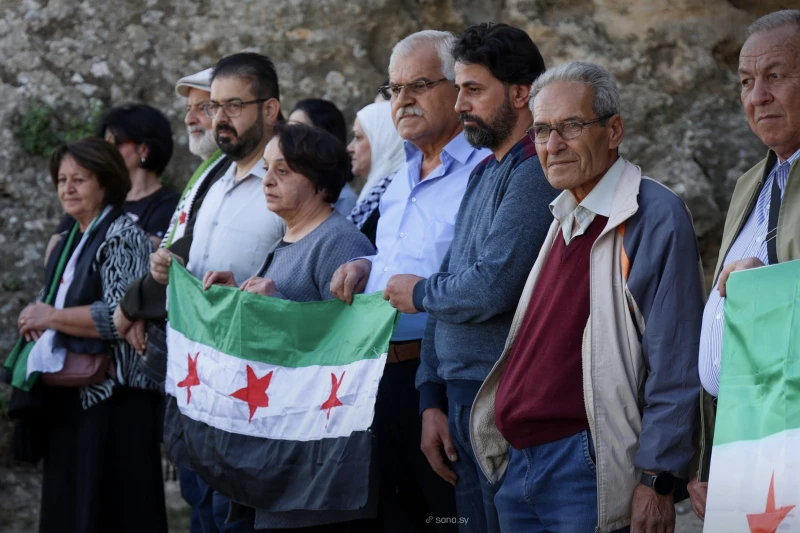
The offensive sparked massive demonstration movements from Kurds across the Kurdistan Region and the Kurdish-majority southeast Turkey, with daily protests held across the world in solidarity with Rojava.
"I hope that the unity we witnessed on a national level can become a symbol for the future," Barzani added, stressing that while Kurds do not advocate for war, they also “do not accept oppression from oppressors.”
The Kurdish leader thanked the Region’s residents, charity organizations, and institutions for raising donations, delivering assistance, and aiding the people in Rojava impacted by the unrest.
The Kurdish-led Syrian Democratic Forces (SDF) on Friday said it has reached a “comprehensive agreement” with Damascus to enable a phased integration process of the Kurdish-led forces into the Syrian state.
"Now, there is an agreement between our brothers in Rojava and the Syrian government. We are hopeful that this agreement will last," President Barzani said.
Erbil-Baghdad issues
Barzani addressed the stalemate in the government formation processes in both Baghdad and Erbil, noting, “Neither in Erbil nor in Baghdad a government was formed.”
He said that Erbil is cooperating with Baghdad to break the political deadlock and form the next cabinet.
“We are trying to end these issues and find a convenient solution,” he said, asserting that “whatever is within our ability we will do to help our companions in Baghdad,” in the process.
President Barzani emphasized the importance of dialogue and peaceful means to approach the outstanding issues between the national actors.
The formation of the Iraqi government has bypassed the constitutional deadlines after the voting process for the country’s next president was postponed twice, as the Kurdistan Region's top two parties, the Kurdistan Democratic Party (KDP) and Patriotic Union of Kurdistan (PUK), have failed to agree on a unanimous candidate for the post.
Another obstacle is the nomination of the country’s upcoming premier, as the candidate chosen by the ruling Shiite Coordination Framework, veteran Shiite politician Nouri al-Maliki, is firmly rejected by Washington.
Meanwhile, the formation of the next Kurdistan Regional Government (KRG) cabinet has been stalled for years, as the two ruling parties have failed to reach an agreement on the distribution of governmental posts.
 Facebook
 LinkedIn
 Telegram
 X
X