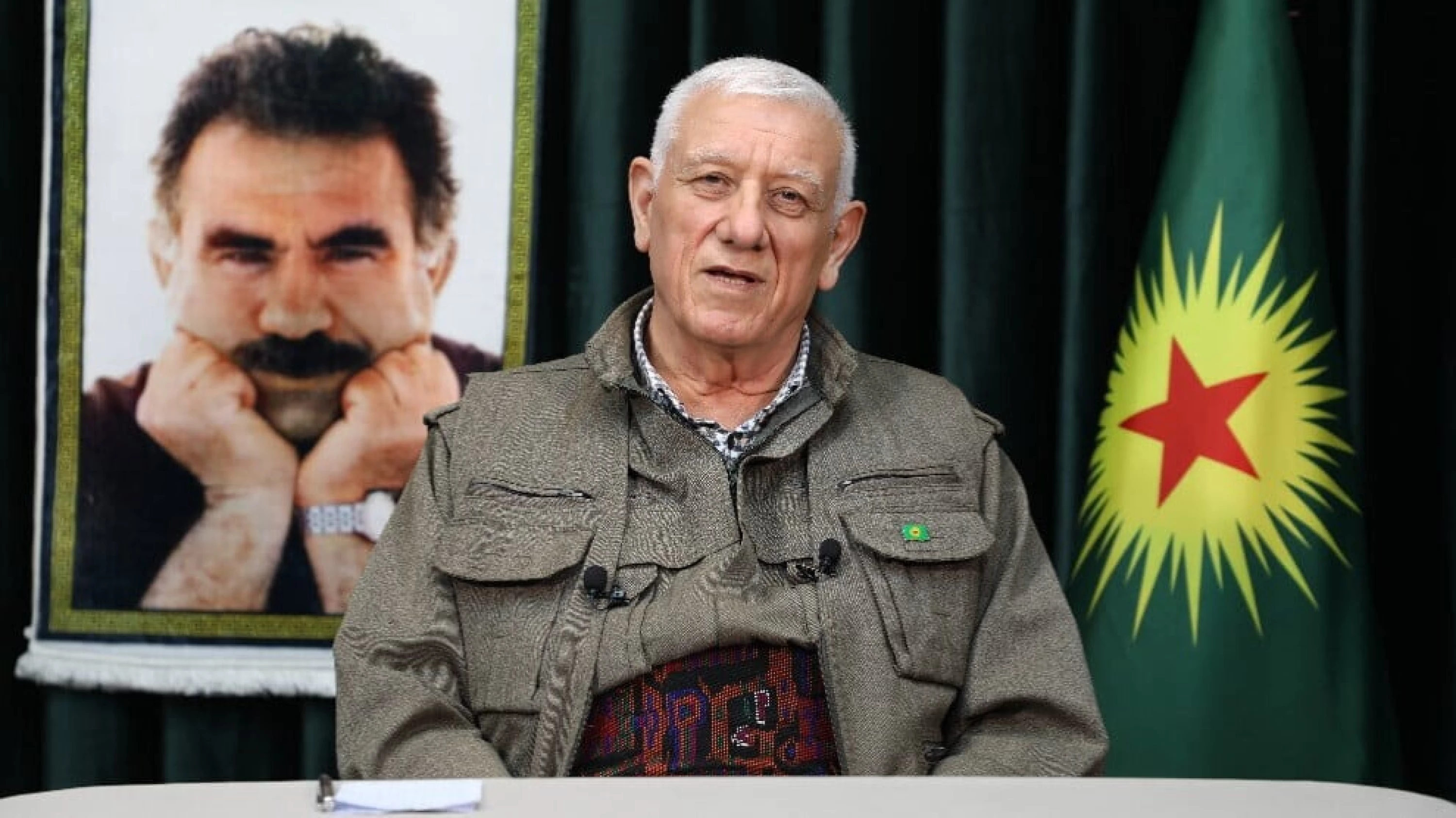
ERBIL, Kurdistan Region of Iraq – The Kurdistan Communities Union (KCK) Executive Council co-chair Cemil Bayik on Saturday said international powers have “turned a blind eye” to the Kurds in Rojava (northeast Syria) amid Damascus’s January offensive, accusing the West of favoring other states and political interests.
“The attacks on Rojava have international and regional dimensions. International powers have come to believe that maintaining tactical relations with Rojava, with whom they cooperated against ISIS [the Islamic State], is not in their interest,” said the KCK, political umbrella group of the Kurdistan Workers’ Party (PKK), official during an interview with the group's affiliated ANF media.
Bayik added that international powers have “concluded that relations with Turkey and some Arab states are more advantageous.”
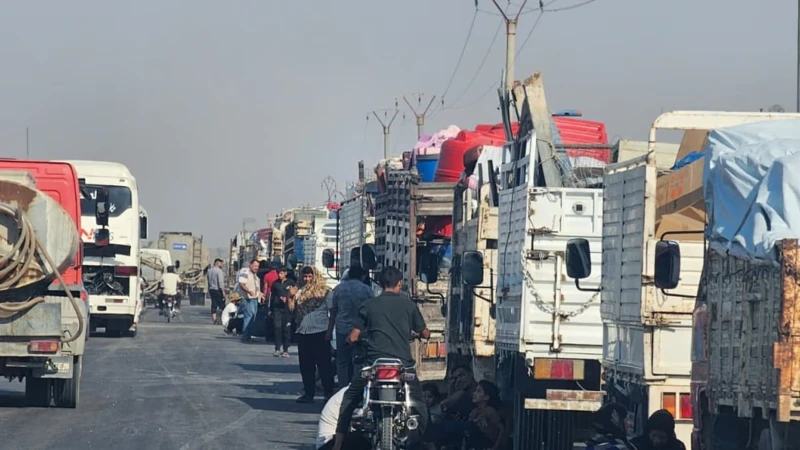
Earlier in January, the Syrian Arab Army and its affiliated factions launched a violent military campaign on Rojava in a bid to secure Syrian Interim President Ahmed al-Sharaa’s vision of a centralized Syria, killing hundreds of fighters and civilians in the process, with the attacking Syrian forces violating ceasefires, committing human rights violations, and possibly war crimes in their offensive.
The Kurdish authorities in Rojava and the region have repeatedly urged the international community to prevent a potential “new war in Syria,” describing it as an attempt by Damascus at “ethnic cleansing.”
The Kurdish-led Syrian Democratic Forces (SDF) have served as the US-led global anti-ISIS coalition’s main partner on the ground in Syria and as the de facto army in Rojava. They fought the lion’s share of the battle against ISIS, enduring heavy losses.
But Washington pulled back support for the SDF, with US Special Envoy for Syria Tom Barrack stating that the need for the Kurdish-led SDF has now “expired” following the territorial defeat of ISIS and growing US alignment with Sharaa's government.
“They turned a blind eye to the attacks by Hayat Tahrir al-Sham [HTS],” he said, adding that Western powers, in coordination with Turkey and Arab states, agreed on removing Syria’s former dictator, President Bashar al-Assad, while considering Israel’s interests and pursuing a new regional balance.
Syrian rebel groups, spearheaded by Sharaa’s HTS, launched operation “Deterrence of Aggression” on November 27, 2024, seizing the capital Damascus after a 12-day blitz offensive and ending Bashar al-Assad’s 24-year reign.
Bayik further accused international powers of “lacking a coherent policy toward the Kurds,” saying they prioritize relations with states and favor other “political interests and balances.”
“The Republic of Turkey and HTS are always planning to carry out this attack, and they launched it under an agreement to leave southern Syria to Israel.”
Israel has maintained a military presence in southern Syria since the fall of the Assad regime, with Tel Aviv and the new Syrian government reaching an agreement in Paris in early January that immediately preceeded the state's offensive in Rojava.
In late January, the SDF announced that it has reached a “comprehensive agreement” with Damascus that will see a phased integration process of the Kurdish-led forces into the Syrian state after weeks-long clashes between both sides.
The January clashes resulted in the breaching of several detention facilities in northern Syria housing veteran ISIS fighters, with a large number of detainees reported to have been released. Both sides, Rojava and Damascus, have accused the other of the security breaches.
The KCK co-chair added that the Kurdish struggle waged across the four parts of Greater Kurdistan in Iran, Turkey, Iraq, and Syria for decades has made the Kurds “a highly influential political force” in the region, impacting the policies of these countries.
 Facebook
 LinkedIn
 Telegram
 X
X