ERBIL, Kurdistan Region of Iraq – Hasaka's newly-appointed head of internal security Marwan al-Ali on Saturday said that the atmosphere around the recent agreement between Damascus and Kurdish-led forces in Rojava (northeast Syria) is "very positive," adding the integration process is "well underway."
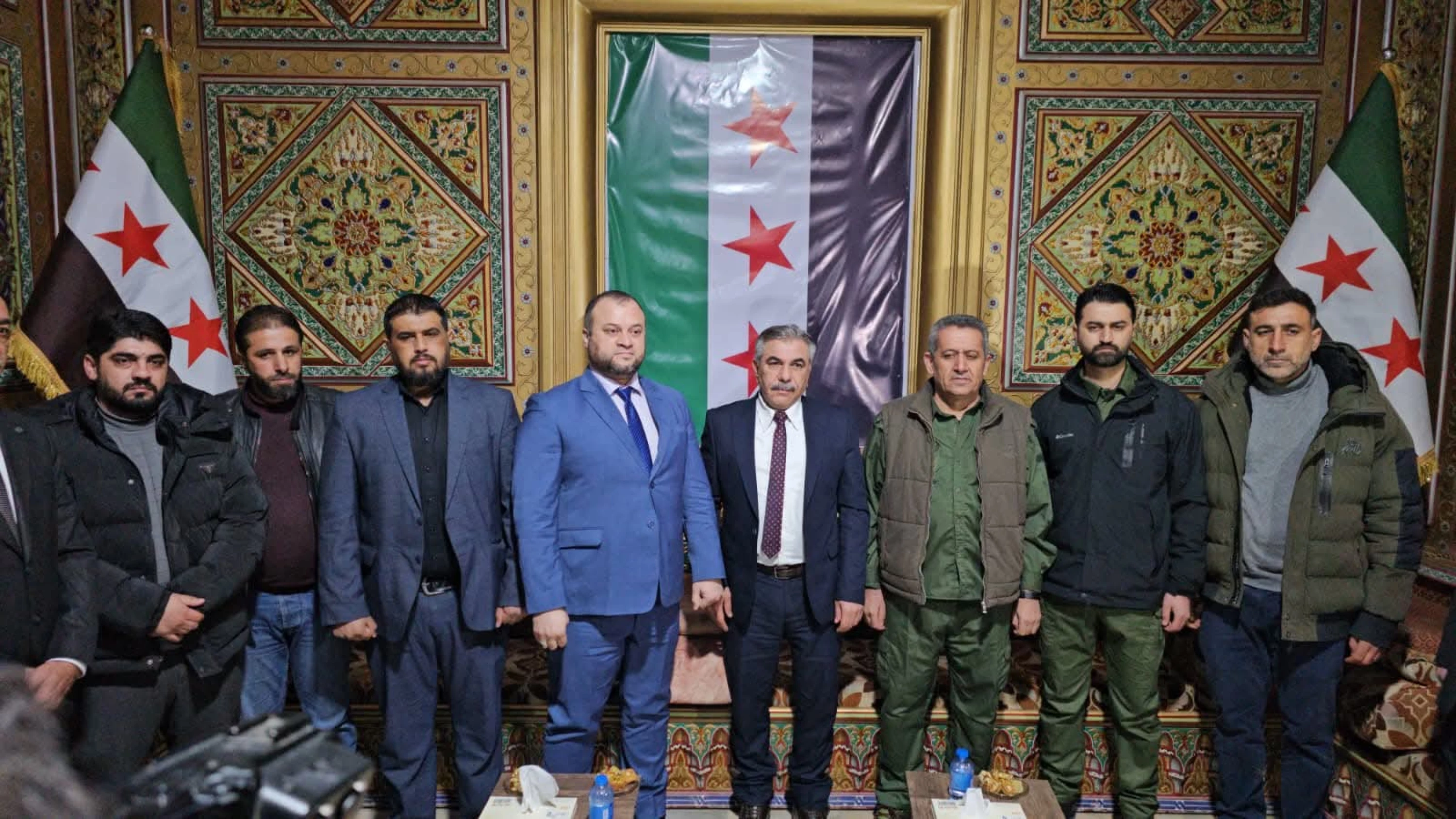
Speaking to reporters after a meeting with Hasaka Governor Nureddin Issa, Ali said that the pair had spoken with "total sincerity" regarding the late January agreement between the Kurdish-led Syrian Democratic Forces (SDF) and the Syrian transitional government, characterizing the atmosphere of the meeting as "very positive."
On January 29, SDF announced that it has reached a “comprehensive agreement” with Damascus to enable a phased integration process of the Kurdish-led forces into the Syrian state after weeks-long clashes between both sides.
The agreement came after a Damascus offensive against Rojava that spanned the better part of January, in a bid to secure Syrian President Ahmad al-Sharaa’s vision of a united, centralized Syria, despite the country’s marginalized minorities repeatedly calling for federalism.
The understanding led to a ceasefire, the entry of Syrian government forces into Kurdish-held areas in Hasaka province, as well as the appointment of the SDF-backed Nureddin Issa as Hasaka's governor, and Ali as the province's chief of internal security by the Syrian government.
Ali said that his meeting with the Hasaka governor saw discussions around "the implementation of the first three terms of the agreement, which are the ceasefire, the entry of security points that occurred last week, and the arrival of a delegation from the Ministry of Defense yesterday to sit with the SDF."
A delegation from the Syrian Ministry of Defense headed to Hasaka on Friday to discuss “procedures related to integrating members of the SDF into the military establishment” with the Kurdish-led force, Syrian state media reported.
The newly-appointed security chief said that he and Issa had "agreed on several steps that we will take, foremost of which is the stabilization of the terms [of the agreement]," as well as implementating its remaining terms, which include "the handover of Qamishli Airport and the Rmelan field, and the withdrawal of forces to their barracks from both sides to reduce tensions.”
In response to a question about the situation in Kobane, which has been under a tight siege since mid January by Damascus-affiliated factions leading to concerns about the humanitarian situation in the city, Ali said that Kobane's file is linked to that of Qamishli and Hasaka.
"Security forces will enter Kobane soon, and there will be a withdrawal of forces similar to the one that happened here… [then] not only will aid be allowed in, but the situation will return to normal entirely,” he told reporters, denying that Kobane is under siege.
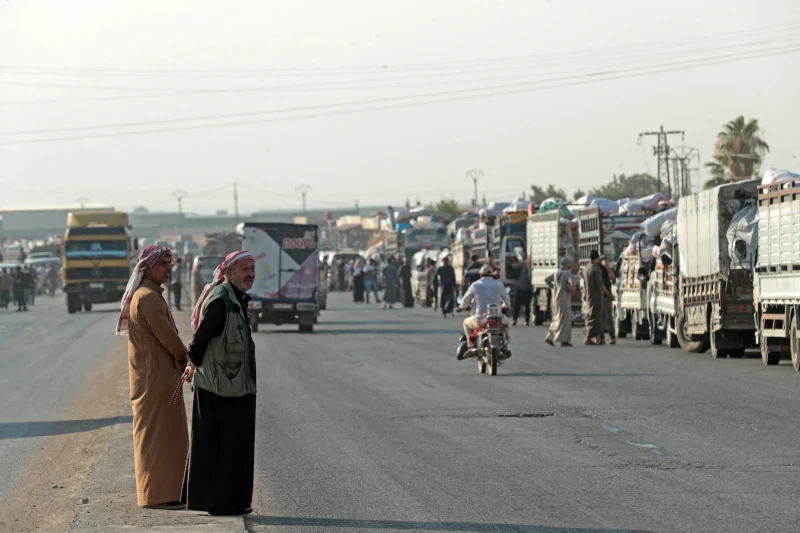
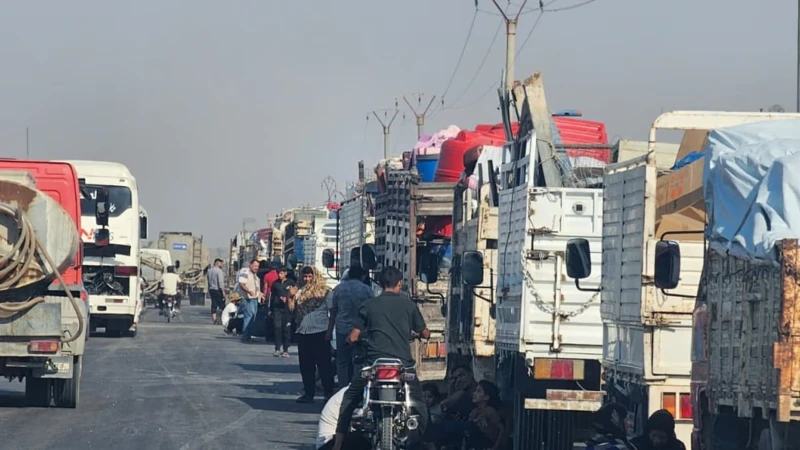
The Kurdish-led autonomous administration in Rojava in late January said that the offensive by Damascus-affiliated factions had displaced at least 350,000 people toward Hasaka, Qamishli, and Kobane, from Raqqa, Tabqa, and Deir ez-Zor.
Speaking about the displacement situation, Ali said that he had discussed the matter with the Hasaka governor, adding that "there are camps on both sides, and there are also people in Hasaka who went out and are staying outside."
 Facebook
 LinkedIn
 Telegram
 X
X