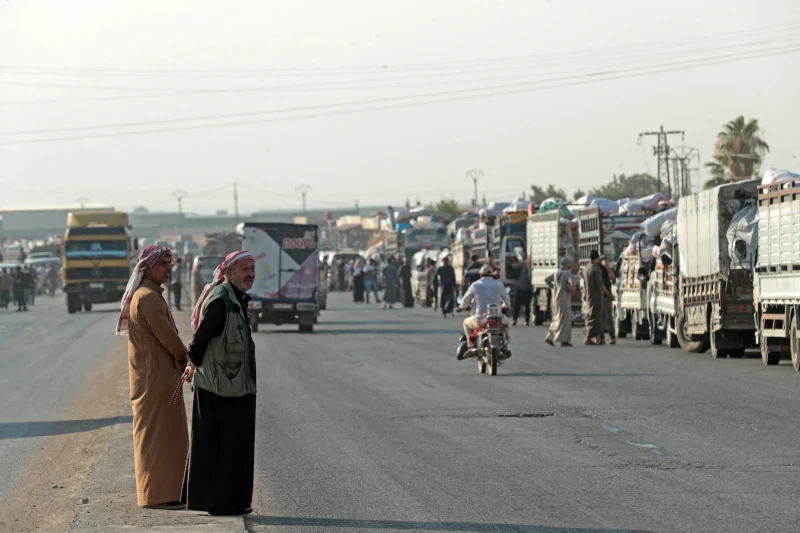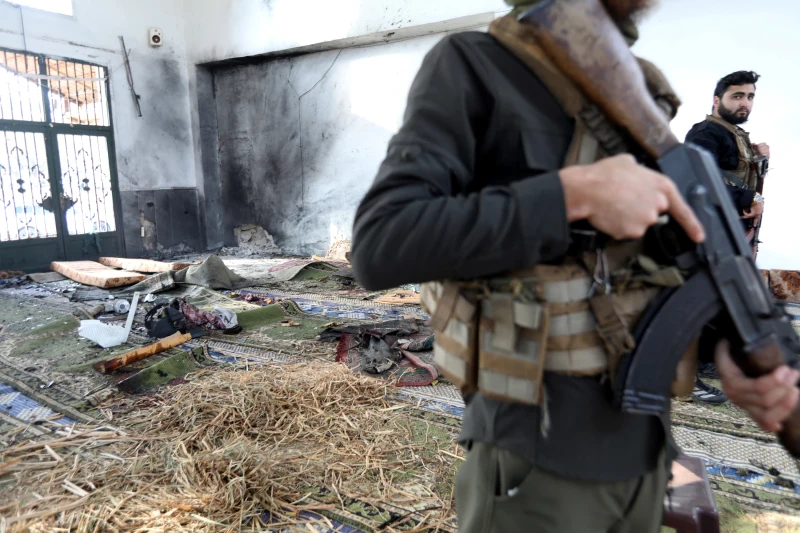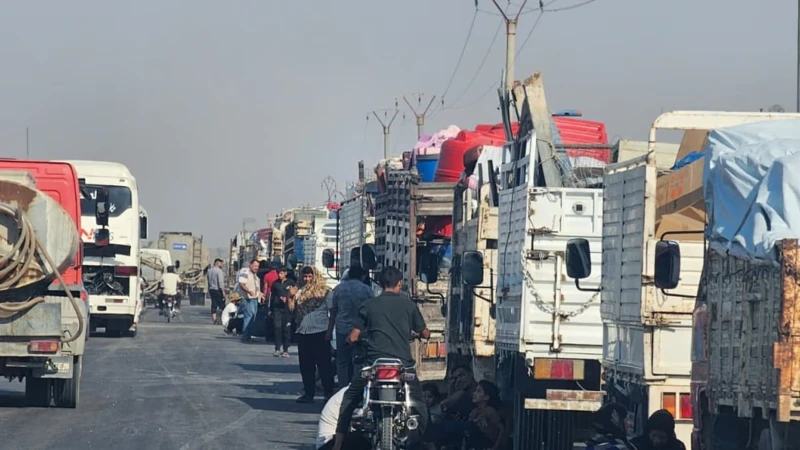
ERBIL, Kurdistan Region of Iraq – The symbolic Kurdish city of Kobane remains under siege and lacks basic necessities despite an agreement between the Syrian government and the Kurdish-led Rojava (northeast Syria) administration, a Kurdish official said on Sunday.
The recent agreement made by Damascus and the Kurdish-led force has not brought any practical change to Kobane, Mustafa Kobane, a leader in the Kurdish-led Syrian Democratic Forces (SDF), told The New Region. “On one hand, a deal has been made, on the other, the siege continues around Kobane.”
“Our people in Kobane have a very difficult life, in every way it is hard, there’s no electricity and no water. They say they will fix it, however, nothing has been done in practice,” he said.
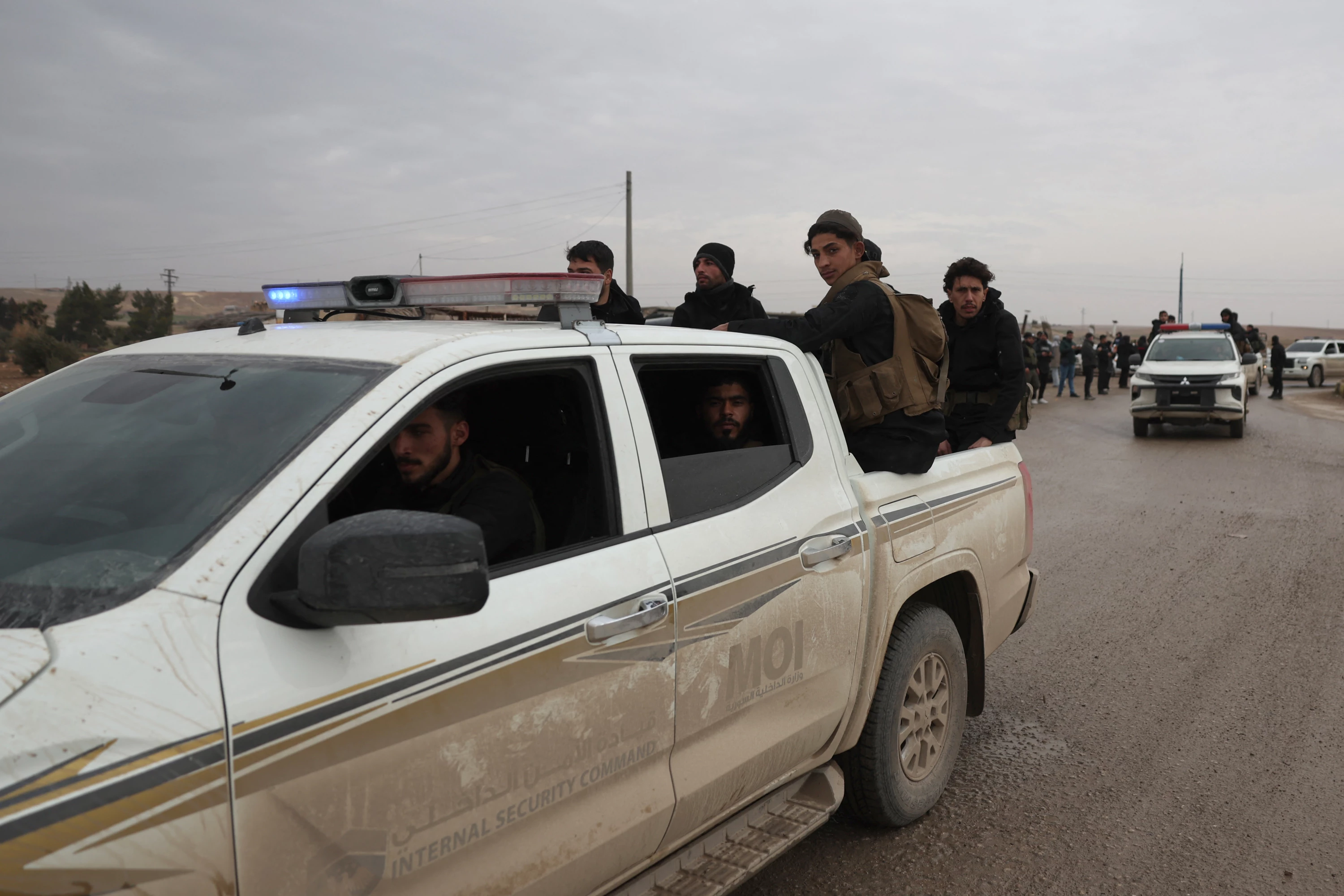
According to the official, no security steps have been taken to ease the burden on the Kurdish city besides a joint checkpoint by Kurdish-led internal security forces (Asayish) and Syrian security forces in the west of the city, with the entry of basic goods largely limited.
The city is a symbol for its heroic fight against the Islamic State (ISIS) in 2014, which saw the Kurdish People’s Protection Units (YPG) – supported by Kurds from Kurdish-majority southeast Turkey and the Kurdistan Region’s Peshmerga forces – push back a last advance by jihadists against a pocket of resistance left in the city.
The SDF leader cited its symbolism as the reason for the continued siege, saying it does not have oil or anything else that is valuable, so Damascus forces want to pressure the people by making their everyday life difficult.
Last month, the tight siege on Kobane led to the deaths of at least five children due to the severe cold and lack of medicine. Intense shelling also killed and injured several others.
Earlier in January, the Syrian Arab Army and its affiliated factions launched a violent military campaign on Rojava in a bid to secure interim President Ahmed al-Sharaa’s vision of a centralized Syria, killing hundreds of fighters and civilians in the process, with the attacking Syrian forces violating ceasefires, committing human rights violations, and possibly war crimes in their offensive.
The two sides reached an agreement to integrate the Kurdish-led force and its institutions into the Syrian apparatus in late January, and clashes have stopped since, while Kobane remains under pressure.
 Facebook
 LinkedIn
 Telegram
 X
X