
ERBIL, Kurdistan Region of Iraq – Iran’s foreign ministry on Tuesday said that the US' compliance with Israel’s demands constitutes a fundamental flaw in its foreign policy, arguing that it is up to Washington to act independently and away from “destructive influences” in pursuing nuclear talks with Tehran.
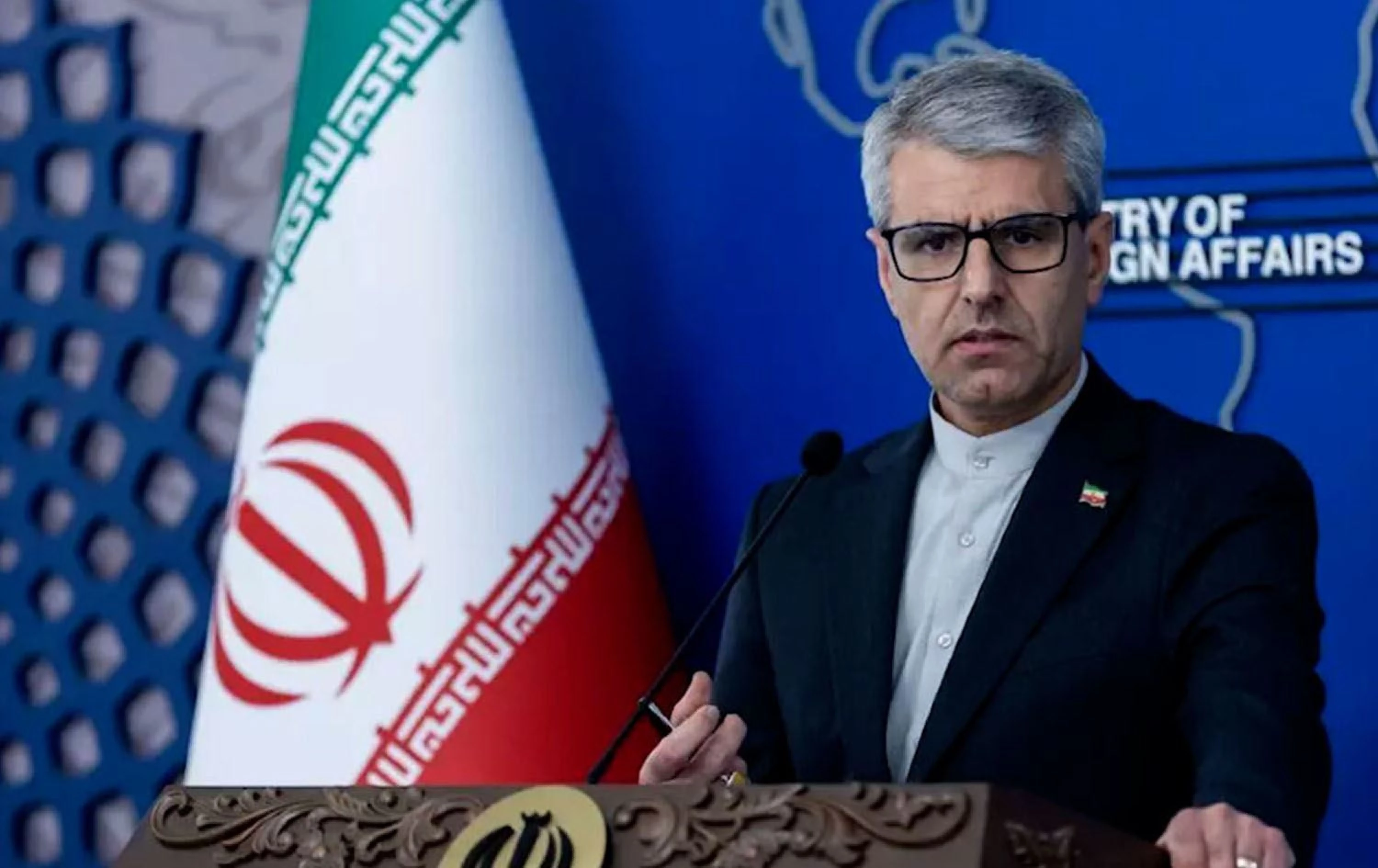
“The US fundamentally has one of its foreign policy problems in West Asia in this very alignment and compliance with the demands of the Zionist regime,” Iran’s foreign ministry spokesperson Esmail Baghaei said in response to a question on the impact of US-Israel alignment on negotiations with Iran.
“Our negotiating counterpart is the US, and it is up to the US to decide to act independently of pressures and destructive influences that certainly harm the region and even disregard the US's own interests,” he added.
Iran and the US held indirect nuclear talks in Muscat on Friday, marking the first time the two sides have sat down for negotiations since June of last year, when talks broke down after Israel launched a full-fledged war against the Islamic republic.
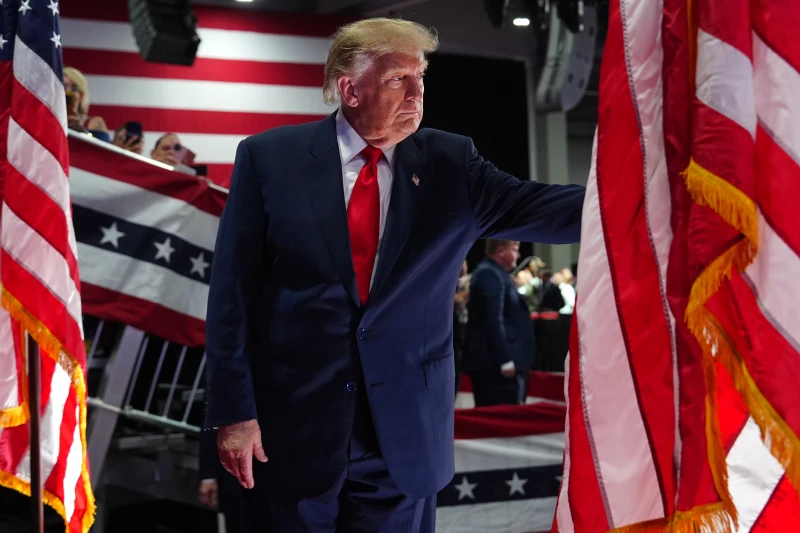
US President Donald Trump on Saturday described the opening round of new nuclear talks with Iran as “very good” while doubling down on his threat of a US naval fleet approaching Iranian waters.
The talks come amid the backdrop of heightened US military presence near Iran, with a “massive armada” deployed in the area as Trump mulls over potential military action in light of Tehran’s crackdown on the recent protests.
Israeli Prime Minister Benjamin Netanyahu is scheduled to meet with Trump on Wednesday to hold high-level talks regarding Iran’s nuclear program. The move may be concerning for Iranian authorities with Israel having long demanded Tehran halt its uranium enrichment and missile program.
While Tehran has displayed willingness to engage in talks regarding limiting its nuclear program, it has repeatedly stated that its ballistic missile program is “not subject to negotiation.”
“Regarding the nuclear issue, it is clear to all that the root cause of turning Iran's peaceful nuclear program into an artificial crisis has been the Zionist regime,” said Baghaei, accusing Israel of imposing an “imaginary fear” by inflating the concerns of “Iran’s nonexistent nuclear bomb.”
The spokesperson further highlighted the existence of mistrust with the American side due to what Iranian authorities have argued to be a “betrayal” of diplomacy from Washington through joining Israel’s airstrikes in June and withdrawing from the nuclear agreement that relieved economic sanctions on Tehran.
Tehran has repeatedly referred to the US direct military involvement in the 12-day war as a “betrayal” to diplomacy as the attacks came mere weeks after the two sides had held nuclear talks, citing the episode as a barrier to trusting any negotiations with Washington.
“The most important sign of doubt is the other party's negotiation record. We certainly cannot start a diplomatic process without considering what has happened over the past 10 to 15 years and what performance the other party has shown in the past seven to eight months,” said Bagahei.
Yet, he stressed that Tehran has not “shied away from diplomacy,” noting that there is a basis for starting another negotiation process with regional countries urging for diplomacy to resolve outstanding issues.
 Facebook
 LinkedIn
 Telegram
 X
X