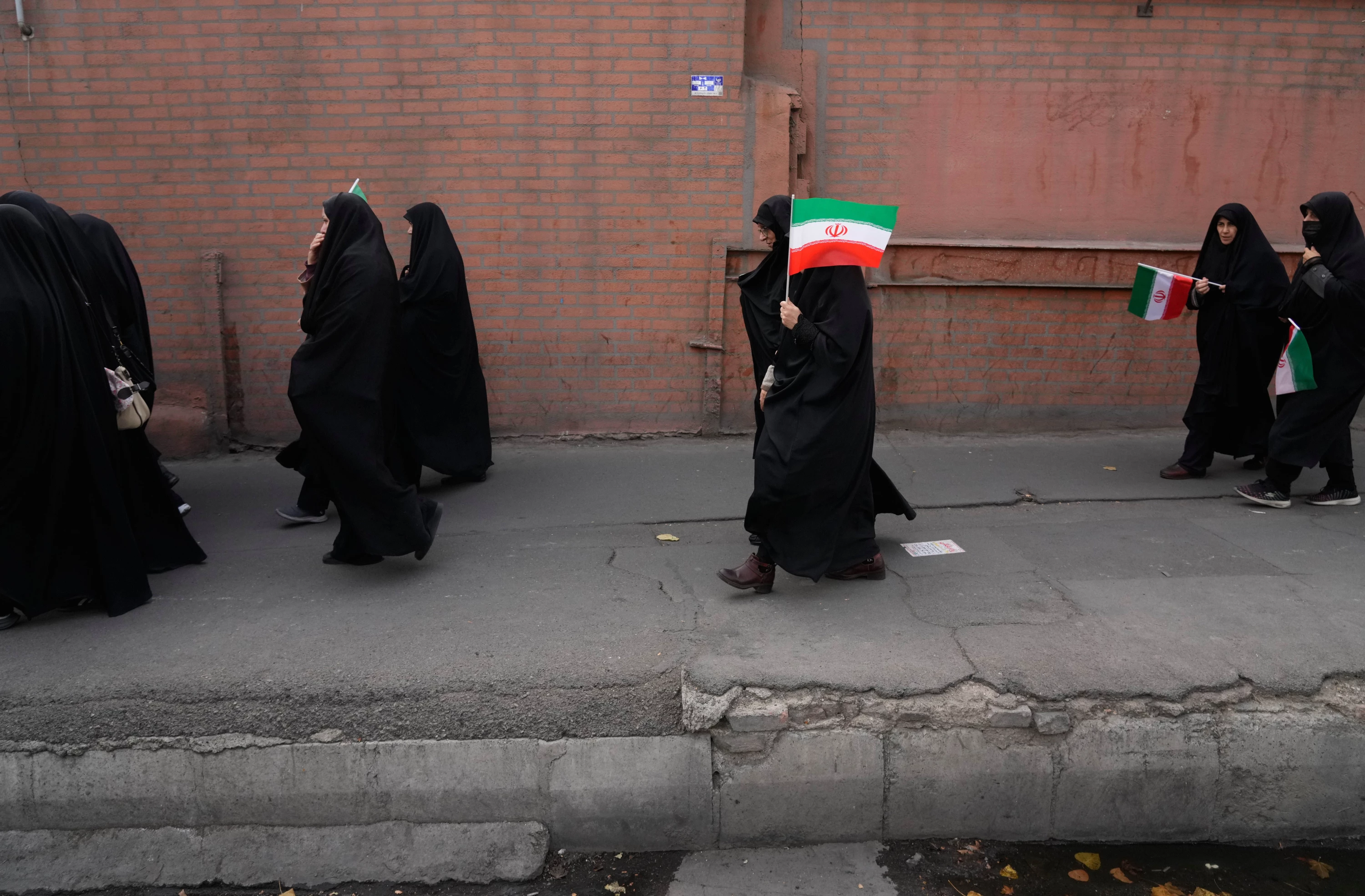
ERBIL, Kurdistan Region of Iraq – Iran's Fars News Agency on Wednesday denied that footage it shared of a pro-government rally in Ilam, a Kurdish-majority province in western Iran (Rojhelat), was doctored, with X users noting that the platform's Grok artificial intelligence said that it had been edited with simple tools to “mirror the crowd.”
The original video, which the Islamic Revolutionary Guard Corps (IRGC)-affiliated media outlet said originated from the official state outlet IRIB, was flagged with a community note by users who asserted that the video was modified.
“The people of Ilam created an epic with their enthusiastic presence at the 11th February march [anniversary of the Islamic Republic] today; this presence was so impressive that hostile movements, in a clumsy reaction to a film belonging to the IRIB, called the images of the ceremony a product of artificial intelligence,” Fars News Agency said in a later post responding to the replies.
Many users availed to the Grok tool in the post's replies, which said that the footage it showed “signs of editing and repeating sections (like mirroring the crowd) that could have been done with AI tools or simple software.”
Grok added that the video “might have been used for exaggeration” but said it did not appear to be “entirely artificial intelligence-generated.”
🎥 قابی از حماسۀ حضور مردم ایلام https://t.co/GN106OJZJJ pic.twitter.com/PuGR9RR8um
— خبرگزاری فارس (@FarsNews_Agency) February 11, 2026
Iranian outlets have long faced allegations of manipulating such videos to increase the apparent turnout at pro-government rallies, with IRIB aerial shot of a gathering in Tehran aired following January protests was also flagged by Grok as “manipulated with chroma key (green screen).”
#Breaking | The first aerial video of the people of Tehran, the capital of #Iran, marching in support of the Islamic Republic of Iran has been released. pic.twitter.com/TcFLQt6b1a
— Islamic Republic of Iran Broadcasting (IRIB) (@iribnews_irib) January 12, 2026
Such rallies are widely believed to be state-organized events during periods of unrest in the country.
The deadliest clashes erupted in Ilam province’s Malekshahi in January, where security forces opened fire on protesters with heavy weaponry, which left tens dead, leaving at least 257 Kurdish citizens dead from Rojhelat.
Iran has been rocked by nationwide protests since late last year, which have spread to the majority of provinces and increasingly become anti-government in nature, prompting a violent crackdown from Iranian authorities.
No reliable data is available on the exact number of casualties, but rights monitors estimate it to be in the thousands. The US-based Human Rights Activists News Agency (HRANA) reports that security forces have killed more than 6,955 protesters, injured over 11,000, and arrested more than 51,000.
The monitors argue that the numbers could be higher due to limited access to information.
Since January 8, Iran has intensified its crackdown on protesters, cut communication services and imposed a nationwide internet blackout, a repeated tactic during unrest that has made it significantly harder to obtain information.
 Facebook
 LinkedIn
 Telegram
 X
X