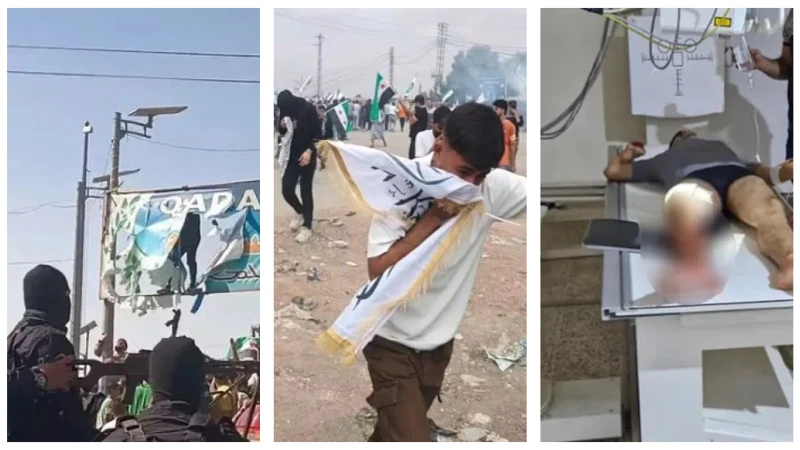
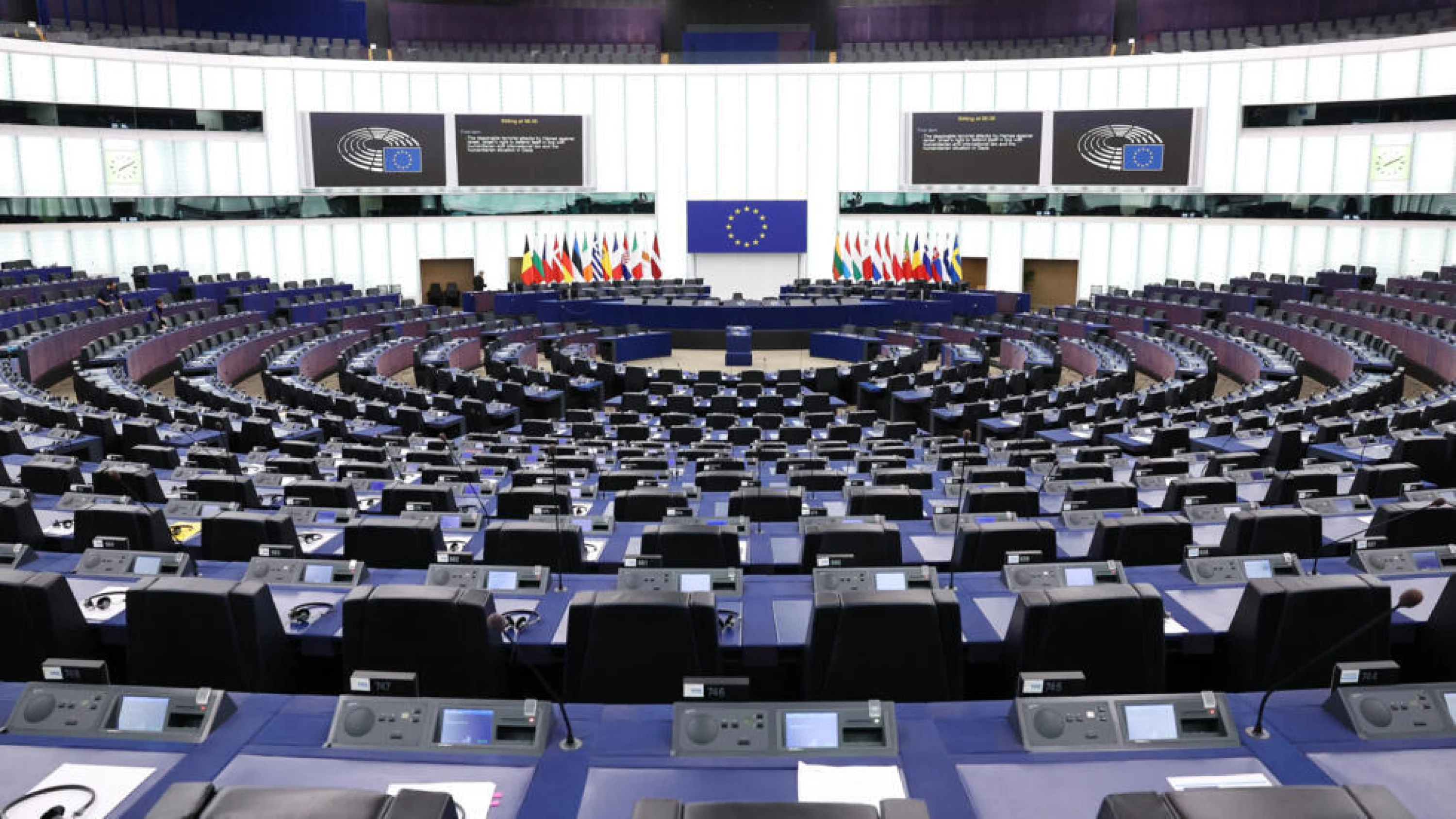
ERBIL, Kurdistan Region of Iraq - The European Parliament on Thursday issued a resolution asserting that recent abuses in Rojava (northeast Syria) may amount to war crimes, noting the prevalence of "credible reports" of atrocities directed "particularly against the Kurdish population," and urging Turkey to avoid undermining the ceasefire by taking military action or supporting armed factions.
MEPs voted on a text that expressed support for the recent ceasefire and integration agreement between the Kurdish-led Syrian Democratic Forces (SDF) and the Damascus government, as well as the recognition of Kurdish educational and civil rights by the latter, though cautioning that January's violence seemingly entailed gross violations of humanitarian law.
"Extrajudicial killings, enforced disappearances, arbitrary detention, forced displacement, and attacks on civilian infrastructure may amount to serious violations of international humanitarian law and, in some cases, to war crimes," a press release from the EU body regarding the resolution said.
The press release noted that parliamentarians in Strasbourg cited "credible reports, from the United Nations and non-governmental organizations, of recent abuses, particularly against the Kurdish population, including desecration of corpses, vandalized burial grounds, and the use of unguided munitions in civilian areas."
The resolution was adopted by 363 votes in favor and 71 against, with 81 abstentions.
The European Parliament, which comprises elected legislators from across the member states of the European Union, further urged regional actors "to refrain from undermining the ceasefire by taking military action or backing armed groups," singling out Turkey by name.
Turkey has been a salient backer of the current Syrian government dating back to the deposing of former President Bashar al-Assad in December 2024, when Hay'at Tahrir al-Sham (HTS), under the leadership of current interim President Ahmed al-Sharaa, spearheaded a dramatic offensive and seized power.
Ankara also lent vocal support to the nascent Syrian state during the January offensive in Rojava, having long considered the SDF to be inextricably linked to its domestic foe, the Kurdistan Workers' Party (PKK).
Despite the PKK announcing in 2025 that it would dissolve and pursue its aims via wholly political means following a historic call from the group's imprisoned leader Abdullah Ocalan, Turkey has maintained pressure on Kurdish armed factions they deem to be ideological fellow travelers in Rojava.
The European Parliament resolution also warned of the dangers of any Islamic State (ISIS) resurgence following the recent hostilities, with the turmoil having raised fears of escapes from camps containing ISIS detainees.
Iraq has sought to alleviate this risk by agreeing to take in prisoners from Rojava, with spokesperson for the Commander-in-Chief of the Iraqi Armed Forces Sabah al-Numan on Thursday saying that over 4,500 suspected members of the extremist group have been transferred so far.
Saad Maan, head of Iraq’s Security Media Cell, told state media on Sunday that the transferred prisoners are held in "fortified precautionary centers equipped with all approved protection and security measures," and that the cases will be purely handled by Iraq’s judiciary without any outside influence.
 Facebook
 LinkedIn
 Telegram
 X
X