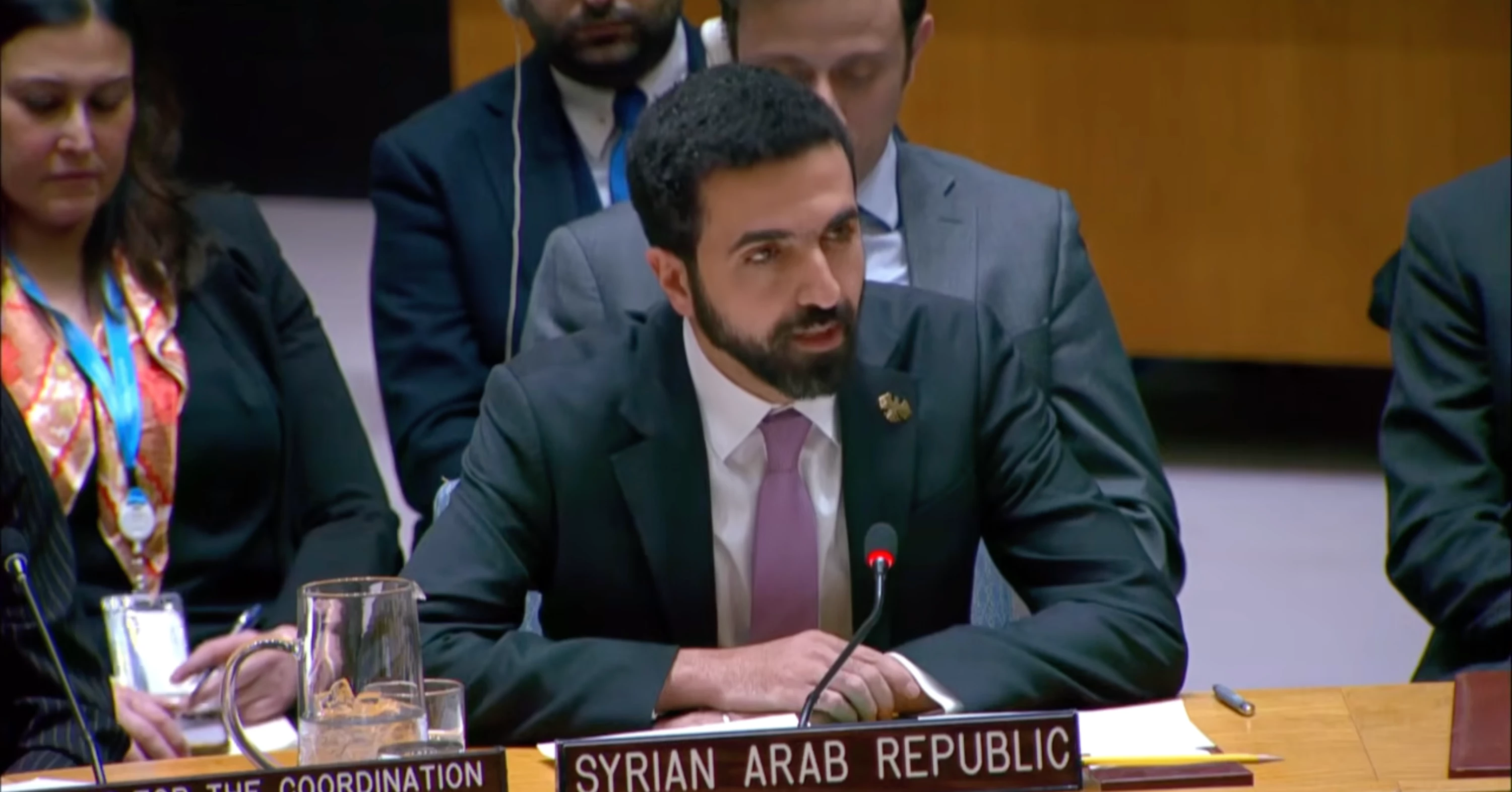
ERBIL, Kurdistan Region of Iraq – Syria’s ambassador to the United Nations on Friday said northeast Syria (Rojava) “is no longer a complex challenge,” after Damascus and the Kurdish-led forces reached an integration agreement.
“Syria continues to transform challenges into achievements, as you have heard today, northeast Syria [Rojava] is no longer a complex challenge but rather a national Syrian accomplishment that culminates in a successful path towards stabilization,” Ambassador Ibrahim Olabi said during a Security Council meeting.
In late January, the Syrian Democratic Forces (SDF) and the Syrian government reached an agreement aimed at halting hostilities and enabling a phased integration process of the Kurdish-led forces into Syrian state institutions.
“The comprehensive ceasefire agreement and the total integration of the SDF have entered into force. The integration of the military and security institutions has begun, this has been accompanied by the integrations of the autonomous administration’s institutions into the state institutions,” he added.
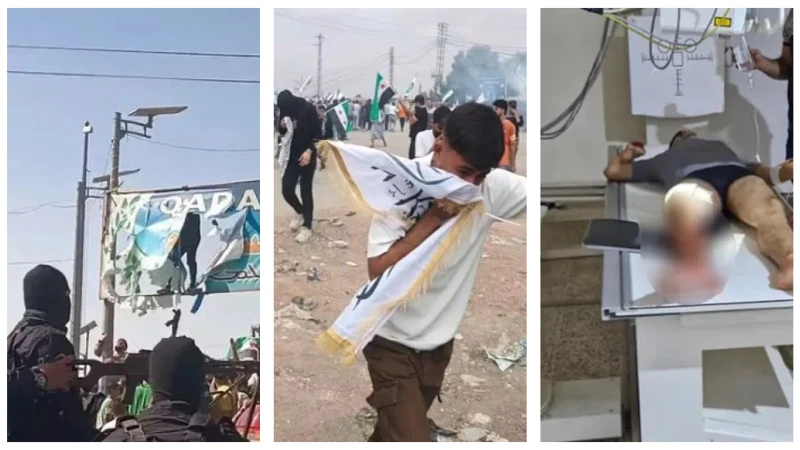
During the clashes, the SDF withdrew from facilities holding thousands of Islamic State (ISIS) members and their affiliates, including the notorious al-Hol camp, raising concerns of potential escapes as government forces took over.
Consequently, the US coordinated with Baghdad to transfer some 5,700 ISIS prisoners to Iraq, citing concern over the security situation in Syria, with the 23-day process ending on Friday.
“Al-Hol camp and its surrounding facilities have also been secured,” Olabi said, adding, “work is underway with international partners to end the dire humanitarian situation that have worsened in these camps over the past years.”
The UN's refugee agency in January warned that the turmoil could lead to security breaches, highlighting the poor conditions in the facility as an aggravating factor for detainees.
Rojava authorities have repeatedly called on countries to repatriate their nationals from the camps.
The Syrian representative added that Damascus has begun implementing Decree No. 13 by interim President Ahmed al-Sharaa, which describes Syria’s Kurds as “an essential and authentic component” of the country, and recognizes their cultural and linguistic identity as part of Syria’s national fabric.
“We have indeed started recognizing the civil and educational rights of the Kurdish community,” said Olabi.
Sharaa’s decree, signed on January 17, includes provisions recognizing Kurdish cultural and linguistic rights, designating Kurdish as a national language that may be taught in public and private schools in Kurdish-populated areas, abolishing the effects of the controversial 1962 census in Hasakah province, and granting Syrian nationality to previously stateless Kurds. It also declares March 21, the Kurdish New Year of Newroz, a nationwide paid public holiday.
At the time, Kurdish-led authorities criticized the decree, reiterating their call for a comprehensive national dialogue and a decentralized democratic constitution, saying such a framework is the only way to ensure equal rights, genuine partnership, and long-term stability in post-conflict Syria.
Damascus has strongly rejected decentralization, seeing it as a form of separatism, with the recent violent offensive into Rojava solidifying Sharaa’s vision for centralized power.
 Facebook
 LinkedIn
 Telegram
 X
X