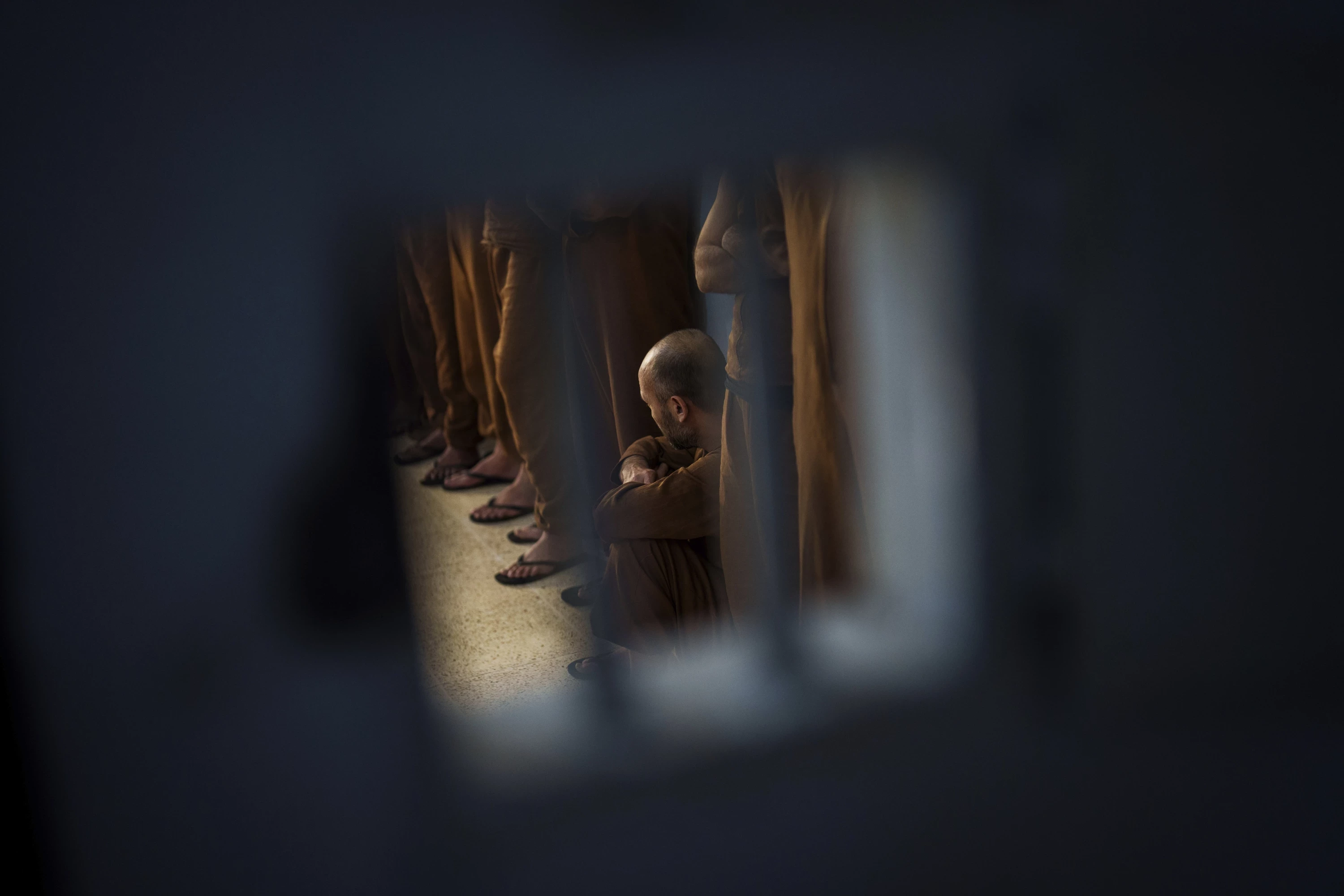
ERBIL, Kurdistan Region of Iraq - A total of 5,703 Islamic State (ISIS) prisoners from 61 countries have been transferred from Syria to Iraq after Baghdad agree to take in detainees amid a devolving security situation, the Iraqi justice ministry said on Saturday, with 467 of them being Iraqi nationals.
Iraq agreed to take in ISIS prisoners from its neighbor after the turmoil engendered by a January Syrian government offensive into Rojava (northeast Syria) raised fears that detention centers, previously operated by the Kurdish-led Syrian Democratic Forces (SDF), would be unable to maintain security amid the conflict.
A justice ministry spokesperson told Iraqi state media on Saturday that 3,543 of the transferees are Syrian, 187 Moroccan, 165 Turkmenistani, 181 Turkish, 130 Russian, and 116 Egyptian, with the remainder being comprised of other nationalities.
Baghdad is keen to repatriate foreign fighters to their countries of origin, though Iraqi Foreign Minister Fuad Hussein on Friday lamented that "European countries are the most hesitant about repatriating their citizens from ISIS," principally due to concerns regarding the reintegration of those with extremist ideologies and legal complications surrounding their prosecution for acts committed overseas.
US Central Command (CENTCOM), with whom Iraq has cooperated with extensively during the transfer process, announced Friday that the process had been completed.
"Job well done to the entire Joint Force team who executed this exceptionally challenging mission on the ground and in the air with great focus, professionalism, and collaboration with our regional partners," said CENTCOM commander Admiral Brad Cooper, who also expressed his appreciation for "Iraq's leadership and recognition that transferring the detainees is essential to regional security."
Iraqi National Security Advisor Qasim al-Araji said Thursday that Baghdad wishes to return Iraqi detainees to their homeplaces in a way that "ensures their rehabilitation and social integration, which contributes to ending pockets of vulnerability and preventing their exploitation by extremist groups."
"The Iraqi experience has proven that true security is not built by force alone, but rather by thought, justice, equal opportunities, and social integration," Araji asserted.
 Facebook
 LinkedIn
 Telegram
 X
X