ERBIL, Kurdistan Region of Iraq – Concerns are rising over the escape of families from the Roj camp in Rojava (northeast Syria) when Damascus assumes control, which houses suspects with links to the Islamic State (ISIS), nearly a month after Syrian government forces took over the much larger, notorious al-Hol camp, leading to residents reportedly escaping.
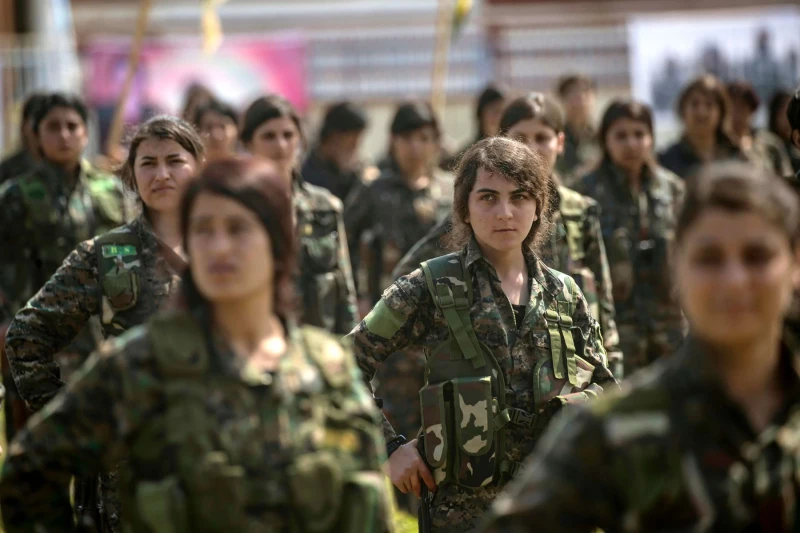
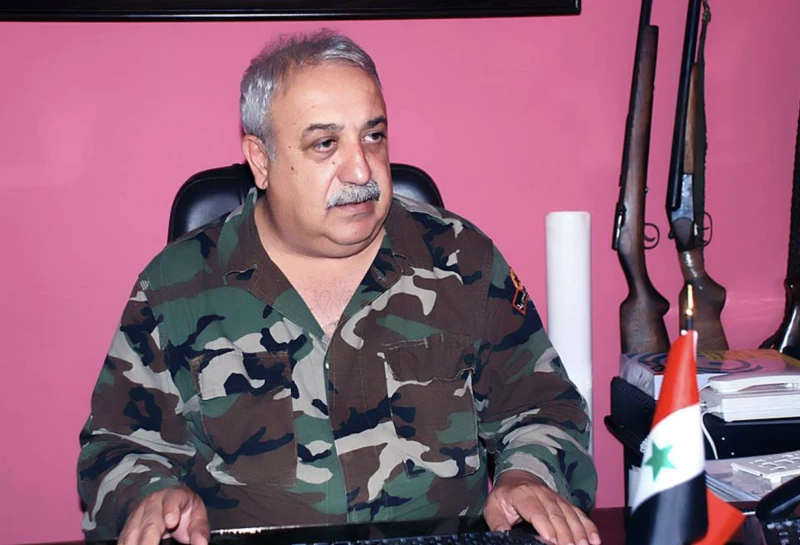
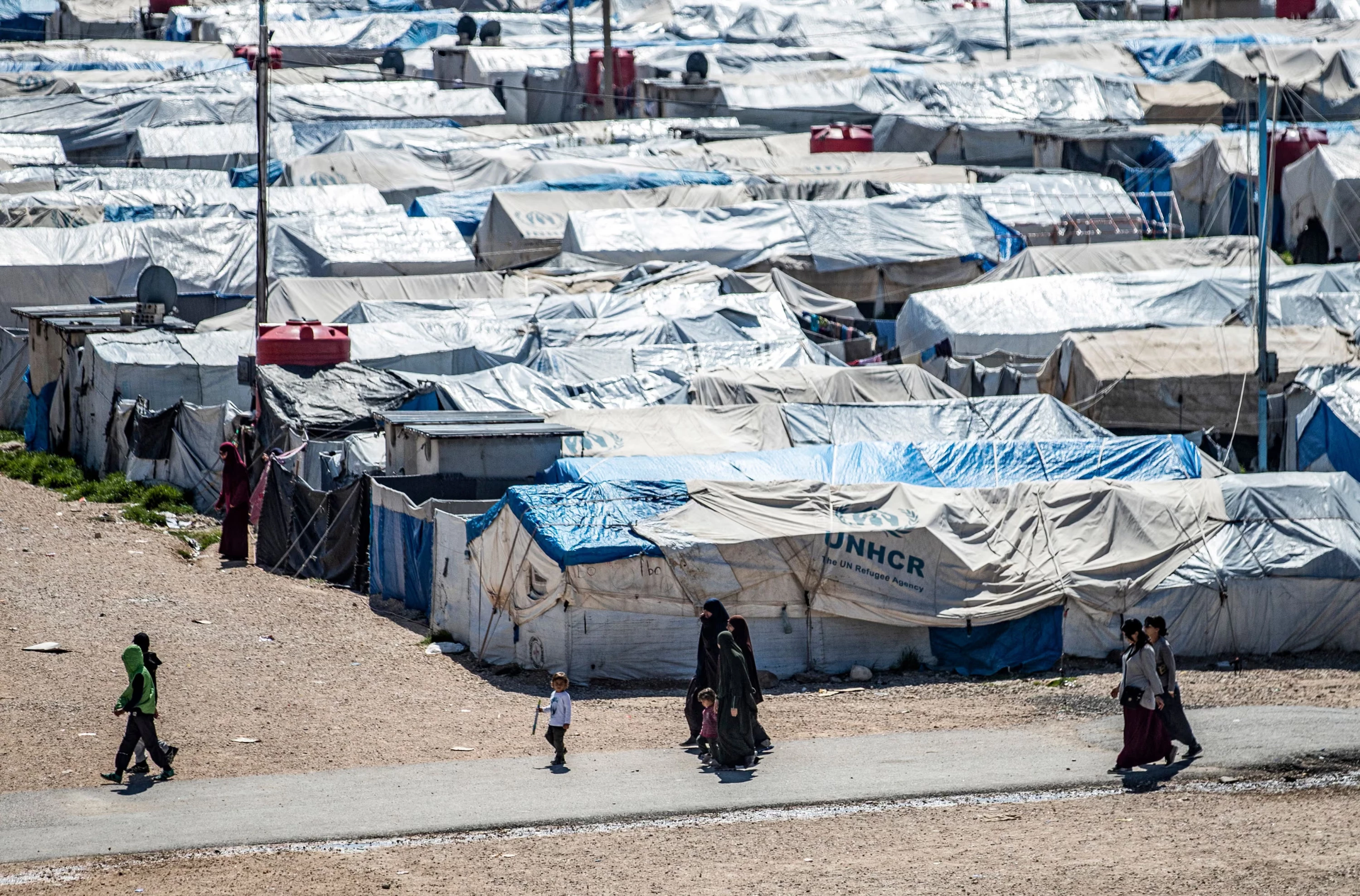
The Syrian Arab Army and its affiliated factions took the al-Hol camp in Rojava after Kurdish-led forces were forced to withdraw in the face of a brutal offensive against Rojava. NGO workers on the ground told The New Region that most of the 6,000 foreign ISIS women and children escaped from al-Hol by February 7.
The smaller Roj camp, still under Kurdish control, houses some 2,000 foreign ISIS families.
“According to the latest reports we have received, there are no more foreigners in the camp. They have gone to Idlib, and there is a strong chance that they will then go abroad,” Jihan Hanan, former director of al-Hol camp, told The New Region.
Hanan, who left the camp after it came under attack by Damascus-linked forces, added that some foreign ISIS families “have already gone to Lebanon.”
For years, Kurdish-led forces in Rojava have called on the international community to repatriate their ISIS-linked nationals.
In late January, Damascus and the Kurdish-led Syrian Democratic Forces (SDF) reached an agreement, stipulating the handover of Qamishli airport, border crossings, and oil fields to the Syrian government.
US Special Envoy for Syria Tom Barrack underlined that Damascus is positioned to take over all ISIS detention facilities and camps in Rojava.
“Roj is currently still in the hands of the autonomous administration,” Hanan said. “But I think it will soon fall into the hands of Damascus as well, according to the agreements. But beyond that, I don't know. Some of the people who went to Idlib will stay, some will leave, and some may even be abused. So anything could happen.”
The mass escape of foreign ISIS families happened two days before the Syrian government, for the first time, joined the meeting of the US-led anti-ISIS coalition in Saudi Arabia, after it officially joined the coalition in November.
A local NGO worker told The New Region that dozens of Damascus-linked foreign fighters transferred many foreign ISIS-linked women and their children to Idlib.
“One source said some women married foreign elements who are now part of the Syrian army,” the NGO worker said.
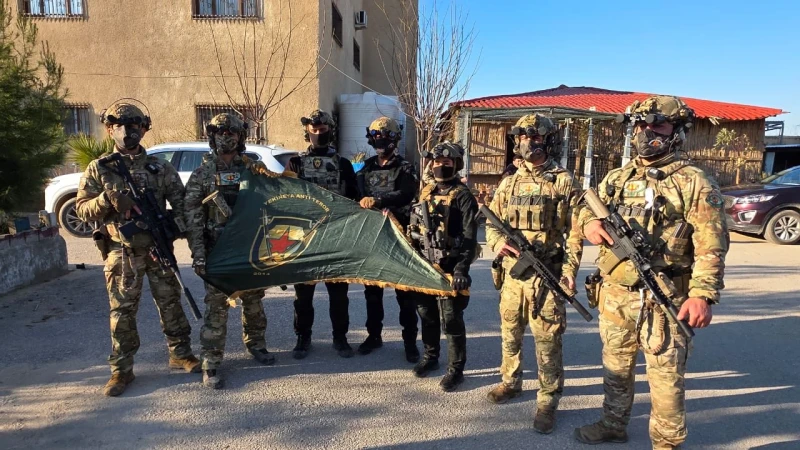
Another local source in Idlib told The New Region that some of the women and children headed to various IDP camps on the Turkish border. Others went to the French Firqat al-Ghuraba, or Strangers Division camp, which has remained outside of the control of the Syrian government.
Myles Caggins, a former US-led coalition spokesman, warned that the “mass release” of ISIS-affiliated individuals “always results in violence on the streets.”
“If any reasonable person listened to the words spoken by many women and children during their detention at Al Hol, they will immediately realize that opening the gates has created a danger to the world,” Caggins told The New Region.
He also criticized “some so-called experts” for “lionizing the ISIS women in al-Hol as a population of wrongfully-detained victims.”
In late January, the Syrian Arab Army accused the Kurdish-led SDF of releasing ISIS members from the Shaddadi prison facility. According to US estimates, some 200 ISIS fighters escaped the prison. The SDF vehemently denied the charges, stressing that Damascus-linked attacks were creating a security catastrophe.
Devorah Margolin, senior fellow at The Washington Institute for Near East Policy, told The New Region that “this week's chaos surrounding the emptying of the foreign annex in al-Hol sets a dangerous precedent on the detainee crisis.”
“Researchers, policymakers, and NGOs have been sounding the alarm that indefinite detention is not sustainable, and the security implications of foreign women leaving al-Hol without proper documentation, accountability, or a reintegration plan risk not only the security of Syria and neighboring Iraq, but also of countries around the world,” Margolin stressed.
According to previous estimates of the Norwegian Refugee Council (NRC), al-Hol previously hosted 14,000 Syrians, 6,200 third-country nationals, and 4,000 Iraqis. Now, the camp hosts fewer than 1,000 Iraqis.
On Sunday, the UN refugee agency confirmed it observed a significant decrease in the number of residents in al-Hol camp in recent weeks and that Damascus informed them of their plan to transfer remaining families to Akhtarin camp in Aleppo province.
Mona Thakkar, research fellow at International Center for the Study of Violent Extremism (ICSVE), tracking militant groups and their financial networks, told The New Region that more concerning, however, is that several foreign ISIS women who were active pro-ISIS propagandists online escaped from al-Hol after Damascus-aligned forces took over control of al-Hol.
“Since then, some have resumed fundraising activities, being vocal about their support for ISIS, not only to sustain themselves but also to finance the release of other ISIS women detained in Roj. In their messaging, they claim that “the brothers” - ostensibly referring to ISIS fighters - will free the remaining women from SDF-controlled Roj just as they claim were freed from al-Hol.”
“Many of these foreign fugitives, mainly radicals, claim that their ‘freedom' or their release was the fruit of their unwavering commitment to their faith and patience, and denounce their repatriation as having to go to 'disbelieving lands' and giving up on the faith. In their online discussions that I monitored, they have doubled down on their support for ISIS.” Thakkar warned.
ICSVE Director Anne Speckhard, who has been to both camps multiple times, suggested that if the women are freed, “they would try to go to Turkey or some other country that might accept them.”
Speckhard stressed that deradicalized women in the Roj camp have told her repeatedly that there are pro-ISIS women in the camp who want to rebuild the jihadists’ so-called “caliphate” and look forward to killing those who left the group.
“That could very well play out now,” she added, “depending on whether the Syrian government offers protection, sorts out the true believers from those long done with the Islamic State,” she said.
A European diplomat told The New Region that a potential escape of ISIS-affiliated individuals is “exactly the kind of uncontrolled collapse that we have feared.”
“It will have serious consequences for counterterrorism, criminal accountability, child protection, and regional stability,” the diplomat said, requesting anonymity.
“After the total disintegration of al-Hol, we will never be able to know the identities of all the detainees. The immediate concern is that the same will happen in Roj and for the remaining male detainees.”
 Facebook
 LinkedIn
 Telegram
 X
X