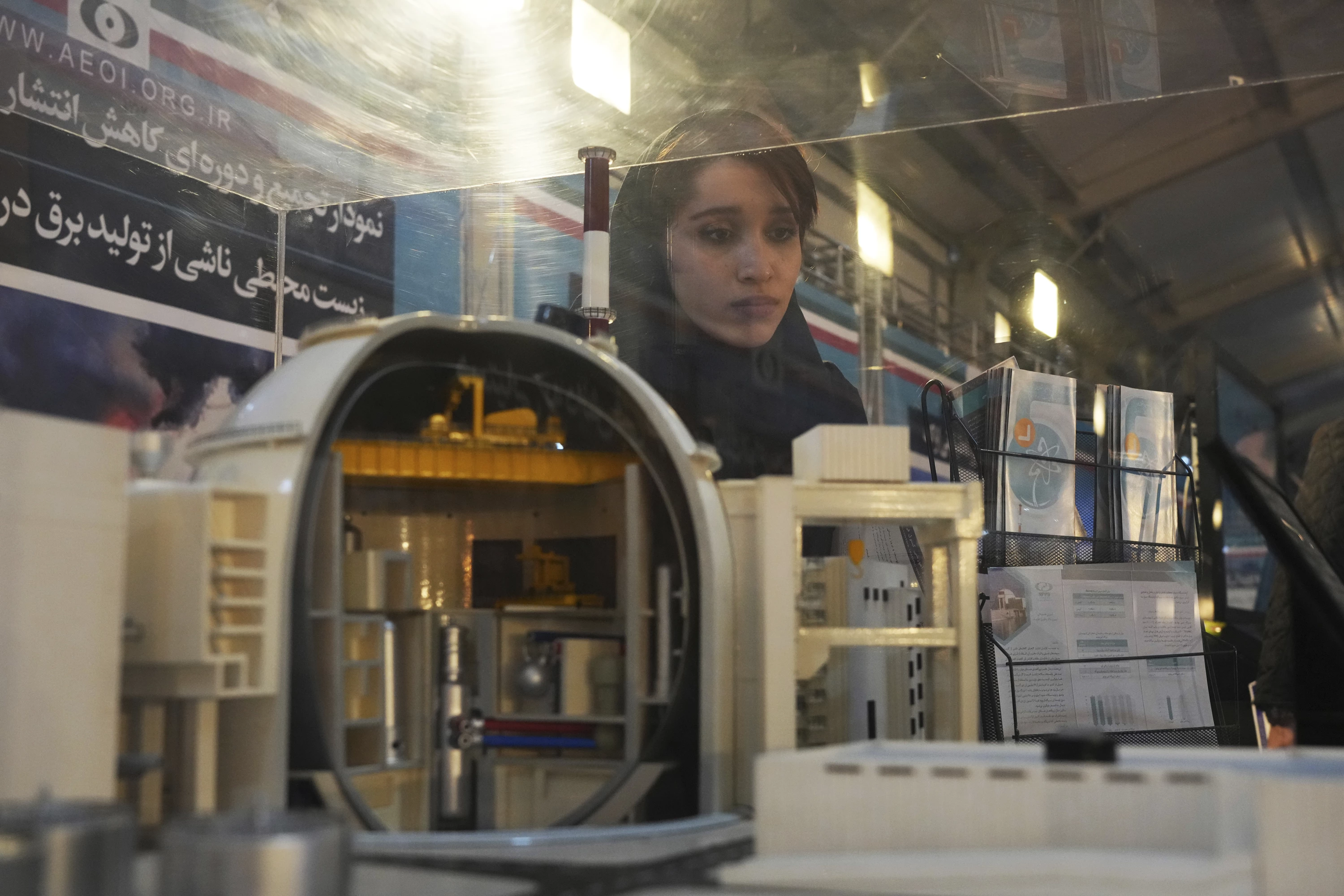
ERBIL, Kurdistan Region of Iraq – As construction of Iran's Bushehr nuclear power plant continues, Tehran and Moscow are mulling “the construction of several other units with high and low capacities on Iranian soil,” Russian Energy Minister Sergei Tsivilyov said on the sidelines of his visit to Tehran, coming as nuclear talks between Iran and the US continue to develop.
Tsivilyov, on an official visit to the country, held several meetings with high-ranking officials in Tehran, including Iranian counterpart Mohsen Paknejad and Iranian president Masoud Pezeshkian.
"The construction of the second and third units of the Bushehr nuclear power plant continues,” Tsivilyov said, according to a Russian embassy statement on Wednesday.
Tehran and Moscow are also considering “the construction of several other units with high and low capacities on Iranian soil,” the Russian official said, adding that “for this purpose, a joint working group has been formed that will submit its proposals for approval within the next three months.”
While nuclear power plants are primarily used to generate electricity, the underlying technology, including fuel enrichment, reactor operation, and spent-fuel handling, has dual-use potential and can, under certain circumstances, be diverted for military applications.
In September, Iran and Russia signed a $25 billion agreement to construct nuclear power plants in southeastern Iran. The two countries also agreed to maximize "economic and defense cooperation" as both countries face severe sanctions from the West.
The announcement comes as Tehran and Washington engage in indirect talks over Iran’s nuclear program.
Although Tehran described the discussions as yielding “positive outcomes,” Washington has stressed that Iranian authorities are not willing to acknowledge US President Donald Trump’s “red lines.”
Expanding on the “red lines,” US Vice President JD Vance noted that Washington does not want Iran to reach nuclear proliferation, arguing that would enable other regimes also to possess “the most dangerous weapons in the world.”
Iran has routinely denied intent to possess a nuclear weapon, asserting that its uranium enrichment program is used for “peaceful purposes.”
Indirect nuclear talks restarted in Oman earlier this month, and while the threat of military action lingers, both sides described the restarting of negotiations as positive.
Iran has been accused of providing support to Russia in its war in Ukraine, particularly by supplying Moscow with armed drones for use on the frontlines.
 Facebook
 LinkedIn
 Telegram
 X
X