ERBIL, Kurdistan Region of Iraq - Iranian ballistic missiles fire has decreased by 86 percent since the first day of fighting, Dan Caine, chairman of the US Joint Chiefs of Staff, said Wednesday, vowing to strike deeper into Iranian territory as the regional conflict rages on.
“Iran’s ballistic missile shots fired are down 86 percent from the first day of fighting, with a 23 percent decrease just in the last 24 hours,” Caine said, adding that 20 Iranian naval vessels were destroyed.
“We will now begin to expand inland, striking progressively deeper into Iranian territory,” he added.
The US and Israel on Saturday morning launched a large-scale military offensive across Iran, leading to the death of Supreme Leader Ayatollah Ali Khamenei.
US Secretary of Defense Pete Hegseth, during the joint presser with Caine, said, “Four days in, we have only just begun to fight.”
“The Iranian Air Force is no more — built for 1996, destroyed in 2026. The Iranian Navy rests at the bottom of the Persian Gulf — combat ineffective, decimated, destroyed, defeated," Hegseth continued.
He also announced that a US submarine had sunk an Iranian frigate in international waters off the coast of Sri Lanka, hailing it as the first torpedo strike on an "enemy ship" since World War II.
The US Department of Defense on Wednesday released footage of a submarine torpedo strike that sank the IRIS Dena, an Iranian naval vessel, off the coast of Sri Lanka pic.twitter.com/okjZNMo7Lt
— The New Region (@thenewregion) March 4, 2026
The strikes came less than two days after Iranian and American diplomats held indirect negotiations through Omani mediators — the third of their kind in February — aimed at reaching a deal over Iran’s nuclear program.
Washington pushed to include limitations on Iran's missile arsenals as part of the talks, with Tehran having refused to broach the topic, insisting that the dialogue remained solely about its nuclear capabilities.
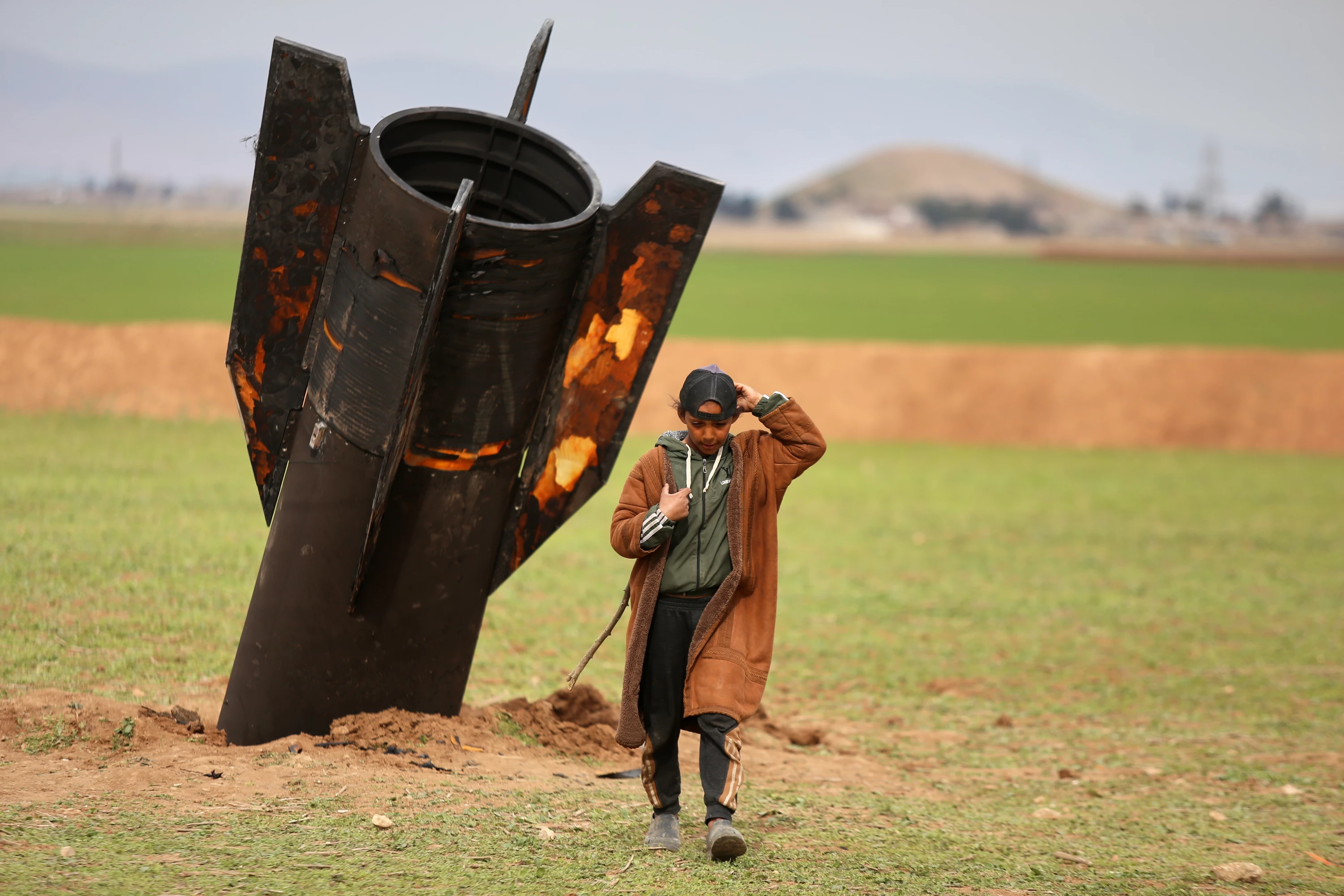
Iran has responded to the US-Israeli attacks by launching ballistic missiles and drones toward US interests across the region, killing at least six US personnel, while also causing heavy material damage and additional casualties in the countries hosting the bases.
“The only limits we have in this is Trump's desire to achieve specific effects on behalf of the American people,” Hegseth said. “You can say four weeks, but it could be six, it could be eight, it could be three.”
 Facebook
 LinkedIn
 Telegram
 X
X