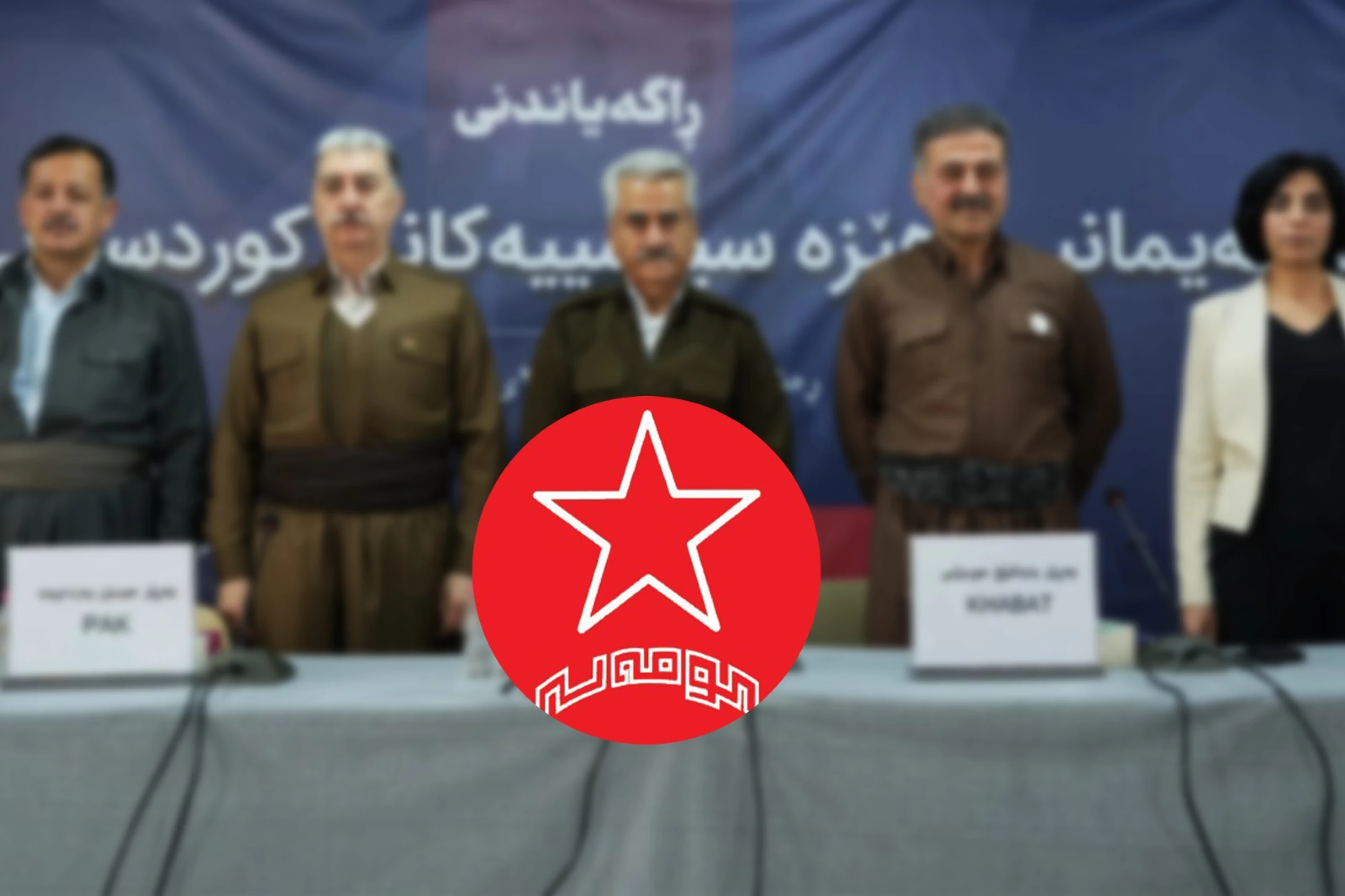
ERBIL, Kurdistan Region of Iraq – The Komala Party of Iranian Kurdistan on Wednesday announced that it has joined the coalition of five Kurdish opposition groups formed earlier with the goal of toppling the Iranian government, saying “a completely new phase,” after previously declining to join the alliance.
The move comes on the same day as US Secretary of Defense, when asked about the role of Kurdish opposition groups in assisting the US-Israeli military campaign against Iran, played down previous reports indicating that Washington will depend on an armed Kurdish insurgency to divert Iranian military personnel.
A CNN report on Tuesday asserted that the US Central Intelligence Agency (CIA) has provided backing to Kurdish dissidents, paraphrasing one source as saying, "The idea would be for Kurdish armed forces to take on the Iranian security forces and pin them down to make it easier for unarmed Iranians in the major cities to turn out without getting massacred again as they were during unrest in January."
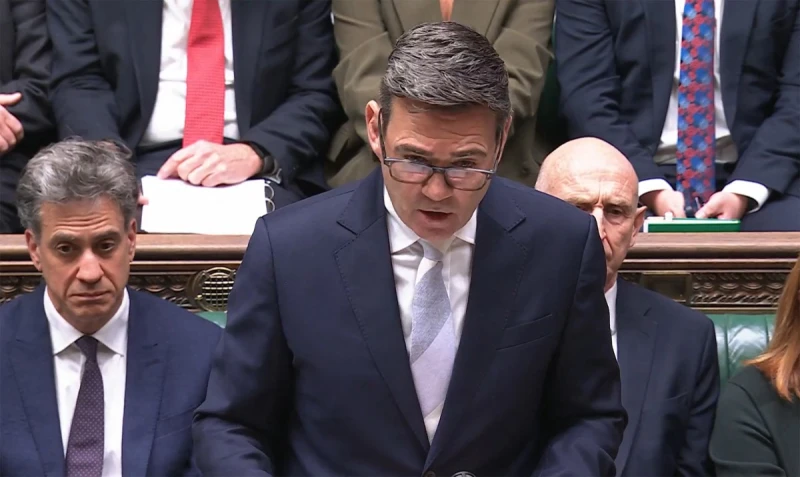
Hegseth, however, in an address on Wednesday said that "none of our objectives are premised on the support or the arming of any particular force," adding, "What other entities may be doing we’re aware of, but our objectives aren’t centered on that."
With Komala joining the “Alliance of Political Forces of Iranian Kurdistan,” which was initially announced in late February, the coalition now consists of six Kurdish opposition groups from western Iran (Rojhelat), leaving one other of the most known opposition parties — the Komala Kurdistan’s Organization of the Communist Party of Iran (known as Komala CPI) — not participating.
General Secretary of the Kurdistan Democratic Party of Iran (KDPI) Mustafa Hijri, one of the members of the coaliton, held a "a very positive conversation" phone call with US President Donald Trump, a KDPI source told The New Region on Tuesday.
Abdollah Mohtadi, secretary-general of Komala, described the development as “very good news for the people of Kurdistan,” adding that unity among Kurds is needed “more than ever,” he wrote on X.
“Everyone can see that in recent days a completely new phase has emerged. The wave of change has turned toward our region more than ever before, placing eastern Kurdistan [Rojhelat] in the face of a very sensitive and historic situation, one that, more than ever, requires unity, coordination, and joint action,” Komala said in a statement on Wednesday.
The developments come as regional tensions rise, with the US and Israel launching a large-scale military offensive across Iran on Saturday morning, and Tehran responding with ballistic missiles and drones targeting US bases across the region.
Following the supporters' call on the group to play a greater role in strengthening unity within the “Kurdish house,” its political bureau decided to join the coalition, Komala said while citing its commitment to “historical responsibilities and national interests” and pledging to pursue key issues through “comradely dialogue” within the alliance.
The group declined to join the alliance after nearly eight months of dialogue among seven Kurdish opposition groups in late February, citing a lack of “executive mechanism.”
Since the war broke out, bases of Kurdish opposition groups in the Kurdistan Region have come under attack.
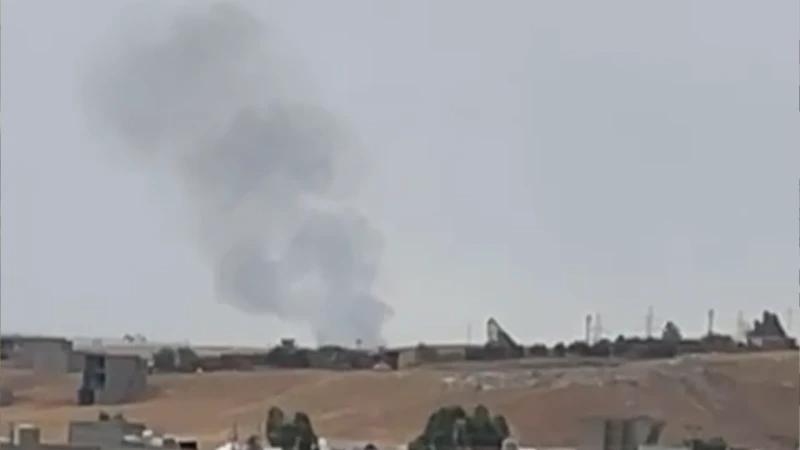
An Iranian strike on Wednesday targeted a base of the exiled Kurdistan Freedom Party (PAK) in Erbil’s Koya district, killing at least one person.
The dissident parties, many of whom are based in the Kurdistan Region, have long been military targets for Iran, drawing concerns from the Kurdistan Regional Government (KRG) over the Region’s security.
Iran’s Islamic Revolutionary Guard Corps (IRGC) said on Tuesday that it used about “30 drones” to strike Kurdish opposition groups based in the Kurdistan Region, vowing a “decisive and rapid confrontation."
 Facebook
 LinkedIn
 Telegram
 X
X