ERBIL, Kurdistan Region of Iraq – Tehran on Sunday accused Washington of deliberately striking the country’s fuel storage facilities, causing the release of toxic chemicals that could harm people and the environment beyond Iran’s borders, despite US claims of sparing energy infrastructure in the war with Iran.
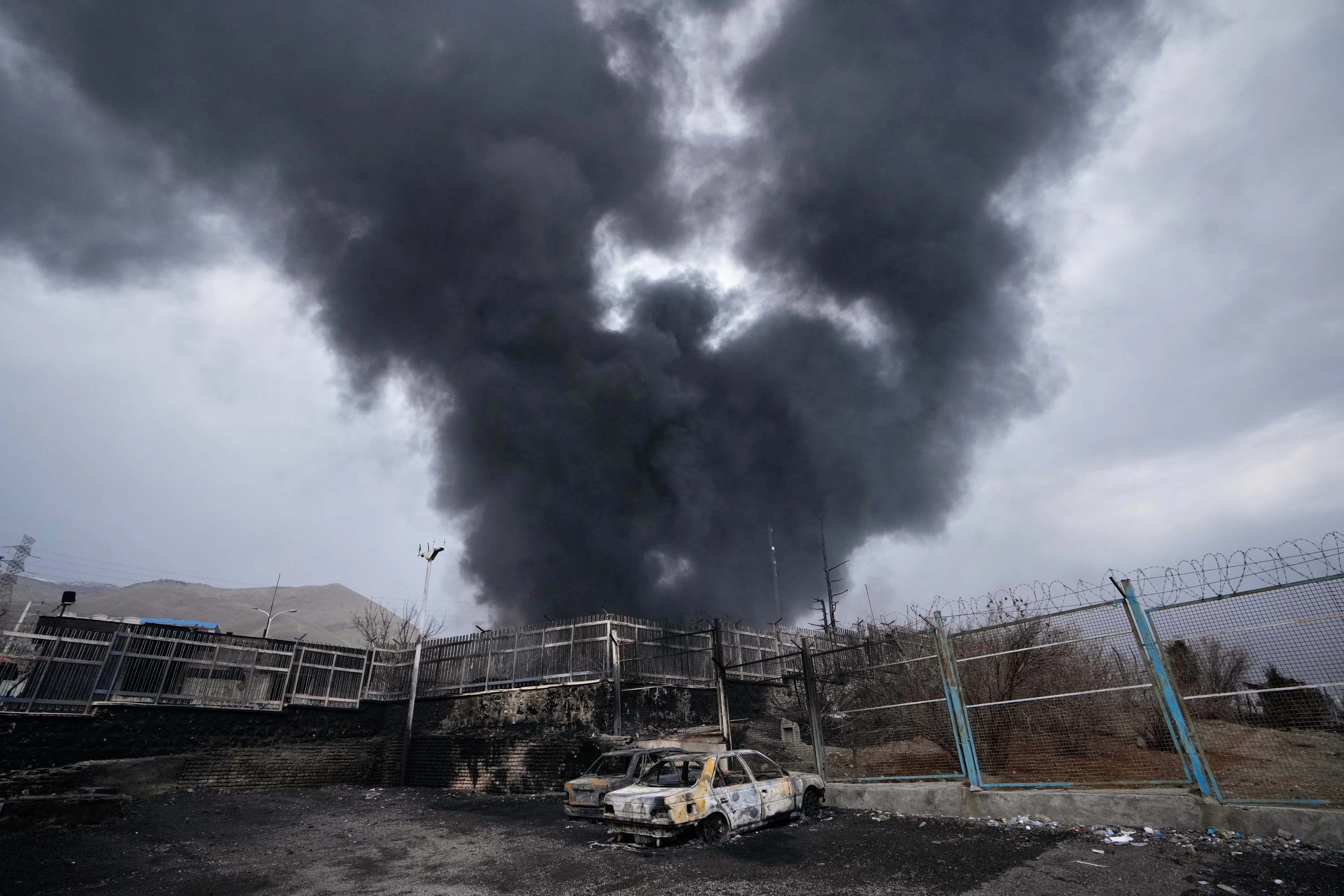
The US-Israeli war on Iran has reached "a dangerous new phase," with strikes on energy infrastructure and fuel storage facilities releasing "hazardous materials and toxic substances into the air,” Iranian foreign ministry spokesperson Esmaeil Baghaei wrote on X.
The dangerous chemicals are "poisoning civilians, devastating the environment, and endangering lives on a massive scale," the consequences of which "will not be confined within Iran's borders,” Baghaei added.
Meanwhile, US Energy Secretary Chris Wright told CNN that the US is targeting “zero energy infrastructure” in the attacks on Iran, adding that there are “no plans” to attack “anything about their energy industry.”
The spokesperson’s remarks follow an Israeli strike on Iranian oil storage facilities the day prior, igniting large blazes in the first such attack since the conflict began last week.
Wright noted that the attacks were “Israeli strikes” and only targeted “local fuel depots,” not vital energy infrastructure.
The conflict has largely disrupted shipping through the Strait of Hormuz, one of the world’s most important shipping routes and its most vital oil transit chokepoint, with Iranian forces attacking several vessels attempting to cross it.
The development has led to a sudden rise in oil and diesel prices, with almost 20 million barrels of oil per day unable to make it safely past the waterway.
“The price of gas has gone up $0.47 and the price of diesel has gone up $0.83 in 10 days due to war with Iran,” US Representative Thomas Massie wrote on X, while noting that waging the war costs American taxpayers “about $1 billion per day.”
On Tuesday, US President Donald Trump said that the US Navy "will begin escorting tankers through the Strait of Hormuz" if necessary, seeking to avoid potentially severe worldwide economic consequences.
 Facebook
 LinkedIn
 Telegram
 X
X