ERBIL, Kurdistan Region of Iraq – The Kurdistan Region on Sunday responded to claims by Baghdad that it is unwilling to export oil through Ceyhan pipeline, blaming the Iraqi government for overlooking an ongoing economic embargo on the Region and failure to put an end to state-linked pro-Iran factions’ attacks on infrastructure.
Iraq’s oil ministry on Sunday accused the Kurdistan Region of refusing "to resume exports at this time,” after Iraq’s oil exports from the south were halted due to the ongoing conflict in the Middle East, demanding that Erbil resumes exports "immediately".
Hours later, the Region’s Ministry of Natural Resource responded to Baghdad’s statements, stating it “distorts the facts and attempts to blame the Kurdistan Region in order to mislead public opinion.”
The ongoing “suffocating embargo” imposed on the Region was one of the main complaint points highlighted by the ministry, accusing Iraq of preventing dollars from reaching the Kurdistan Region’s traders, effectively halting commercial activity.
The New Region has learned that Kurdistan Region Prime Minister Masrour Barzani sent a letter to the Iraqi Prime Minister Mohammed Shia’ al-Sudani days prior, asking Baghdad to halt the economic embargo on the Region in return for the exportation of Iraq’s oil through the Ceyhan port.
The embargo was placed “under the pretext of implementing the ASYCUDA customs system,” according to the natural resources ministry, which accused Baghdad of failing “to allocate the necessary time and arrangements for the Kurdistan Region to implement the system.”
The ministry’s mentioned that “production has been taken offline, leaving no oil available for export,” as a result of continuous drone and missile attacks by “outlaw militias” targeting the Region’s “oil, gas, and energy fields.”
Kurdistan Region’s energy infrastructure has been subjected to numerous attacks by pro-Iran Iraqi militias, which are often officially incorporated into the Iraqi state security apparatus as part of the Popular Mobilization Forces (PMF).
Aziz Ahmad, deputy chief of staff to Prime Minister Masrour Barzani, said that “these militias are part of the government and parliament,” after strikes targeted Erbil and Sulaimani late on Saturday.
“We always share the names of the perpetrators with the government in Baghdad. After hundreds of attacks over several years, there have been zero convictions,” he lamented. “All we hear are promises of investigations.”
The natural resources ministry further accused Baghdad of not taking any “effective measure” to confront or prevent the attacks, asserting that a large number of the attackers “receive their salaries from Baghdad, are armed and financed, while the salaries of the people of Kurdistan are perpetually delayed and sent in amounts less than the required minimum.”
Baghdad’s oil ministry had noted that the region conditions “can be discussed later,” when the exports resume, noting that the conditions are “unrelated to the issue of crude oil exports.”
The launching of a US-Israeli military offensive against Iran in late February, and the subsequent retaliation campaign by Tehran which has seen the targeting of myriad regional countries, has caused extensive disruption to Iraqi oil exports, with Oil Minister Hayyan Abdul Ghani saying Thursday that production has diminished from over four million barrels per day to merely 1.4 million now.
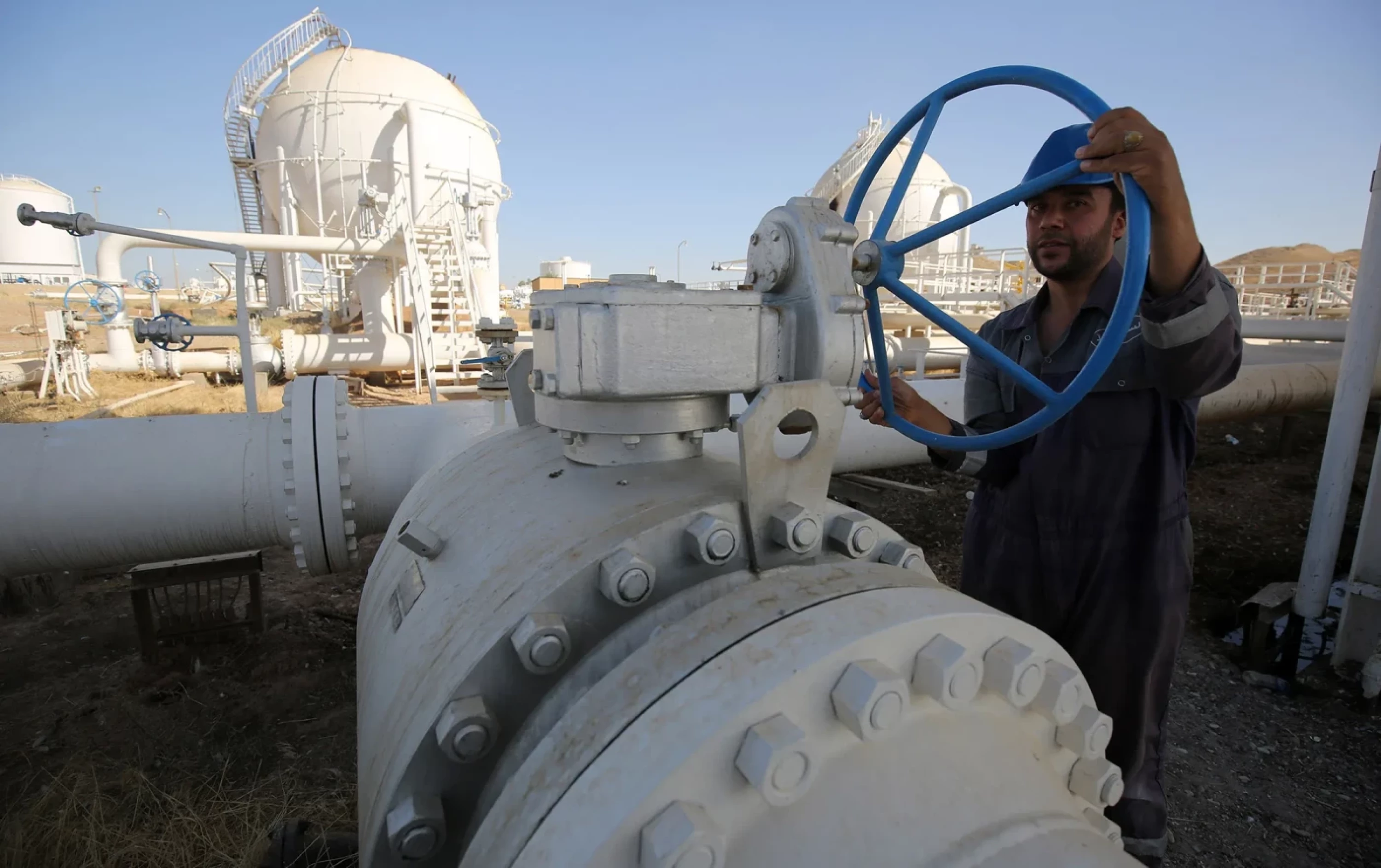
Oil exports through the strategic Strait of Hormuz have been practically closed by Tehran, halting the transfer of oil from southern Iraqi fields, which prompted authorities in Iraq to look to the Kurdistan Region’s Ceyhan pipeline on the border with Turkey as an alternative export route to ease the economic strain.
Iraq’s oil sale revenues held at the US Federal Reserve have not yet been transferred back to the country since the start of the year due to flight suspensions prompted by the conflict, further pressuring Baghdad to find alternative export routes.
 Facebook
 LinkedIn
 Telegram
 X
X