ERBIL, Kurdistan Region of Iraq – Kurdistan Region Prime Minister Masrour Barzani has proposed a comprehensive solution to accomodate Baghdad's request to use Erbil's pipelines for oil exports, while also addressing Erbil's grievances regarding customs and the ongoing trade embargo.
On March 8, Barzani forwarded a special letter to the Iraqi Prime Minister Mohammed Shia' al-Sudani, focused on outstanding issues regarding the customs classification system, and exports of Iraqi oil through the Ceyhan pipeline, with Baghdad pressing the Region to adopt the ASYCUDA international system in an effort to centralize customs revenues and expenditures.
The New Region has obtained information regarding the content of the letter, according to which the Kurdish leader suggested that a special version of the system be created for the Kurdistan Region, with the Kurdistan Regional Government (KRG) supervising it.
Per Barzani's proposal, the KRG will retain the customs revenues, and forward 50 percent of it to Baghdad within the framework of the Erbil-Baghdad budget agreement.
According to the proposal, the system would be implemented within nine months, and in return Baghdad would lift the existing economic embargo on the Region and stop blocking dollar access for the Kurdistan Region's traders.
Aziz Ahmad, deputy chief of staff to Prime Minister Masrour Barzani, said that the KRG has made one "consistent request" to Baghdad, which is to "lift the trade embargo" imposed on the Region. He also noted that the KRG is ready to unify tariffs and implement the customs system but "needs time to do so."
The New Region has learned that the U.S. Treasury Department and the Central Bank of Iraq have endorsed Barzani’s proposal, however, Sudani has not agreed to the proposition, and instead asserted that the implementation of the ASYCUDA system must be under the Iraqi government’s control.
Sudani also refused to lift existing checkpoints between the Kurdistan Region and federal Iraq, which was another request put forth by Barzani in the case of the implementation of the system in the Region.
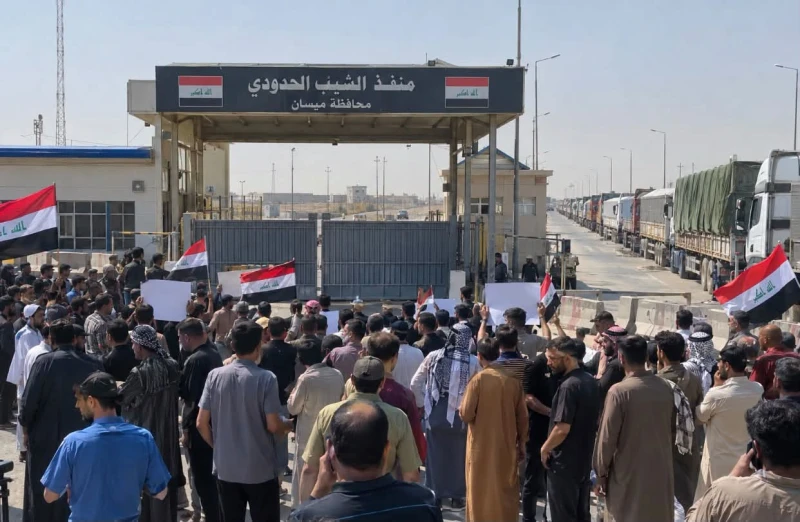
Currently three customs checkpoints have been established in Mosul, Kirkuk and Diyala, which restrict the export of local produce and goods from Kurdistan to Iraqi cities.
The developments come as Baghdad demands that Erbil allows the export of Iraqi crude oil through the Ceyhan pipeline, after the halt in oil transportation in southern Iraqi fields due to the ongoing conflict in the Middle East and the closure of the strategic Strait of Hormuz.
Iraq’s oil ministry on Sunday accused the Kurdistan Region of refusing "to resume exports at this time,” demanding that Erbil resumes exports "immediately".
Hours later, the Region’s Ministry of Natural Resources responded to Baghdad’s statements, blaming the Iraqi government for overlooking an ongoing economic embargo on the Region and failure to put an end to state-linked pro-Iran factions’ attacks on infrastructure.
The embargo was placed “under the pretext of implementing the ASYCUDA customs system,” according to the natural resources ministry, which accused Baghdad of failing “to allocate the necessary time and arrangements for the Kurdistan Region to implement the system.”
 Facebook
 LinkedIn
 Telegram
 X
X